

She grows more, owns less
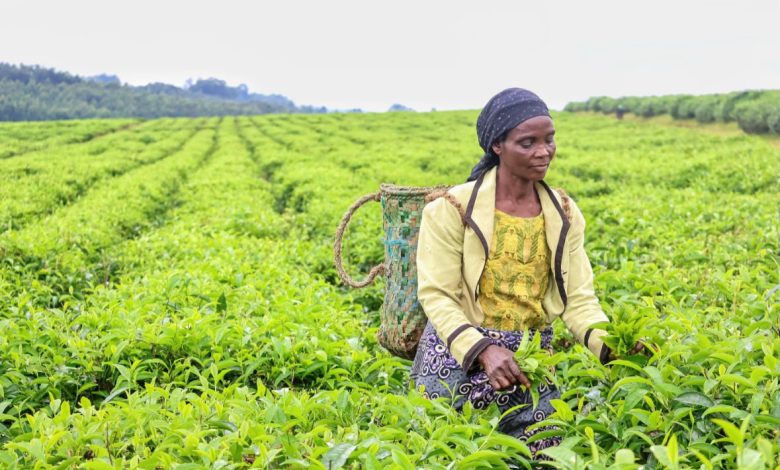
TANZANIA: EVERY morning, millions of Tanzanian women head to farms long before sunrise, planting seeds, weeding fields and harvesting crops that feed their families and local markets. Yet, despite carrying much of the country’s agricultural workload, many still own less of the land they cultivate and earn less from the work they do.
A new Gender Equality Profile for Tanzania Mainland, released by the government in partnership with UN Women and the African Development Bank (AfDB), paints a striking picture of the gap between women’s contribution and the opportunities they receive.
The report shows that women participate in farming almost as much as men, with about 20.6 million women engaged in agricultural activities compared to 20.4 million men.
Despite this near-equal participation, women own only 33 per cent of agricultural land, while men own 47 per cent.
The difference becomes even more visible when income is considered. On average, women earn about 92,882/- a month from agriculture, compared to 150,665/- earned by men.
Smaller farms also limit women’s ability to increase production, with 93 per cent of women’s plots measuring less than five acres.
Climate change adds another layer of pressure. According to the report, 90 per cent of women farmers depend on rain-fed agriculture, making them especially vulnerable when rainfall becomes unreliable.
ALSO READ: Meet the women who grow more than crops
Beyond the farm, the report highlights that women continue to face barriers in accessing productive resources, agricultural technologies and financial opportunities that could help expand their businesses and improve earnings.
Yet, the story is not only about challenges. Across Tanzania, women continue to keep farms productive, support household incomes and strengthen food security, proving that their contribution goes far beyond the boundaries of the fields they cultivate.
The report calls for greater investment in women’s access to land, agricultural finance, irrigation, market opportunities and climate-smart farming, arguing that narrowing these gaps would benefit not only women, but also families, communities and the country’s broader development goals.



Thanks for this – genuinely useful breakdown. I keep a short reference list on this topic and this one has been handy: https://sites.google.com/view/1998richclub