Breaking the silence, protecting girls from FGM
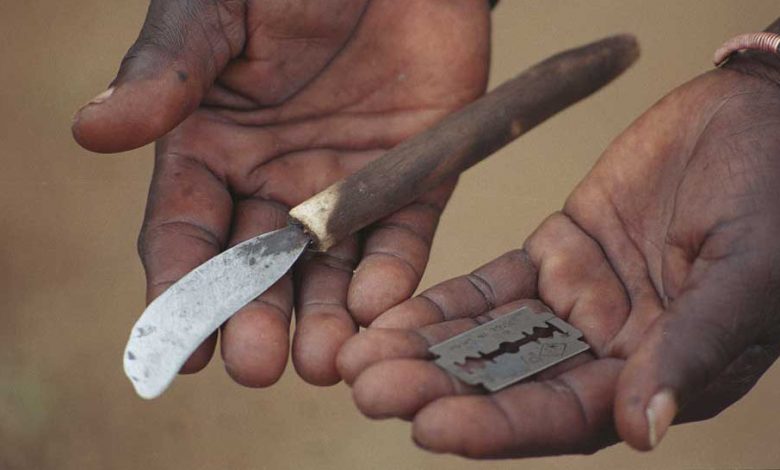
MARA: A DAUGHTER’S journey into womanhood should be marked by opportunities to learn, discover her potential and develop confidence in herself. Yet, for some girls, this important stage of life comes with the risk of Female Genital Mutilation (FGM), a harmful practice that continues to threaten the health, dignity and future of young girls.
Despite years of public education, legal interventions and community campaigns, FGM remains a concern in several parts of the country. More worrying are reports that some families are finding alternative ways of carrying out the practice, making prevention increasingly challenging.
This concern was recently raised by Rorya District Commissioner, Mr Stanslaus Mabula, who warned parents against devising new methods of performing FGM under the cover of tradition, customs and cultural expectations.
Speaking during the launch of a threeday campaign to educate communities and prevent FGM in Rorya District, Mara Region, Mr Mabula said the government would not tolerate the continuation of the practice.
He identified several wards with reported indications of FGM activities, including Burongo, Nkoyo, Kikoma, Nguribe, Mloche, Nyahongo, Kang’ombe, Nyamagaro, Nyamtinga, Baraki, Kisumwa, Tuliopo, Kigunga, Kinyenche, Nyahunga and Komuge.
The campaign brought together experts from the Ministry of Community Development, Gender, Women and Special Groups, the President’s Office – Regional Administration and Local Government (TAMISEMI), national advocates and partners from the Catholic Sisters Network Against Gender-Based Violence (CSN-AGBV).
Its timing was particularly important as children returned home for school holidays, a period when girls in communities practising FGM may face increased vulnerability.
But beyond Government warnings and enforcement, the developments in Rorya raise a critical parenting question, are parents prepared to protect their daughters even when doing so means challenging long-established cultural expectations?
According to the 2022 Tanzania Demographic and Health Survey and Malaria Indicator Survey (2022 TDHS-MIS), approximately eight per cent of women aged 15–49 in Tanzania had undergone FGM. Although this represents progress from 10 per cent in 2015/16 and 18 per cent in 1996, the figures show that the practice remains a serious concern. Regional differences are particularly significant.
Mara recorded an FGM prevalence of 28 per cent, while Manyara and Arusha recorded 43 per cent each. These figures highlight the need for prevention programmes that respond to the specific circumstances of communities where the practice remains prevalent.
The survey also offers an encouraging indication that change is possible. Approximately 98 per cent of women and 96 per cent of men said FGM should not continue. This widespread opposition provides an important foundation for parents, community leaders and policymakers to accelerate efforts towards ending the practice.
However, the relatively low prevalence among girls under 15 should not create a false sense of security. Some women undergo FGM at older ages, meaning girls who have not experienced it during childhood may still face risks later.
For many families, cultural traditions are an important part of identity and belonging. They connect generations and provide communities with a sense of shared history.
ALSO READ: Hudaina: Defying the Odds to fight FGM
However, cultural preservation should never come at the expense of a child’s health and safety. FGM involves procedures that partially or totally remove or injure female genital organs for non-medical reasons. It has no health benefits and can cause severe pain, excessive bleeding, infections, psychological trauma, sexual health complications and difficulties during childbirth.
Parents therefore have a responsibility to distinguish between positive cultural practices worth preserving and harmful traditions that expose children to danger.
This responsibility begins with communication at home. Mothers and fathers should create an environment where daughters can ask questions about their bodies, discuss cultural expectations and express concerns without fear of punishment or embarrassment.
Fathers, in particular, should become more involved in prevention efforts. Protecting girls should not be viewed as a responsibility belonging exclusively to mothers.
Men have an equally important role in challenging harmful expectations, supporting their daughters and making it clear that their love and acceptance are