Banks unlock opportunities for innovators
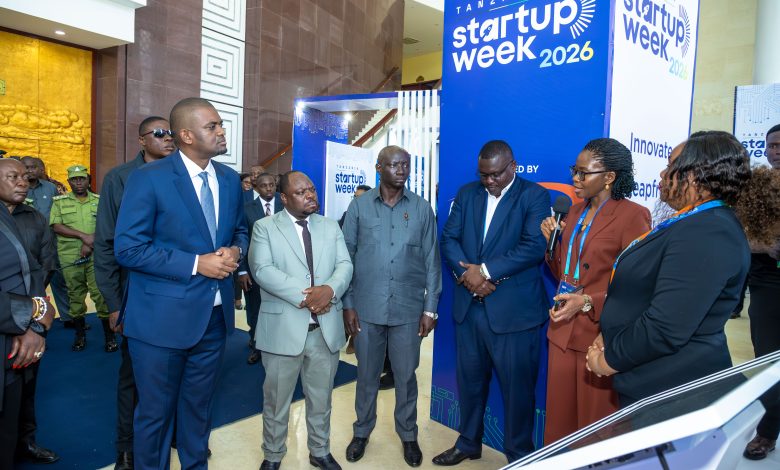
DARE ES SALAAM: THE growing collaboration between banks and startups is helping Tanzanian innovators turn technological ideas into practical business solutions, opening opportunities to access markets, capital and participate in the digital economy.
Through these partnerships, innovators have gained opportunities to integrate their systems with banking services, enabling them to develop products that help businesses manage finances, track transactions and improve operations.
Among those benefiting is Gwakisa Bill Mwaipopo, cofounder and Chief Executive Officer of XB Limited, which has developed a platform that enables businesses to access bank account information, sales records and expenditure details in one place.
The system can be integrated with accounting, business management and sales applications, reducing the challenges businesses face when using different systems to monitor their financial performance.
Mr Mwaipopo said collaboration with banks had been instrumental in advancing the company’s ambitions because financial transaction information is sensitive and requires secure systems to protect customers’ data.
“Through our partnership with NMB, my company is among those that have gained access to some of the systems used to connect services, known as Application Programming Interfaces (APIs), to further develop technology that supports businesses,” he said.
However, he said more banks needed to participate because many businesses maintained accounts with different financial institutions.
Similarly, Prosper Absalom, founder of Daraja Technology, which has developed a system to help businesses manage income and expenditure, said support from financial institutions, including NMB, was important in helping startups bring their technologies to market.
He said regulatory requirements and access to banking systems remained major challenges for startups operating in financial services, making collaboration with established institutions particularly valuable.
“As a startup, you cannot simply approach the central bank because there are many requirements you have not yet met. That is why you need companies such as NMB that can help you make progress from an idea to practical implementation with tangible results,” he said.
Mr Absalom urged the government to continue encouraging financial institutions to collaborate with innovators, giving locally developed technologies greater opportunities to grow.
The collaboration comes as Tanzania’s startup ecosystem expands, with the number of startups rising from 247 in 2020 to more than 1,300 in 2026, representing more than fivefold growth.
According to Tanzania Startup Association (TSA) Chairman Paul Makanza, the companies support approximately 20,000 direct jobs and 124,000 indirect jobs.
Speaking during Tanzania Startup Week, Mr Makanza said innovation alone was insufficient to ensure business growth, as startups also needed capital, markets and an enabling environment to expand their operations.
How NMB is supporting the vision
NMB continues to support startups through financial and technical assistance, helping innovators develop products, implement projects and establish an enabling environment for growth.
The bank was among the main sponsors of the annual Tanzania Startup Week, which brings together stakeholders from different sectors to discuss opportunities and challenges facing the startup ecosystem.
NMB Chief Executive Officer Ruth Zaipuna said financial institutions should become partners to innovators rather than limit their involvement to sponsoring activities.
“NMB Bank has allocated approximately 2bn/- this year to help startups develop products, access advisory services and integrate their technologies with banking services,” she said.
She added that the bank had invested more than 4bn/- in an Innovation Hub expected to become operational in January 2027. The facility will provide workspace alongside professional, business and technical support.
The initiative builds on the bank’s decision in 2021 to work with startups through its Sandbox testing environment, which enables innovators to test their products before integrating them with banking services.
So far, six companies have integrated their systems into the bank’s ecosystem, while another five are in the process of integrating their services with the NMB Mkononi Super App.
Ms Zaipuna said the bank aimed to onboard at least 30 startups by 2030, which would use its new core banking system to facilitate technology integration.
Banks can provide innovators with customers, capital, credibility and regulatory expertise, while startups bring innovation, speed and technologies capable of addressing challenges facing the public.
ALSO READ: TZ banks on nuclear tech to reshape its energy mix strategy
According to NMB Senior Innovation Officer Paul Shila, the six innovators that successfully integrated their systems with the bank emerged from more than 300 innovators who had tested their solutions through the Sandbox platform since 2021.
He said NMB was also collaborating with universities, including the Nelson Mandela African Institution of Science and Technology, to support agricultural technologies that could be integrated with financial services.
“We recognise that startups have the potential to create businesses, generate employment and solve problems facing citizens. Therefore, collaboration with financial institutions can contribute to the implementation of Tanzania Development Vision 2050,” he said.
Startup policy comes into focus
Vice-President Deogratius Ndejembi recently gave the Ministry of Industry and Trade six months to finalise a dedicated startup policy aimed at establishing guidelines for developing innovative businesses, facilitating access to capital and coordinating support across economic sectors.
Issuing the directive recently while opening Tanzania Startup Week in Dar es Salaam, he said the policy should distinguish startups from small and medium-sized enterprises (SMEs) and establish an environment in which innovative businesses could grow rapidly into larger companies.
Mr Ndejembi said startups had the potential to attract investment, expand economic activities and create substantial employment opportunities, but required a policy that addressed their specific needs.
“The policy should provide guidelines for the participation of venture capital and other financial institutions in the Tanzanian market because startups need an environment that helps them access seed funding, develop their products and attract investors willing to provide additional capital as their businesses grow,” he said.
Government pledges cooperation
Minister for Industry and Trade Mr Judith Kapinga said the government recognised the contribution of startups to job creation, value addition and the expansion of business activities.
She said the ministry was working to improve business registration procedures, licensing requirements and operating systems to reduce obstacles facing innovators.
TSA Executive Director Mr Zahoro Muhaji said startups had long faced challenges arising from the absence of a dedicated policy that formally recognised them and provided clear guidance on how they should be supported.