Tourism, livestock and fisheries sectors must be on guard
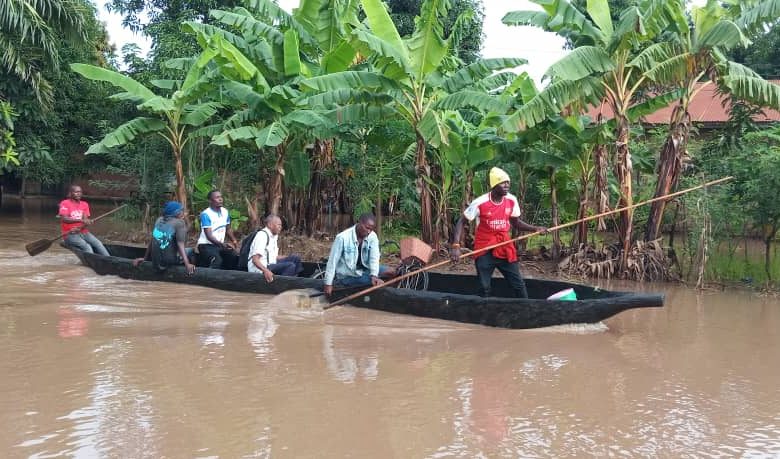
DAR ES SALAAM: AS forecasts warn of prolonged and heavy El Niño-related rainfall, sectors such as tourism, livestock and fisheries could face disruptions caused by flooding and damage to infrastructure.
While excessive rainfall, strong winds and flooding may disrupt businesses, transport and fishing activities, the rains could also present opportunities to improve water availability and pasture for productive use.
However, realising these potential benefits will depend on preparedness, access to reliable weather information and the ability of businesses and communities to adapt to changing conditions.
The Tanzania Meteorological Authority (TMA) has forecast average to above-average Vuli rains in several parts of the country, including the Lake Victoria Basin, northern coastal areas, the northeastern highlands and northern Kigoma.
The rains could continue until January 2027. Speaking to the ‘Daily News’ recently, the then Deputy Minister for Livestock and Fisheries Ng’wasi Kamani now in charge of livestock docket, urged stakeholders in the two sectors to prepare for the expected El Niño rains, which could improve water availability and support production but also bring flooding, disease outbreaks and damage to infrastructure.
Ms Kamani said the livestock and fisheries sectors faced potential risks that required early intervention to protect production and the livelihoods of people who depend on them.
“Tanzania, like the rest of the world, is on alert for El Niño rains, which are linked to major changes in global weather patterns. The fisheries sector is among those that could be affected by these changes,” she said.
According to the ministry, strong winds, flooding, rising water levels and water pollution could disrupt fishing and aquaculture activities.
To minimise the risks, the ministry has advised people working in the sectors to follow official TMA updates and strengthen their infrastructure before the heavy rains begin.
“Preparations include inspecting canoes, boats, fishing nets, fish ponds, fish cages and water systems used in fish farming. Empty fish cages should be removed from the water and stored on land to protect them from damage caused by strong winds and large waves,” Ms Kamani said.
Aquaculture farmers have also been advised to monitor water quality, particularly oxygen levels in the early morning and after several days of continuous rainfall.
Seaweed farmers and sea cucumber producers should also monitor salinity levels in seawater.
The ministry has urged fish farmers to harvest fish that have reached market size before the period of heightened risk.
They have also been advised against stocking fingerlings when forecasts indicate a likelihood of strong winds or flooding.
“Any unusual deaths of aquatic animals, signs of disease, fish escaping from cages or damage to infrastructure should be reported immediately to fisheries or aquaculture officers,” Ms Kamani said.
Fishers and aquaculture farmers have also been warned against going out to sea, onto lakes or into other water bodies when conditions are unsafe.
According to her, the livestock sector also faces challenges, as heavy rains could flood grazing areas in low-lying locations, wash away pasture on higher ground and prevent animals from accessing grazing fields, cattle dips and markets.
Although rainfall could improve water supplies, dams and livestock watering ponds may fill with silt or have their banks breached.
Stagnant water in animal pens and grazing areas could also increase the risk of livestock diseases, including footand-mouth disease in cattle.
Livestock keepers have been advised to move animals from low-lying areas to higher ground, ensure they are vaccinated and avoid grazing near gullies where animals could be swept away or trapped by floodwater.
They have also been urged to conserve fodder before the rains begin and stock up on supplementary feeds, including bran, to cover possible shortages when grazing areas become difficult to access.
Damage to roads could further disrupt the transportation of animal feed.
The ministry has also recommended strengthening fodder stores to prevent water from entering, clearing drainage channels and widening outlets to allow water to flow out of livestock ponds.
“Livestock keepers should also harvest rainwater for their animals and consider selling older livestock or animals with low productivity. The aim is to concentrate available resources on more productive animals and reduce the cost of maintaining less productive stock,” Ms Kamani said.
As part of its preparations, the ministry said it had written to the Prime Minister’s Office – Regional Administration and Local Government (PMORALG), requesting it to direct local government authorities to educate livestock keepers about the potential effects of El Niño.
The ministry has also prepared information leaflets outlining measures to protect livestock and distributed them through social media platforms, including Instagram, TikTok, YouTube and Facebook.
Awareness campaigns have also been conducted through meetings involving ministry officials, experts and livestock keepers.
The measures are intended to reduce potential losses and help livestock keepers, fishers and aquaculture farmers protect their livelihoods as the country prepares for the coming rains.
Tanzania Fishers Union (TAFU) Secretary General Jephta Machandalo said the forecast El Niño rains could disrupt fishing activities, reduce fish supplies and threaten fishermen’s livelihoods.
He said the impact could differ between marine and inland fisheries.
In marine waters, runoff from the land could increase nutrient levels, supporting the growth of food sources for fish, provided the water is not heavily polluted.
However, he warned that flooding in lakes could disrupt aquatic ecosystems and damage fish breeding grounds.
Mr Machandalo said heavy rainfall and poor weather conditions could prevent fishermen from going out to sea, reducing their catches and earnings, particularly for those who depend on fishing as their main source of income.
He added that flooding could also damage roads and other infrastructure, making it difficult to transport fish to markets.
“This could lead to losses for fishermen and disrupt the wider fisheries supply chain, affecting traders and other businesses that depend on the sector,” he said.
ALSO READ: Herders get 3.8bn/- for confiscated livestock
He also warned of the potential spread of diseases during floods, urging fishermen to maintain good hygiene and take health precautions throughout the rainy season.
Mr Machandalo said smallscale fishermen were particularly vulnerable because of their limited capacity to cope with changing weather conditions.
He encouraged them to seek alternative sources of income to reduce their dependence on fishing when conditions became unfavourable.
He said TAFU was prepared to educate fishermen and encourage fishing associations to closely monitor weather forecasts and warnings issued by TMA.
This, he said, would help them make informed decisions and protect themselves against potential risks.
The projected rains have also raised concerns about fish supplies and prices, with smallscale fishermen among those most exposed to losses when strong winds make it unsafe to go to sea.
At Ferry Fish Market in Dar es Salaam, fish supplies during the El Niño period could fluctuate from day to day, with the effects likely to be felt not only by traders but also by consumers who depend on regular deliveries.
A fisheries officer at the market, Amina Mgaya, said fishermen relied on forecasts from TMA to decide when to venture out.
She said small boats were particularly vulnerable to strong winds, while operators of larger vessels were also advised to avoid travelling far offshore when weather conditions deteriorated.
The resulting interruptions could affect the entire supply chain, reducing fishermen’s earnings, limiting traders’ stocks and making fish less affordable for consumers.
Ms Mgaya advised fishermen to save money during periods of good catches and consider alternative income generating activities, including seaweed farming and processing seaweed products, when fishing became difficult.
She also encouraged households to preserve fish, particularly sardines, to help manage possible shortages.
“Where sardines are available, consumers can dry and store them for use when fishermen are unable to go to sea. Fish can also be properly processed and frozen to extend their shelf life,” she said.
For traders, however, reduced catches could quickly translate into higher prices. Mohammed Ali Juma, Secretary of Zone 8B at Ferry Fish Market and a member of the Fisheries Collection and Marketing Union, said heavy rainfall and changing marine conditions could complicate fishing activities, although the extent to which the forecast El Niño conditions would affect supplies remained uncertain.
“Our business depends on the availability of fish. When supplies are plentiful, prices fall, but when fish become scarce, prices rise because consumer demand remains,” Mr Juma said.
The impact on small-scale fishermen could be particularly immediate because their daily earnings depend on the number of fish they catch and whether conditions allow them to operate safely.
A fisherman operating at Ferry Fish Market, Mtoka Musa, said weather forecasts helped them decide when to suspend fishing or remain close enough to land to return quickly if conditions worsened.
“When we are informed that sea conditions will be dangerous, we do not go fishing. If conditions allow, we may operate closer to the shore so that we can return to land quickly if the weather deteriorates,” he said.
The projected effects of El Niño rains could also affect small-scale businesses.
For fish traders such as Salome Kisiju, who operates in Gongolamboto, Dar es Salaam, changing weather conditions pose a potential threat to her livelihood.
Ms Kisiju relies on buying raw fish from Ferry Fish Market, frying them and selling them at retail prices to earn a living.
“I rely on this business every day. I come to Ferry Fish Market in the morning to collect several buckets of sardines, then return home to fry them and sell them. However, my profit has been declining because the price of cooking oil has also gone up,” Ms Kisiju said.
She added: “If these rains cause serious damage, such as flooding, I may have to switch to another business, although, to be honest, I have grown accustomed to this one.” Ms Kisiju said.
She said weather-related challenges were not new to her, explaining that at certain times of the year she also sold charcoal to supplement her income.
Tourism sector
The fisheries and livestock sectors are not the only ones that could be affected by potential flooding.
Another industry that may face challenges is tourism and hospitality.
When contacted by the ‘Daily News’, the Ministry of Tourism and Natural Resources, through its Government Communication Unit, said a special committee had been formed to assess the potential impact of the projected El Niño rains on the tourism sector.
The ministry said a comprehensive assessment would be conducted, after which appropriate measures would be identified and implemented to mitigate potential damage, safeguard the country’s tourism sector and minimise disruptions to tourism-related revenue.
Commenting on the potential impact of El Niño rains and flooding on tourism, tour operator Joseph Lyatuu said the conditions could present several challenges, both direct and indirect, affecting transport infrastructure, wildlife viewing, accommodation facilities and operating costs.
One of the main concerns, he said, was potential damage to transport infrastructure within national parks.
“Dust roads in parks such as Serengeti, Tarangire and Ruaha can become heavily waterlogged and muddy or be rendered impassable due to rising water levels and flash floods in low-lying areas and along rivers. This could make it difficult for tour operators to transport visitors around the parks,” Mr Lyatuu said.
He also said small airstrips within the parks, particularly those with earth surfaces, could become waterlogged, preventing light aircraft carrying tourists from landing or taking off.
This could result in flight delays or cancellations, disrupting visitors’ travel plans. Another challenge could be changes in wildlife behaviour.
Mr Lyatuu said when water became widely available across different areas, animals could spread over larger territories, making wildlife viewing more difficult than during the dry season, when animals tended to congregate around the few remaining water sources.
Furthermore, Mr Lyatuu said lodges and tourist camps located near rivers could be at risk of flooding.
Such incidents could damage property and force operators to evacuate guests at short notice to ensure their safety. He added that heavy rains and flooding could also increase operating costs.
“Tour vehicles might consume more fuel when forced to use longer routes or navigate muddy terrain. Frequent vehicle maintenance and the cost of relocating guests could also place additional financial pressure on tourism businesses,” he said.
On preparations to mitigate the potential challenges, Mr Lyatuu highlighted the importance of preparing vehicles and drivers to ensure that tourism activities could continue as safely as possible.
“Vehicles used for safaris should be robust and suitable for challenging terrain, including four-wheel-drive vehicles capable of navigating muddy roads. They should also undergo thorough mechanical inspections before each safari to ensure they are in good working condition,” he said.
He said preparations should also include fitting vehicles with suitable mud-terrain tyres and carrying winches or other recovery equipment to help free vehicles that become stuck.
In addition, he emphasised the importance of reliable communication systems.
Safari vehicles should be equipped with very high frequency (VHF) radios and GPS devices or satellite trackers to enable drivers to report emergencies promptly whenever a vehicle becomes stuck or requires assistance.
“These systems can improve coordination between drivers and support teams, facilitate timely rescue operations and help reduce risks to tourists during adverse weather conditions,” he said.