Tanzania’s AFCON 2027 role brings responsibility, opportunity

DAR ES SALAAM: TANZANIA’S assumption of the coordination role for preparations for the 2027 Africa Cup of Nations (AFCON) marks an important milestone in the country’s ambition to establish itself as a leading sporting destination on the African continent.
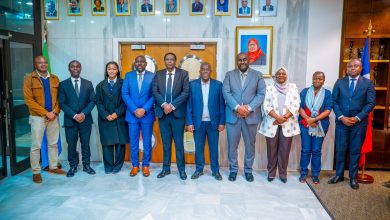
The handover of secretariat offices from Kenya to Dar es Salaam by the Confederation of African Football (CAF) is an administrative transition.
It places Tanzania at the centre of one of Africa’s biggest sporting events and provides an opportunity to demonstrate its organisational capacity, infrastructure readiness and commitment to football development.
With Tanzania, Kenya and Uganda jointly preparing to host the 24-team tournament from June 19 to July 17, 2027, the stakes are high.
For the three East African neighbours, AFCON 2027 is not simply about staging a football competition.
It is an opportunity to demonstrate that the region can successfully organise an event of continental significance, attract international attention and create lasting benefits beyond the final whistle.
Tanzania’s new coordination responsibility comes with considerable expectations.
Dar es Salaam is expected to serve as the operational coordination centre, facilitating communication, planning and cooperation among the three host nations, CAF and other tournament stakeholders.
This places Tanzania in an important position to provide leadership in regional football administration and ensure that preparations remain aligned with the tournament’s requirements.
However, leadership in such a major undertaking must be measured by results, not simply the location of offices or the number of meetings held.
The real test will be the ability to coordinate institutions, resolve operational challenges, maintain effective communication and ensure that all three countries work towards a common objective.
AFCON is a complex tournament requiring extensive preparation in stadium management, accommodation, transportation, security, medical services, broadcasting, training facilities and other logistical arrangements.
Any shortcomings in these areas could affect the experience of participating teams, officials, supporters and international visitors.
Tanzania must recognise that its reputation will be closely linked to the success of the entire regional project. One encouraging development is the progress being made in improving sporting infrastructure.
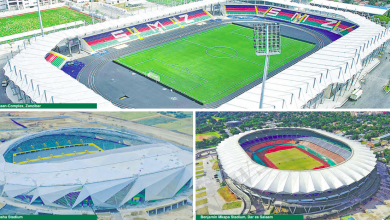
The completion of renovations at the 60,000-capacity Benjamin Mkapa Stadium in Dar es Salaam is an important step towards ensuring that the country has facilities capable of hosting major international football events.
Equally significant are efforts to develop training pitches and supporting facilities, alongside the construction of the new Samia Suluhu Hassan Stadium in Arusha.
These investments demonstrate the potential of AFCON 2027 to accelerate the expansion and modernisation of the country’s sporting infrastructure.
Nevertheless, stadium construction and renovation alone cannot guarantee tournament readiness. Modern football competitions require comprehensive infrastructure extending beyond the main playing venues.
ALSO READ: AFCON 2027: Tanzania’s three-city advantage
Training facilities must meet international standards, transport systems must efficiently connect airports, hotels and stadiums, while accommodation facilities must be capable of meeting the demands of visiting teams, supporters and tournament officials.
Sports medicine; emergency response services, security arrangements and qualified technical personnel are equally important.
The government and football authorities must therefore ensure that every component receives adequate attention, supported by clear timelines, effective supervision and accountability.
Beyond infrastructure, AFCON 2027 offers Tanzania an exceptional opportunity to strengthen its football development agenda.
Hosting a major continental tournament should not be viewed merely as an opportunity to welcome Africa’s leading national teams.
It should also provide a platform for raising the standards of domestic football.
The country must use the occasion to strengthen youth development programmes, improve coaching standards, invest in refereeing and enhance the quality of domestic competitions.
Young Tanzanian footballers should be among the biggest beneficiaries of the preparations. Improved training facilities and technical infrastructure should not become resources reserved for visiting teams during the tournament.
They should serve as long-term assets for local football development. Sustainable progress depends on consistent investment in grassroots structures, talent identification, coaching and professional development.
Tanzania’s football authorities should also consider how the tournament will contribute to improving the competitiveness of the national team, Taifa Stars.
The excitement generated by hosting AFCON should translate into greater investment in the team’s technical preparations and improvements across the domestic football environment. However, the benefits of AFCON 2027 will extend far beyond football.
The anticipated partnership between the Tanzania Tourist Board (TTB) and CAF, which is expected to make the tourism institution an official tournament partner, presents another important opportunity.
Football has become one of the world’s most powerful platforms for promoting destinations, cultures and national identities.
Millions of supporters follow AFCON through television, digital platforms and international media channels, creating enormous promotional opportunities for host countries.
Tanzania must use this exposure to showcase its internationally recognised attractions, including the Serengeti, Mount Kilimanjaro, Zanzibar and the Ngorongoro Conservation Area.
The tournament will also provide an opportunity to promote the country’s cultural diversity, hospitality, cuisine and investment potential.
The objective should be to ensure that visitors who come for football also discover reasons to return for leisure, business and other tourism experiences.
Such an approach would transform AFCON from a temporary sporting event into a broader tourism and economic development opportunity.
The potential economic benefits extend to hotels, restaurants, transport operators, local businesses, entertainment providers and small-scale entrepreneurs.
However, these benefits will not materialise automatically. They require deliberate planning and coordination between government institutions, the private sector and local communities.
Tanzania must ensure that domestic businesses are adequately prepared to participate in the opportunities generated by the tournament.
At the regional level, the joint hosting arrangement involving Tanzania, Kenya and Uganda represents an important opportunity to strengthen East African integration through sport.
The three countries share geographical, cultural and historical connections, making football a natural platform for bringing their people together.
A successful tournament will strengthen regional cooperation, deepen sporting relationships and demonstrate the advantages of working together on major development projects.
It could also create a foundation for future joint sporting initiatives and regional investment in football infrastructure. Nevertheless, joint hosting presents its own coordination challenges.
Differences in administrative systems, infrastructure readiness, operational procedures and institutional capacity must be addressed through effective communication and a clear allocation of responsibilities.
This is where Tanzania’s new coordination role becomes particularly important.
Dar es Salaam must provide an efficient operational environment that facilitates cooperation rather than creates additional administrative complications.
The three host nations must operate as genuine partners with a shared vision, recognising that the success of one country contributes to the reputation of the entire region.
CAF, on its part, will expect the hosts to meet established organisational and technical standards.
Tanzania must maintain close cooperation with CAF while ensuring that local institutions have the capacity and resources to fulfil their responsibilities.
Transparency and regular public communication are also essential so that citizens understand the progress being made and the challenges that still need to be addressed.
As the countdown to June 2027 continues, the country must move from preparation announcements to measurable implementation.
Every infrastructure project must be completed within the required timeframe, operational arrangements tested and potential weaknesses identified early enough for corrective action.
The government, Tanzania Football Federation and other stakeholders must also ensure that the coordination structure remains efficient, with clearly defined responsibilities and effective oversight.
Ultimately, Tanzania’s assumption of the AFCON 2027 coordination role is both an honour and a test of national capacity.
The country has an opportunity to demonstrate that it can provide effective leadership in organising a major continental sporting event while contributing to the wider development of East African football.
The real measure of success, however, will not simply be the successful hosting of matches between June and July 2027.
It will be the quality of infrastructure left behind, the opportunities created for young footballers, the growth of the tourism sector, the strength of regional partnerships and the lasting improvements to the country’s sporting environment.
Tanzania must look beyond the tournament and concentrate on the legacy it wants to create. AFCON 2027 offers East Africa a continental stage.
With Tanzania now assuming a central coordination role, the responsibility is to ensure that the region delivers a tournament worthy of its football passion and potential.
The countdown has begun. Now, the real work must match the scale of the opportunity.