UK grants 14bn/- for refugee food assistance

DAR ES SALAAM: THE United Kingdom government has announced a £4 million (approximately 14bn/-) injection to the World Food Programme (WFP) to bolster food and nutrition assistance for refugees stationed in Tanzania.
This latest funding builds on years of bilateral cooperation and reaffirms the UK’s commitment to safeguarding the wellbeing of displaced populations alongside WFP partners. The allocation comes in addition to Britain’s 2025 global contribution to the WFP, which totalled over £325 million (1.07tril/-).
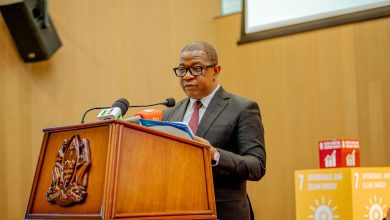
Speaking on the importance of the grant, Development Director at the British High Commission in Dar es Salaam, Ms Anna Wilson, said that the support extends beyond basic sustenance.
“We recognise the importance of food and nutrition assistance for many refugee families. Food assistance is not simply about meals. It is about dignity, protection and the ability to live in safety while far from home,” Ms Wilson said.
ALSO READ: VP calls for moral guidance
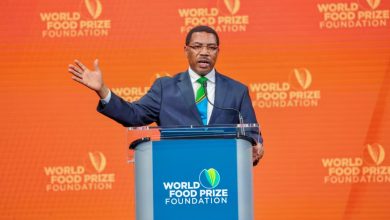
WFP Country Director, Mr Ronald Tran Ba Huy, noted that the UK’s solidarity arrives at a critical juncture as humanitarian resources face global strain. He asserted that the funds would provide a tangible lifeline for families relying on aid to meet their most basic needs.
“This contribution helps sustain critical assistance that enables families to cope, maintain dignity and focus on their future,” Mr Tran Ba Huy said.
The funding is specifically targeted at mitigating food insecurity for vulnerable groups, ensuring that women and children continue to access the nutrition required for long-term resilience.
Tanzania has a long-standing history of hosting refugees from neighbouring countries, primarily Burundi and the Democratic Republic of the Congo (DRC). As of early 2026, the country remains host to over 200,000 refugees and asylum seekers, the majority of whom reside in the Nyarugusu and Nduta camps in the Kigoma region.
These populations are almost entirely dependent on humanitarian aid for their basic needs. The WFP provides life-saving food assistance, which often takes the form of monthly food rations (maize meal, pulses, vegetable oil and salt) or cash-based transfers that allow refugees to purchase food in local markets.
Humanitarian agencies in Tanzania have frequently faced funding shortfalls in recent years, leading to ration cuts. When resources are stretched, the WFP is sometimes forced to provide only 50 per cent to 70 per cent of the recommended daily caloric intake.
Proper nutrition during the first 1,000 days (from conception to a child’s second birthday) is critical for preventing stunting and ensuring longterm cognitive and physical development thus they target women and children.