TARURA upgrades road infrastructure in avocados, tea, potatoes, wheat producing areas
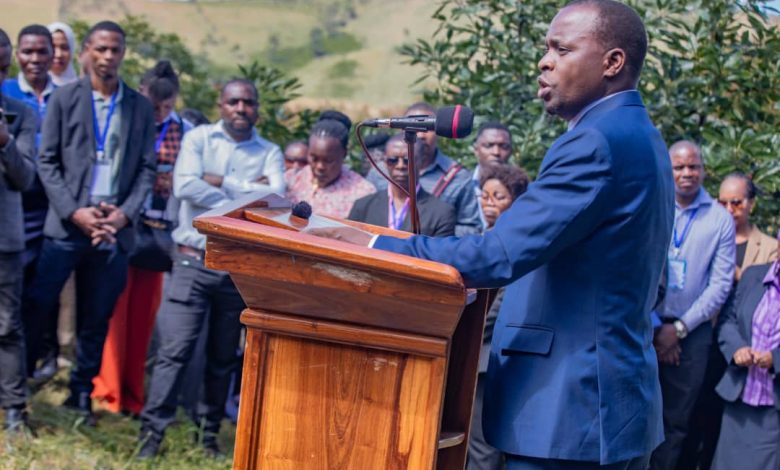
NJOMBE: THE Tanzanian government, through the Tanzania Rural Road Agency (TARURA) in Njombe Region, has intensified road infrastructure development, a move credited with accelerating economic and social transformation in the region.
Speaking to media outlets on the implementation of development projects in Njombe, the government spokesperson and Permanent Secretary in the Ministry of Information, Culture, Arts and Sports, Gerson Msigwa, said TARURA manages a road network stretching 5,208.04 kilometres across the region.
He said the network includes 95.51 kilometres of tarmac roads, 2,097.40 kilometres of gravel roads and 3,015.13 kilometres of earth roads.
Mr Msigwa noted that about 70.96 per cent of the roads, equivalent to 3,688.59 kilometres, are currently in good condition and passable throughout the year, while 29.04 per cent face challenges, especially during the rainy season.
He said TARURA’s priorities in the region include maintenance of existing roads, construction of bridges and river-crossing infrastructure such as concrete strips, opening new roads to underserved villages and wards, as well as upgrading gravel and tarmac roads.
ALSO READ: Belgian carrier’s direct flights to KIA, a boost to Tanzania’s tourism, trade ties with Europe
“We are also opening new roads in strategic crop-producing areas for avocadoes, tea, potatoes and wheat to improve productivity and connect farmers to markets,” he said.
According to Mr Msigwa, the TARURA budget for Njombe Region increased significantly during the Sixth Phase Government under President Samia Suluhu Hassan, rising from an average of 8.44bn/- annually between 2017 and 2021 to 21.07bn/- per year between 2021 and 2026, equivalent to a 149.64 per cent increase.
The increased funding has enabled major improvements in the road sector, with the length of tarmac roads rising from 38.71 kilometres in 2020 to 95.51 kilometres in 2026.
Gravel roads have also expanded from 1,255.62 kilometres to 2,097.40 kilometres, while earth roads declined from 3,913.71 kilometres to 3,015.13 kilometres, reflecting ongoing upgrades.
In bridge and transport infrastructure, the number of bridges increased from 352 to 386, culverts from 2,535 to 2,962 and streetlights from 27 to 365.
Other completed projects include road opening works along the shores of Lake Nyasa in Ludewa District, linking Igagala-Lugenge (Usalule-Nole), Utengule-Wanging’ombe, as well as construction of 5.1 kilometres of tarmac roads in Njombe Municipality and the 6.7-kilometre Ukomola-Ipwani road.
More than 46 kilometres of new roads have also been opened across the region.
Mr Msigwa said the projects have created employment opportunities for youth and women while improving access to healthcare, education, markets and industrial areas.
He urged residents of Njombe to protect the infrastructure to ensure it benefits both current and future generations.
“The government under President Samia Suluhu Hassan will continue strengthening TARURA through increased funding to ensure roads remain passable throughout the year, empower farmers and boost the national economy,” he said.