Turn conference success into lasting economic gains
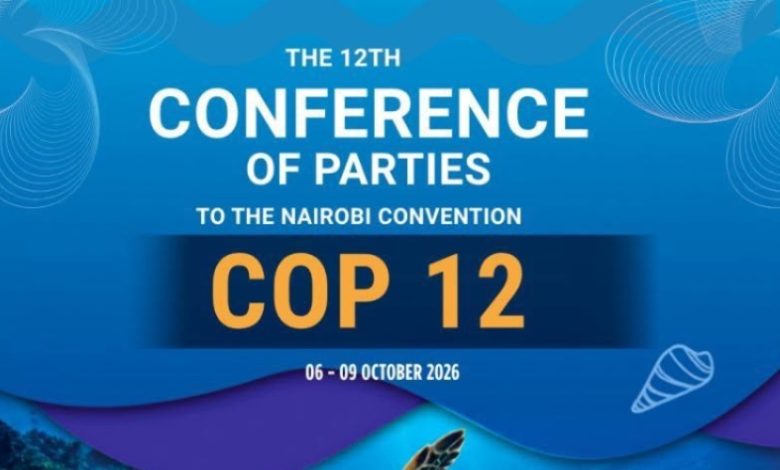
DAR ES SALAAM: TANZANIA must turn the success of the recently concluded Inter-Parliamentary Union (IPU) Assembly in Arusha and the 12th Conference of the Parties (COP12) to the Nairobi Convention in Dar es Salaam into lasting economic opportunities.
While the two events generated immediate business for local enterprises, their greatest value lies in the tourism, investment, trade and employment opportunities they can create long after delegates have departed.
The conferences attracted approximately 3,500 participants, boosting demand for hotels, restaurants, transport operators, traders, artists and other service providers.
This spending injected money into the local economy and brought foreign exchange into the country.
Tanzania should treat these gatherings as a springboard for strengthening its position in the meetings, incentives, conferences and exhibitions (MICE) industry.
The country’s natural attractions, cultural heritage and hospitality provide a strong foundation for attracting international conferences, while encouraging delegates to extend their stays for leisure tourism.
Achieving this ambition requires investment in modern conference facilities, quality accommodation, reliable transport and efficient services.
The planned Mount Kilimanjaro International Convention Centre could significantly strengthen the country’s capacity to host major international gatherings.
Its development should be complemented by greater private sector investment in hotels and other supporting infrastructure.
Equally important is ensuring that small and medium-sized enterprises benefit from conference tourism.
Local suppliers, tour operators, food producers, transport providers and creative businesses should be supported to meet international standards and participate in supply chains.
This would spread economic gains beyond major hotels and conference organisers, creating jobs and strengthening domestic businesses.
ALSO READ: COP12 advances marine conservation agenda
Tanzania must also capitalise on the international networks established during the conferences. Government institutions, investment promotion agencies, tourism authorities and business associations should follow up with prospective investors, international partners and conference organisers to turn initial contacts into concrete projects, commercial partnerships and repeat events.
COP12 offers additional opportunities to mobilise green financing, support coastal conservation and develop credible carbon-market initiatives.
These efforts should combine environmental protection with sustainable livelihoods, ensuring that coastal communities share in the benefits.
These priorities align with the ambitions of Dira 2050, which recognises tourism as an important driver of economic growth, employment and foreign-exchange earnings.
Realising that potential requires coordinated government action, private-sector participation and consistent implementation.
Ultimately, the success of international conferences should not be measured by delegate numbers alone, but by the investments secured, jobs created, businesses strengthened and partnerships sustained.
Tanzania has demonstrated its capacity to host major international events.
The next task is to convert that achievement into a lasting economic dividend.