

TOWARDS TANZANIA 2050: The role of the National Commission for UNESCO in building future skills
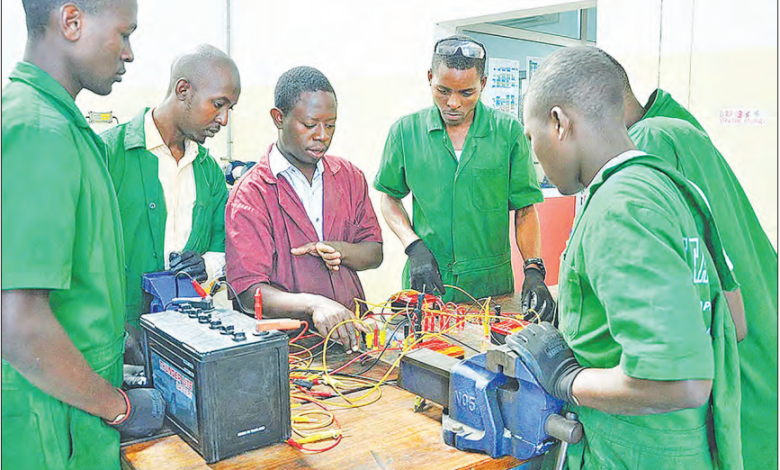
DAR ES SALAAM: AS Tanzania looks towards 2050, building a modern, knowledge-based economy founded on science, technology, innovation and a highly skilled workforce will require deliberate and sustained investment in people.
The country’s longterm development cannot be separated from its ability to prepare citizens who can acquire knowledge, develop practical skills, embrace innovation, use technology effectively and adapt to the changing demands of the world of work.
The pace of technological change is transforming societies and economies across the world. Digital technologies, automation and the emergence of Artificial Intelligence (AI) are changing how people work, learn and produce. At the same time, labour markets are demanding new combinations of technical, digital and interpersonal skills. For Tanzania, these developments present both opportunities and challenges.
The country must ensure that its education and training systems remain relevant to the changing economy and prepare citizens not only for today’s jobs, but also for emerging occupations and opportunities. It is in this context that Technical and Vocational Education and Training (TVET) and Future Skills become increasingly important in Tanzania’s preparations for 2050.
TVET provides practical knowledge, skills and competencies that can enable young people and adults to access employment, create their own employment opportunities, engage in productive activities and respond to changing labour market needs.
THE NATIONAL COMMISSION FOR UNESCO IN TANZANIA’S JOURNEY TO 2050
The Tanzania National Commission for UNESCO has an important role in connecting the country with UNESCO’s work in education, science, culture, communication and information. The Commission coordinates Tanzania’s participation in UNESCO programmes, meetings, conferences, research initiatives and international platforms.
Through this engagement, Tanzania has opportunities to exchange knowledge, experiences and perspectives with other countries and international stakeholders on issues that are important to national development. However, the role of the Commission goes beyond coordinating participation in international meetings and forums.
Working together with relevant Ministries, Departments, Agencies, institutions and other stakeholders, the Commission has a responsibility to coordinate, assess and monitor the implementation of UNESCO conventions, recommendations and programmes relevant to Tanzania. This responsibility is important because it helps connect Tanzania’s engagement and commitments within UNESCO with national priorities and development needs.
It also provides a framework through which relevant stakeholders can follow progress, identify challenges and draw lessons from international experience. In this regard, the Commission serves as an important link between international knowledge, standards and experience and national development priorities. Its role is to help ensure that Tanzania’s engagement with UNESCO contributes to national development rather than remaining limited to participation at the international level.
UNESCO AND THE DEVELOPMENT OF FUTURE SKILLS
In the area of education and skills development, an important UNESCO instrument is the recommendation concerning Technical and Vocational Education and Training (TVET), 2015, adopted by the UNESCO General Conference in 2015.
The recommendation emphasises the importance of strengthening TVET as part of lifelong learning. It recognises the contribution of TVET to preparing people for the world of work, employment and decent work, inclusive and sustainable economic growth, social equity and competitiveness.
ALSO READ: Devolution key to Vision 2050
For Tanzania, this perspective is particularly relevant as the country works to ensure that education and training respond to technological change and the evolving needs of the labour market. The development of skills can no longer be viewed as a one-time process that ends when a person completes formal education.
In a rapidly changing economy, people need opportunities to acquire new knowledge, update their skills and adapt throughout their working lives. This makes lifelong learning an important part of the future skills agenda. It also calls for closer links between education and training institutions, employers, industry, policymakers and other stakeholders so that training responds to real and emerging needs.
Within this context, the National Commission plays its coordinating role by facilitating Tanzania’s engagement with UNESCO processes, supporting stakeholder participation and following up on relevant UNESCO education agendas and instruments. Through UNESCO platforms and networks, Tanzania can access research, policy discussions, international experience and emerging approaches to education and skills development. Such knowledge can support national stakeholders in considering how education and training systems can respond to Tanzania’s own development priorities.
TVET IN A CHANGING WORLD
The 21st century has brought significant changes to the way people work, learn and produce. Digital technologies, Artificial Intelligence, robotics and new production systems are creating new opportunities while also changing existing occupations. As a result, education today must prepare citizens for more than technical knowledge alone. Learners need critical thinking, problemsolving skills, creativity, communication, teamwork, digital literacy and the ability to continue learning throughout their lives.
Modern TVET therefore needs to combine practical and technical competencies with these broader skills. A graduate should be able not only to perform a specific technical task, but also to adapt when technology changes, identify opportunities, solve problems and contribute to innovation and productivity.
For Tanzania, strengthening TVET in this way is an important investment in human capital and in the future competitiveness of the economy. The country’s engagement with UNESCO also creates opportunities to follow international developments in areas that are increasingly shaping the future of work and economic development.
These include Artificial Intelligence, digital technologies, robotics, the green economy, the blue economy, renewable energy, science, technology and innovation. The role of the National Commission is particularly relevant in facilitating this connection between international developments and national priorities. By participating in UNESCO processes and sharing relevant knowledge with stakeholders, the Commission helps create opportunities for Tanzania to learn from international experience while also contributing its own perspectives to global discussions.
TVET, THE 4Rs AND TANZANIA’S DEVELOPMENT AGENDA
The development of TVET and Future Skills also complements the 4Rs philosophy of Her Excellency President Dr Samia Suluhu Hassan. Curriculum reforms that align education and training with current and future labour market needs reflect Reforms. Investment in technical education and skills development contributes to Rebuilding the country’s capacity to produce skilled professionals, technicians, innovators and entrepreneurs.
In an economy and society facing rapid technological and economic change, equipping citizens with relevant and adaptable skills strengthens resilience. At the same time, expanding opportunities for education and skills development among different groups contributes to reconciliation and inclusive development.
ALSO READ: Govt pledges stronger devolution for Vision 2050
These priorities are consistent with Government efforts to strengthen education and skills development, including improving curricula to respond to developments in science, technology and innovation, strengthening technical and vocational training institutions, and increasing the use of technology in education.
Within this broader national effort, the National Commission contributes through its role in coordinating Tanzania’s engagement with UNESCO, facilitating national and international cooperation, and following up on relevant UNESCO agendas and instruments.
The Commission’s role is therefore complementary to that of institutions directly responsible for education and vocational training. Its contribution lies in strengthening Tanzania’s engagement with UNESCO and helping to connect national stakeholders with international knowledge, experience, partnerships and opportunities that can support national development.
TANZANIA 2050 STARTS WITH THE PEOPLE OF TODAY
Tanzania of 2050 will need more than infrastructure and advanced technology. It will need people with knowledge, practical skills, creativity and the ability to use technology to increase productivity, solve problems, create economic opportunities and continue learning throughout their lives. Investment in TVET and Future Skills should therefore be viewed not simply as an investment in employment, but as an investment in human capital and in the long-term prosperity and competitiveness of the nation.
As Tanzania moves towards 2050, the Tanzania National Commission for UNESCO will continue to fulfil its role of coordinating, assessing and monitoring the implementation of relevant UNESCO conventions, recommendations and programmes, while coordinating the country’s participation in UNESCO’s work and international platforms.
Through this mandate, the Commission helps connect Tanzania with international knowledge, experience and opportunities that can contribute to the development of education, science, technology, culture, communication and information.
The significance of this role lies in ensuring that Tanzania’s relationship with UNESCO contributes to national priorities. International cooperation becomes meaningful when knowledge, experience and opportunities gained through it can support national efforts to improve people’s lives and strengthen the country’s development capacity.
As Tanzania prepares for 2050, success will therefore depend not only on how effectively the country adopts new technologies, but also on how effectively its people are prepared to use those technologies creatively, responsibly and productively.
This is why TVET, Future Skills and lifelong learning deserve continued attention. They provide an important foundation for preparing citizens who can adapt to change, take advantage of emerging opportunities and contribute meaningfully to national development. Ultimately, Tanzania 2050 will be built by the people of today. Investing in knowledge, skills, innovation and lifelong learning is therefore an investment in the Tanzania we aspire to build tomorrow.
The Tanzania National Commission for UNESCO will continue to play its part in this journey by strengthening the country’s engagement with UNESCO, supporting the implementation of relevant UNESCO agendas and helping to connect Tanzania with the global knowledge community for the benefit of present and future generations.
This article was written by Julitha August Mlay, Acting Head of the Public Relations and Communication Unit, Tanzania National Commission for UNESCO, and edited by Professor Hamisi Masanja Malebo, Executive Secretary, Tanzania National Commission for UNESCO.



I couldn’t resist commenting. Very well written!
Also visit my homepage: zidane
In today’s digital age, video chat has revolutionized the way
we connect with others. Specifically, video chat for adults, https://www.perros.com/foros/general/accesorios-para-perros/—–x-xxx—-www-xnxx-com-porn-xnx-sex-videos-pornhub-xhamster.
Feel free to visit my blog post … p1114002