Hospitals put emergency plans in motion
DAR ES SALAAM: THE ability of hospitals and health centres to maintain essential services during heavy rainfall is emerging as a critical part of Tanzania’s disaster preparedness as the country braces for El Niño rains expected from this month.
Across the country, health facilities are strengthening emergency arrangements to ensure continuity of care amid possible flooding, power and water disruptions, disease outbreaks and difficulties accessing affected communities.
The preparations form part of a wider national response plan estimated at 730bn/-, with 10bn/- allocated in the 2026/27 financial year for El Niñorelated interventions across various sectors.
The plan follows a strong El Niño forecast issued by the Tanzania Meteorological Authority (TMA) in August this year, warning that heavy rainfall could increase the risk of floods, landslides, disease outbreaks among humans and animals and other disasters.
In the health sector, the government plans to assess the preparedness of health facilities, focusing on the availability of medicines, medical equipment and other essential supplies needed to manage diseases that could become more prevalent during the rainy season.
Health authorities are also prioritising public awareness, emergency communication and the ability of facilities to respond when roads become impassable or patients struggle to access medical services.
The challenge is to ensure that essential healthcare continues even when heavy rainfall disrupts normal operations.
Dar es Salaam Regional Disaster Coordinator Masalida Njashi said preparedness goes beyond having adequate medicines and medical equipment, noting that hospitals must also consider the availability of staff, patient transportation and the continuity of services when roads and other infrastructure are affected.
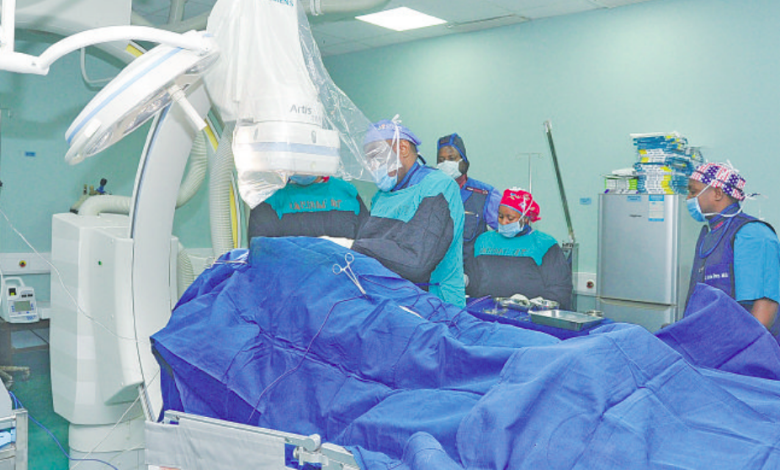
At the Jakaya Kikwete Cardiac Institute (JKCI), preparations include measures aimed at reducing unnecessary hospital visits and improving access to treatment during difficult weather conditions.
JKCI Executive Director Dr Peter Kisenge told the ‘Daily News’ that the institute had established a committee to coordinate preparations and produced reports outlining the measures being considered.
He said patients with chronic conditions would be provided with medicines sufficient for three months to minimise the need for frequent hospital visits during the rainy season.
“The arrangement is intended to help patients maintain their treatment schedules even when heavy rainfall makes travelling to the institute difficult. For people who require regular medication, interruptions in treatment can create additional health risks, particularly when access to health services becomes unreliable,” Dr Kisenge said.
He added that the institute was also considering the use of remote patient monitoring devices and technology that would enable some patients to be monitored without having to make unnecessary trips to the hospital.
Such arrangements could help healthcare workers maintain contact with patients requiring continued medical attention while reducing pressure on physical hospital services during periods of disruption. Transport is another key area of concern.
Dr Kisenge said JKCI was considering the use of special ambulances and motorcycle deliveries of medicines in areas where flooding could make roads difficult to navigate.
The institute is also exploring collaboration with the police to facilitate helicopter evacuation of emergency patients when ordinary transport becomes impossible.
Dr Kisenge said the institute’s proximity to Muhimbili University of Health and Allied Sciences (MUHAS), which has a suitable landing field, was among the factors considered in exploring possible emergency arrangements.
He added that some doctors had accommodation close to the hospital, enabling them to remain available when heavy rainfall affected movement around the city.
The institute is also examining the possibility of using vacant government houses to accommodate patients who need to remain close to the hospital.
Dr Kisenge cited children requiring urgent operations as an example of patients who could benefit from staying near the facility rather than travelling long distances during periods of heavy rainfall.
He said public health education was already underway, with special programmes planned to inform communities about precautions to take during the rainy season.
At Mwananyamala Regional Referral Hospital, preparations have focused on infrastructure, the availability of medicines and equipment, and the readiness of healthcare workers to manage emergencies.
Head of the hospital’s Emergency and Accident Department, Dr August Mtui, said the facility was prepared to provide emergency care to victims of floods and other disasters, as well as manage disease outbreaks that could occur during the rainy season.
He said healthcare workers and essential medical supplies were part of the hospital’s preparations to respond to a possible increase in patients requiring urgent attention.
Dr Mtui also urged residents to prepare at household level by maintaining adequate food supplies, keeping their surroundings clean and clearing drainage channels around their homes.
He advised residents to seek medical attention as soon as symptoms appeared rather than waiting until their conditions became serious.
At Amana Regional Referral Hospital, Dr Omary Mahiza has been educating residents on protecting their health during the rainy season, with particular attention to children.
Children require special attention during emergencies because their health can be affected when access to clean water, sanitation and medical care is disrupted.
Public education is therefore essential in helping parents and caregivers understand the precautions needed to protect them.
In Ubungo Municipality, Amani Health Centre has referral arrangements with larger hospitals, including Muhimbili National Hospital, to facilitate timely treatment for patients requiring services beyond the centre’s capacity.
Maintaining communication between healthcare facilities and establishing clear referral procedures can help prevent delays when patients require specialised treatment.
Such arrangements become particularly important when flooding affects transport routes or increases pressure on nearby health services.
In Kinondoni Municipality, preparedness efforts include community communication, identification of highrisk areas and cooperation between local leaders and technical teams.
Kinondoni District Medical Officer Dr Peter Nsanya said the municipality was involving street executives and community leaders in efforts to prepare residents for possible emergencies.
He said the municipality had worked with meteorological experts, influencers and community leaders to communicate accurate weather warnings and help residents understand the risks associated with heavy rainfall.
Regional leaders had also visited vulnerable areas, while each ward had identified locations considered to be at high risk.
The exercise involved local leaders and the Tanzania Rural and Urban Roads Agency (TARURA), particularly in areas where roads and drainage infrastructure could affect access during emergencies.
Dr Nsanya said telephone contacts for district leaders and the e-Mrejesho system were among the channels available for communication and reporting concerns. The municipality was also working with media organisations to provide health education.
Beyond Dar es Salaam, local government authorities are being urged to assess the preparedness of health facilities and communities in areas exposed to floods, landslides and other hazards.
In Ruvuma Region, President’s Office – Regional Administration and Local Government (PO-RALG) Coordinator Chipole Mpelembe said local authorities needed to identify vulnerable areas and prepare for possible emergencies.
He said health facilities should assess the availability of medicines, medical equipment and healthcare workers to ensure they could respond to increased demand during the rainy season.
Nyasa and Namtumbo districts had been directed to identify high-risk areas, strengthen early warning systems and improve rapid response arrangements.
Mpelembe said hospitals and other health facilities needed to be made safe, while drainage channels and culverts should be cleared to reduce the risk of flooding.
He noted that the location of a health facility could determine whether patients and healthcare workers were able to reach it during heavy rainfall.
Even a well-equipped hospital could struggle to receive patients or obtain essential supplies if roads were flooded or damaged.
He said local authorities should identify alternative access routes and ensure that facilities had adequate water storage and backup power arrangements.
He also emphasised the need for coordination between health facilities to maintain service delivery when one facility experienced difficulties.
Meetings involving healthcare providers and medical officers were also part of the preparations, while clearing drainage systems and protecting water sources remained important measures for reducing flood-related risks.
These preparations highlight the need for emergency planning to address both patients’ immediate healthcare needs and the systems that keep health services operational.
Medicines, equipment and healthcare workers are essential, but their availability alone may not be sufficient if facilities lose access to water, electricity or transport.
In the Coast Region, preparations include strengthening the coordination of public health emergencies through a Public Health Emergency Operations Centre (PHEOC).
The centre was equipped with support from Amref Health Africa Tanzania through the Global Health Security Agenda (GHSA) Project, funded by the United States Centres for Disease Control and Prevention (US CDC) Tanzania, and was officially handed over to the region.
Coast Region Regional Medical Officer (RMO) Dr Kusirye Ukio said the centre would strengthen timely and coordinated responses to public health emergencies, particularly in information management and decision-making.
He said the ability to gather and share information was essential during disasters because health authorities needed to understand developments on the ground, identify urgent needs and coordinate responses across different institutions.
Without effective coordination, emergency information could become fragmented, making it difficult to determine which areas required assistance and where resources should be directed first.
Amref Health Africa Tanzania Country Director Dr Florence Temu said preparedness needed to take place before emergencies occurred.
She said the GHSA project supported the strengthening of emergency operations centres, disease surveillance, the health workforce and crosssector coordination to improve the identification of threats, information sharing and mobilisation of resources.
Disease surveillance is particularly important when weather-related disruptions create conditions that allow illnesses to spread. Timely reporting enables health authorities to identify emerging threats and organise appropriate interventions before outbreaks escalate.
In Zanzibar, preparations have included establishing emergency health centres, deploying ambulances, training healthcare workers and securing medical supplies ahead of the expected rains.
Zanzibar authorities have designated 17 emergency health centres across Unguja and Pemba, deployed more than 20 ambulances and trained 168 healthcare workers to respond to emergencies associated with the El Niño threat.
Zanzibar Health Permanent Secretary Dr Mngereza Miraji Mzee announced the measures during a rain preparedness coordination meeting attended by principal secretaries and heads of various institutions, including the Fire and Rescue Force.
He said the preparations were intended to minimise the potential impact of heavy rainfall, including infectious disease outbreaks, accidents, flooding and disruptions to access to healthcare services in vulnerable areas.
Dr Mzee said the designated facilities had been supplied with medicines, medical equipment, personal protective equipment (PPE), infection prevention and control (IPC) supplies and dedicated healthcare workers.
“Across all 17 facilities, we have prepared working tools, medicines, medical equipment, specialised IPC supplies and dedicated staff,” he said.
The government has also deployed more than 20 new ambulances specifically for rain-related emergencies, separate from those used for routine healthcare services.
Dr Mzee said the ambulances would facilitate the rapid evacuation and transportation of patients and other victims to health facilities in the event of flooding, accidents or other emergencies requiring immediate medical attention.
Meanwhile, Central Medical Stores has secured more than one year’s buffer stock of emergency and routine medical supplies, including medicines for maternal and child health services.
A total of 168 healthcare workers have also undergone training to strengthen their capacity to respond to emergencies and provide appropriate care during disasters.
The preparations further include identifying areas where heavy rainfall could increase the risk of disease outbreaks, particularly in communities where flooding could compromise sanitation and access to safe drinking water.
The Ministry of Health’s Director of Preventive Care and Health Education, Dr Faiza Bwanaheri Abass, said a health risk assessment had identified 42 wards, or shehias, as being at high risk of diarrhoeal disease outbreaks if heavy rainfall compromised environmental sanitation and access to safe water. Of the 42 high-risk wards, 36 are in Unguja and six in Pemba.
In addition, 25 wards in Unguja have been identified as high-risk areas for increased mosquito-borne diseases, particularly malaria, due to waterlogging and stagnant pools.
The ministry is strengthening preparedness in collaboration with other government institutions to ensure timely emergency responses and minimise the health impact of heavy rainfall across the islands.
As the country prepares for the anticipated rains, the effectiveness of these measures will depend not only on the readiness of individual hospitals but also on coordination between health authorities, local governments, emergency services and communities.
Ultimately, protecting lives during El Niño will require health facilities to remain accessible, adequately supplied and operational, even when flooding and other weather-related disruptions put the country’s healthcare systems under pressure.