Tanzania”s event industry gets digital platform connecting organisers, audiences and businesses
DAR ES SALAAM: A concert is taking place across town, a major business conference is bringing together industry players, while an agricultural exhibition is showcasing investment opportunities elsewhere. Yet, many people who might benefit from attending these activities may never hear about them.
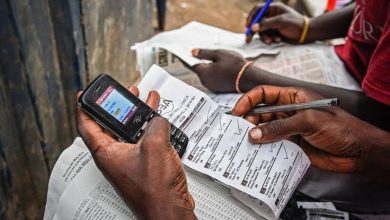
The problem is not necessarily a shortage of events, but how information about them reaches potential audiences. For many Tanzanians, finding out what is happening means navigating several WhatsApp groups, Instagram pages, Facebook accounts and forwarded posters.
Event information is scattered, making it difficult to identify activities of interest, compare schedules and plan participation. Organisers face a similar challenge. Despite investing resources in conferences, concerts, exhibitions and community activities, reaching the right audiences remains difficult when promotional information is distributed across disconnected channels.
It is this visibility gap that Dar es Salaam-based Empirical Communications Company Limited seeks to address through Kunani Tizii, a digital platform designed to bring information about events together in one accessible destination. Its guiding message, ‘Kila Tukio. Kila Mahali’, reflects an ambition to make activities across Tanzania easier to discover, regardless of their nature or location.
According to Samwel Gisayi, Creative Director at Empirical Communications, the idea emerged from recognising the disconnect between the number of events taking place and people's ability to find information about them. He observes that Tanzania hosts numerous activities across entertainment, sports, business, government, religion, education, tourism and community development, but information remains fragmented.
“We recognised that Tanzania does not necessarily lack events; what is missing is an organised and accessible way for people to discover them. An important conference, concert or community activity can take place without reaching the people who would have benefited from attending,” Gisayi says.
He explains that the intention is to establish a home-grown platform serving different sections of society rather than concentrating exclusively on entertainment. The name Kunani Tizii draws from the everyday Kiswahili expression ‘Kunani?’, commonly used to ask what is happening.
Through its mobile application, website and supporting media channels, the platform seeks to provide an answer to that familiar question. Its coverage spans nine categories: entertainment, sports, government and public affairs, business and corporate events, religion, education, trade and exhibitions, social and community activities, and tourism and culture. This broad approach recognises that event discovery is not limited to leisure.
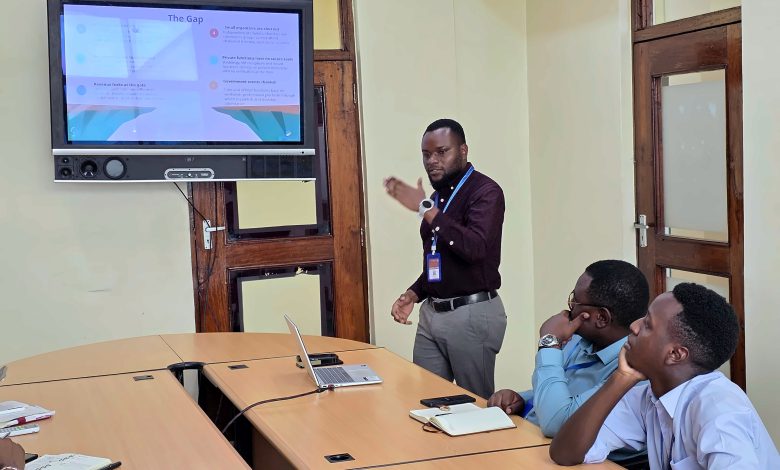
A businessperson may be searching for an investment conference, a farmer for an agricultural exhibition, a sports enthusiast for a football match, or a family for a cultural festival. Gabriel Mlolwa, Head of IT at Empirical Communications and the application’s developer, says the technology has been designed around a straightforward user journey: discover, explore, plan, attend and share.
The application features organised listings under sections such as ‘Happening Today’, ‘This Weekend’, ‘Free Events’, ‘Popular Events’ and ‘Coming Soon’. Its ‘Near Me’ functionality is intended to help users identify activities around their current locations.
ALSO READ: Rural communities need sustained partnerships to fight preventable blindness
Users can also search by interest and location, select preferred categories during registration, add events to their calendars and receive reminders. Mlolwa says these features are intended to reduce the time and effort required to find relevant activities, while enabling users to organise their schedules more conveniently.
Individual event pages can also be shared through WhatsApp, Instagram, Facebook, TikTok, X and email, allowing information to circulate through existing social and professional networks. Beyond serving audiences, the platform seeks to address the promotional challenges facing event organisers, particularly smaller institutions that may lack extensive advertising budgets.
Through its Organiser Dashboard, institutions and organisers will be able to create accounts and publish events directly, including posters, dates, venues, speakers, performers, programmes, ticket information, registration links and contact details. Mlolwa says the intention is to provide a common promotional space where a community organisation, religious institution, government agency or large corporation can make its activities visible.
Businesses and brands will also have opportunities to promote products and services. Hotels, stadiums, churches, mosques, beaches and conference centres could benefit from the planned national venue directory, which is intended to help users identify places hosting different activities.
Another important consideration is the connection between discovering an event and actually participating in it. Finding information is useful, but the process becomes more convenient when users can access registration and ticketing options without navigating unnecessary steps.
Mlolwa explains that Kunani Tizii is designed to connect users with existing Tanzanian ticketing and payment service providers, facilitating access to registration and ticket-purchasing options. Free events will also have a simplified registration process. The company is also planning Kunani Tizii Weekend, a weekly selection of the Top 10 Events This Weekend, scheduled for publication every Thursday or Friday.
The initiative is intended to give audiences a convenient overview of upcoming activities while providing organisers with another opportunity to reach potential participants. Gisayi says the company's experience in public relations and media communication has influenced its decision to develop an information ecosystem extending beyond the application. This approach recognises that digital platforms and conventional media can complement each other in reaching audiences with different information habits.
The application is currently available to Android users through the Google Play Store, while the platform can also be accessed through its website. An iOS version is planned as part of the company's expansion strategy. Future developments include event and venue reviews and ratings, alongside the possible use of anonymised, aggregated platform data to produce an annual Tanzania Events Industry Report.
Such data could offer insights into event categories, geographical distribution and audience interests, potentially helping organisers and businesses understand patterns in the events industry. However, its usefulness will depend on the quality, coverage and responsible management of information collected.
Mlolwa says the platform's long-term ambition is to become a natural destination for anyone seeking information about activities taking place across Tanzania. He invites individuals, businesses, event organisers and institutions to explore the application, visit the website and participate in building its digital community.
By and large, Kunani Tizii”s success will depend not simply on the availability of technology, but on whether organisers consistently publish reliable information, audiences embrace the service and the platform maintains useful, accurate and regularly updated listings. Tanzania already has concerts, conferences, exhibitions, sporting competitions and community activities worth discovering.
Bringing information about them together could make participation easier, improve visibility for organisers and create opportunities for businesses and communities. The next time someone asks, ‘Kunani?’, the answer could be just a tap away. KUNANI TIZII — Jua Kinachoendelea Tanzania. Kila Tukio. Kila Mahali.