Tanzanian contractors want a larger share of value in the public infrastructure projects
DAR ES SALAAM: LOCAL contractors have called for a larger share of the value of public infrastructure projects, saying greater government support is needed to build domestic capacity and achieve the goals of the Tanzania Development Vision 2050.
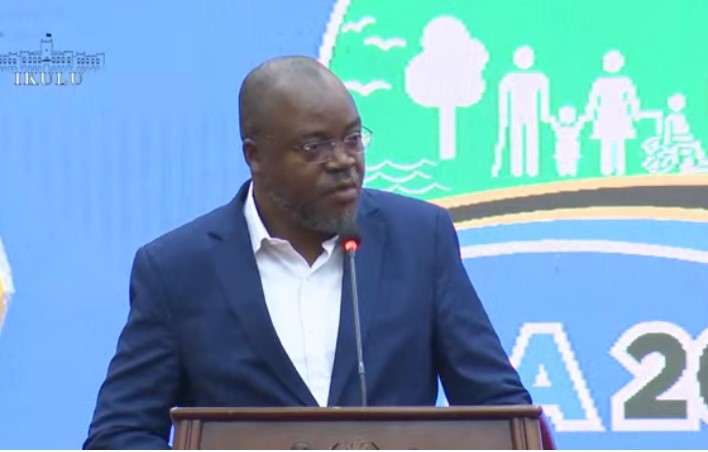
Speaking during the launch of the Vision 2050 implementation instruments and a special public-private dialogue chaired by President Samia Suluhu Hassan, Tanzania United Contractors and Allied Services Association (TUCASA) Chairman Samuel Marwa said local firms dominate in number but continue to receive a disproportionately small share of high-value contracts.
The chairman stated that records from the Contractors Registration Board (CRB) show that of about 12,400 registered contractors, approximately 98 per cent are Tanzanians, while foreign firms account for only two per cent.
He, however, noted that the two per cent of foreign contractors execute more than 70 per cent of projects by value, leaving the vast majority of local contractors to compete for the remaining share.
“We are not competing on a level playing field. Foreign contractors are paid on time because of contractual arrangements, while local contractors often experience delays in payment. This has prevented many local firms from growing, with some eventually collapsing,” he said.
ALSO READ: Zanzibar bolsters capacity of its health professionals in preparedness for disease outbreaks
Additionally, he challenged the perception among some public officials that local contractors lack the capacity to undertake major projects.
“Capacity is not genetic. Foreign contractors did not become capable by birth; they were supported and empowered by their governments. Tanzanian contractors can achieve the same if given similar opportunities,” he said.
However, he commended President Samia for demonstrating commitment to strengthening local participation in the construction industry and urged the government to sustain policies that promote indigenous contractors.
Marwa expressed hope that by 2050, local contractors would be executing at least 80 per cent of the value of public projects, enabling more resources to circulate within the domestic economy while equipping Tanzanian firms to compete for projects abroad.
“We believe this is achievable because the government has shown the political will to develop local capacity. Our goal is to see Tanzanian contractors not only building projects at home but also exporting their expertise to countries such as China, Türkiye and beyond,” he said.