Tanzania inks a Master of Science project to groom energy, climate change experts
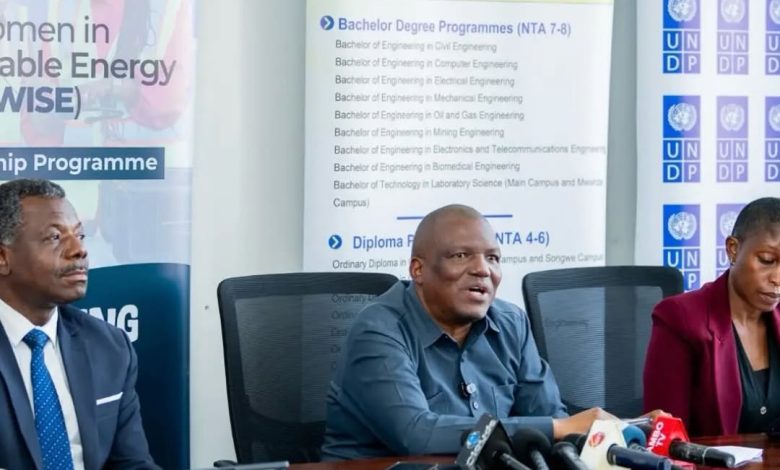
DAR ES SALAAM: THE Ministry of Energy, in collaboration with the United Nations Development Programme (UNDP) and the Dar es Salaam Institute of Technology (DIT), has officially launched a scholarship programme for a Master of Science in Sustainable Energy aimed at increasing the number of skilled professionals to address energy challenges and climate change in Tanzania.
Launching the initiative on behalf of the Permanent Secretary in the Ministry of Energy, Emilian Nyanda said the programme forms part of the government’s efforts to build a highly skilled workforce capable of driving the country’s energy transition. He said special emphasis has been placed on supporting young women to pursue postgraduate studies in sustainable energy in order to increase their participation in the sector.
Nyanda said investing in women’s education will help produce professionals capable of contributing to the implementation of government policies, strategies and programmes aimed at expanding access to clean, affordable, reliable and sustainable energy for all Tanzanians.
ALSO READ: Climate change costs Tanga 50bn/- annually
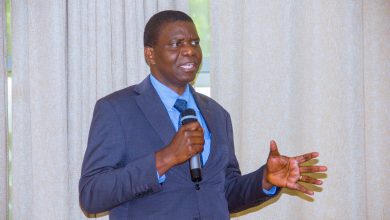
Speaking at the event, Dar es Salaam Institute of Technology Rector, Prof. Preksedis Marco Ndomba, said the initiative aligns with the institution’s strategic vision of using education, research, science and technology to provide practical solutions to national development challenges.
He described sustainable energy as a key pillar of economic growth, social development and environmental conservation, stressing the need for continued investment in developing experts who will help Tanzania achieve its sustainable development goals.
Prof. Ndomba added that DIT will continue strengthening collaboration with the government and development partners to advance education, research and innovation in the energy sector, with the aim of producing professionals capable of designing and implementing innovative solutions that meet the country’s energy needs and support economic growth.