Tanzania, Egypt ties worth deepening
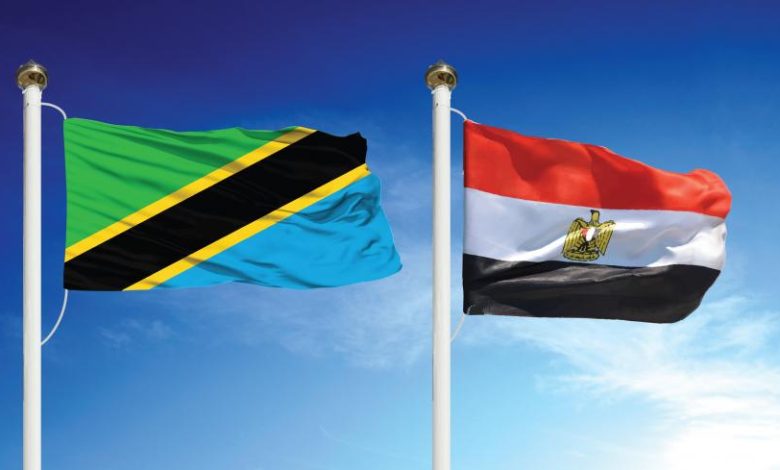
DAR ES SALAAM: PRESIDENT Abdel Fattah El Sisi’s one-day state visit to Tanzania on Saturday may have lasted only a few hours, but its significance extends well beyond diplomatic protocol.
It marks another milestone in one of Africa’s enduring bilateral relationships and underscores the importance of African countries working together to achieve sustainable development.
The discussions between President Samia Suluhu Hassan and President El-Sisi reflected a shared commitment to expanding cooperation in infrastructure, energy, trade, investment, education and regional peace.
At a time of global economic uncertainty and shifting geopolitical alliances, stronger partnerships among African nations are no longer optional, they are imperative.
Tanzania and Egypt occupy strategic positions on opposite ends of the continent.
Tanzania is East Africa’s gateway to the Indian Ocean and the Southern African Development Community (SADC), while Egypt connects Africa to the Middle East and Europe.
Closer ties between the two countries therefore strengthen not only bilateral relations but also Africa’s integration agenda. The Julius Nyerere Hydropower Project remains the strongest symbol of this partnership.
Built by Egyptian firms, it demonstrates that African countries have the expertise to deliver transformative infrastructure through cooperation.
As Tanzania implements Vision 2050, Egypt’s experience in industrialisation, energy, agriculture and technology offers opportunities to accelerate the country’s development ambitions.
ALSO READ: Tanzania, Egypt deepen trade ties in tourism, investment push
Yet the success of this relationship should not be measured by diplomatic goodwill alone. It must be reflected in higher trade, increased investment, joint ventures and expanded business opportunities that improve people’s lives.
Despite decades of cordial relations, bilateral trade remains modest compared with the vast potential of the two economies. This gap should be viewed as an opportunity. The private sector, the engine of economic growth must now take centre stage.
Businesses, investors, manufacturers, financial institutions and chambers of commerce should seize the political goodwill created by the two leaders and translate it into commercial partnerships, industrial investments and cross-border ventures.
Governments can open doors, but it is entrepreneurs who walk through them. The business engagements held alongside President Sisi’s visit have already created a platform for deeper commercial cooperation.
The real test now lies in implementation. Success will be measured not by the number of meetings held or agreements announced, but by increased trade, new investments, technology transfer, industrial partnerships and jobs.