Fairness, transparency must guide tax reforms
DAR ES SALAAM: TANZANIA’S ambition to attract more investment, stimulate entrepreneurship and accelerate economic growth depends, in part, on the credibility, fairness and efficiency of its tax system.
A tax regime should not merely serve as a revenue collection instrument; it should also encourage businesses to grow, attract investors and enable citizens to participate meaningfully in economic development.
The Tanzania Revenue Authority’s (TRA) pledge to strengthen a fair, transparent and investment-friendly tax administration is therefore welcome.
However, the real test lies not in the promises made, but in how taxpayers experience the system in their daily business operations.
Fair taxation requires predictable policies, simplified procedures, consistent interpretation of tax laws and respectful treatment of taxpayers.
Businesses, particularly small and medium-sized enterprises, need certainty to plan, expand operations, employ more people and invest in new ventures.
When tax procedures are complicated, enforcement inconsistent or compliance costs excessive, the resulting uncertainty can discourage investment, undermine business confidence and push some enterprises into informality.
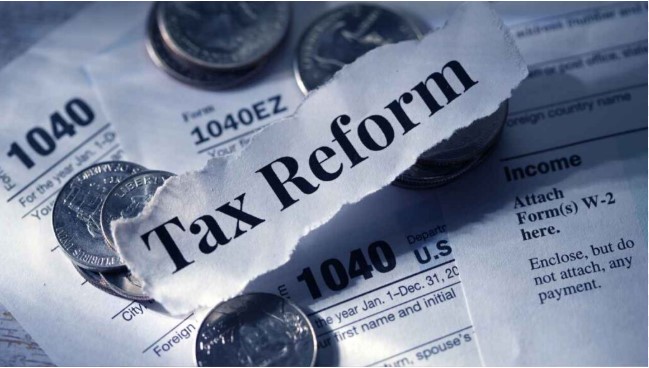
The ongoing tax reforms, informed by recommendations of the Presidential Commission on Tax System Reforms, offer an important opportunity to address these longstanding concerns.
The government must ensure that the changes translate into practical relief for entrepreneurs, local investors and businesses struggling with regulatory and administrative obstacles.
Equally important is TRA’s commitment to modernising its systems, embracing technology, expanding taxpayer education and improving service delivery.
Digital solutions should make compliance easier, minimise unnecessary interactions, reduce disputes and promote accountability.
ALSO READ: Govt deepens tax reforms for stronger growth
Taxpayers should be able to understand their obligations without navigating unnecessarily complicated procedures or incurring avoidable costs.
Broadening the tax base should also remain a priority. This requires bringing more economic activities into the formal system through incentives, education and simplified registration and payment procedures rather than relying disproportionately on existing taxpayers.
A wider, more inclusive tax base would strengthen domestic revenue mobilisation while easing pressure on compliant businesses.
The authority’s engagement with the International Monetary Fund and its willingness to exchange experiences with South Korea are commendable.
Such cooperation should help strengthen institutional capacity, improve efficiency and introduce effective practices without losing sight of Tanzania’s economic realities.
Ultimately, a successful tax system is one in which taxpayers see their contributions reflected in improved public services, infrastructure and economic opportunities.
Fairness must be felt, transparency demonstrated and reforms sustained beyond policy announcements.
A tax system that inspires confidence rather than fear will be a stronger foundation for investment, voluntary compliance, business expansion and national prosperity.