Climate deals should deliver tangible benefits
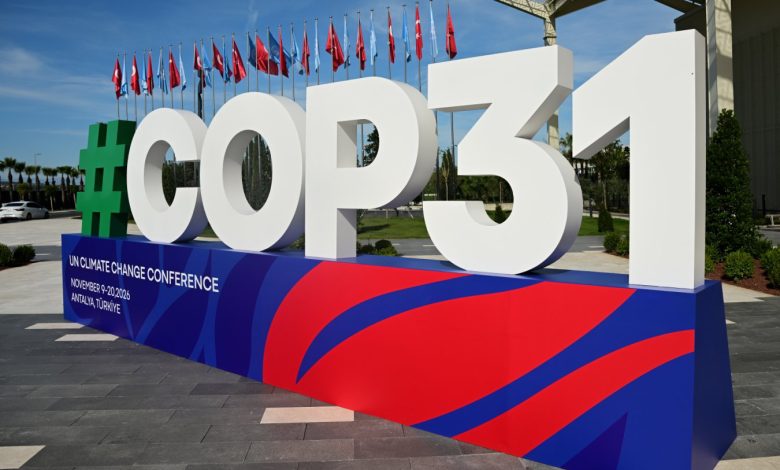
ANTALYA: TANZANIA’S participation in the 31st United Nations Climate Change Conference (COP31) in Antalya, Türkiye, has yielded promising outcomes that could accelerate the country’s development, strengthen climate resilience and improve the livelihoods of millions of people.
The reported financing opportunities, investment commitments and international partnerships demonstrate the importance of active engagement in global climate diplomacy.
However, the real measure of success will not be the number of agreements secured or pledges announced, but how effectively these opportunities are translated into tangible benefits for citizens.
One of the most significant gains is the Green Climate Fund’s agreement to provide the remaining 120 million US dollars, (about 300bn/-), for the Lake Victoria water project.
Extending water services to more than 125 villages in Simiyu Region would be a major step towards addressing persistent water shortages, improving public health and reducing the burden on communities, particularly women and children who often travel long distances in search of water.
Equally important is Tanzania’s opportunity to host an African climate change training centre in Dar es Salaam.
This presents an opportunity to equip young people with practical skills, research capacity and technological knowledge to participate in the growing green economy.
Such an initiative should be fully supported and linked to employment, innovation and entrepreneurship.
The investment prospects in agriculture, renewable energy, clean cooking, transport and forestry are also encouraging.
ALSO READ: Tanzania strikes major energy deals at the COP31 in Türkiye
Tanzania needs substantial resources to implement its climate commitments, having identified a financing requirement of 19.3 billion US dollars against 7.3 billion US dollars already secured.
Mobilising the remaining resources will require sustained international cooperation and stronger domestic financing mechanisms.
Nevertheless, climate finance must be accessible, transparent and directed towards projects with measurable social and environmental benefits.
Green bonds, tax incentives and partnerships with development institutions should complement, rather than replace, effective public investment and accountability. The progress in clean cooking and electricity access is particularly welcome.
Expanding affordable clean cooking technologies will reduce dependence on traditional biomass, protect public health, conserve forests and create opportunities for local businesses.
However, affordability remains critical, especially for low-income households.
Tanzania must also ensure that climate investments reach vulnerable rural communities, farmers and populations exposed to droughts, floods and other climate-related disasters.
Indeed, climate diplomacy must deliver more than international recognition. Its success should be reflected in reliable water supplies, affordable clean energy, productive agriculture, decent jobs and safer communities.