Prisons, TSB team up to revitalise sisal industry
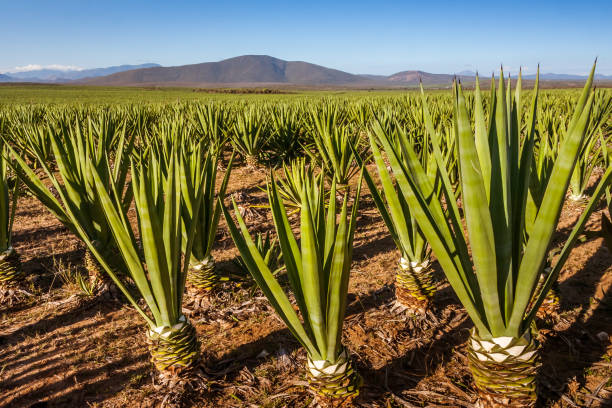
DAR ES SALAAM: THE Tanzania Prisons Department has pledged to strengthen its collaboration with the Tanzania Sisal Board (TSB) in a renewed effort to revitalise and modernise the country’s sisal industry—positioning the partnership as a promising model of public-private cooperation for sustainable agricultural transformation.
Speaking during a visit to the TSB pavilion at the Dar es Salaam International Trade Fair (DITF), Deputy Commissioner of Prisons Ahmad Mwendadi underscored the importance of institutional cooperation in boosting technical expertise, innovation and productivity in sisal cultivation and processing.
“The Prisons Department owns over 200 acres of sisal plantations, and we are keen to deepen our collaboration with the Board—particularly in the areas of skills development, mechanisation and value addition,” said Commissioner Mwendadi.
He noted that the department operates sisal farms in Korogwe and Mkinga districts in Tanga Region, as well as in Kihonda, Morogoro Region.
These plantations are not only producing raw sisal but are also engaged in processing value-added products such as ropes, mats and handicrafts.
ALSO READ: TSB partners with researchers on sisal protein for animal feed
“Sisal is a strategic resource for Tanzania, and as a public institution, we are committed to partnering with both government and private actors to ensure its revival and long-term sustainability,” he added.
According to the TSB, the renewed partnership between the Tanzania Prisons Department and the Board—alongside cuttingedge research and grassroots entrepreneurship—is setting the foundation for a robust public-private model to restore one of Tanzania’s most historic crops.
TSB Director General Saad Kambona said coordinated investment, innovation and shared responsibility will be crucial in ensuring sisal reclaims its place as a pillar of rural economic development.
In a related development underscoring the role of research and innovation in PPP frameworks, scientists from the University of Dar es Salaam (UDSM) and the Nelson Mandela African Institution of Science and Technology (NM-AIST), in collaboration with TSB and the Tanzania Agricultural Research Institute (TARI), are conducting a groundbreaking study on converting sisal waste into protein-rich animal feed.
Mr Kambona said the initiative reflects national efforts to diversify the economic uses of sisal and enhance its value chain with strong backing from both public institutions and private stakeholders.