Motsepe confident Pamoja 2027 AFCON will be success
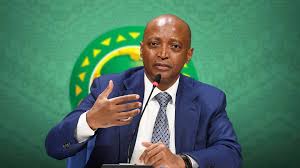
RABAT: CAF president Patrice Motsepe has insisted that Tanzania, Kenya and Uganda will successfully host the 2027 Africa Cup of Nations, dismissing concerns that East Africa may not be ready to stage the continent’s flagship tournament.

Speaking in Rabat on Saturday, Motsepe acknowledged that Morocco’s hosting of the current AFCON had “raised the bar” but stressed that the tournament would go ahead in East Africa as planned.

“This has been the single most successful AFCON in the history of the competition,” Motsepe told reporters on the eve of Sunday’s final between hosts Morocco and Senegal.

“The quality of the football has been world-class, as has the quality of the stadiums and the infrastructure.”

Morocco, which is preparing to co-host the 2030 World Cup alongside Spain and Portugal, has also been mentioned as a possible candidate for the 2028 AFCON as a further test ahead of the global showpiece.

Motsepe confirmed that several countries had expressed interest in hosting that edition.

“I have had so many countries that want to host 2028,” he said, while underlining that the 2027 tournament would remain with Kenya, Tanzania and Uganda.

The three countries jointly staged last year’s African Nations Championship (CHAN), a competition reserved for locally-based players, although the tournament was postponed from January to August to allow additional time for the completion of facilities.

Motsepe defended CAF’s decision to award the tournament to East Africa, saying the confederation had a responsibility to develop football across the continent.

“Part of being a leader is to deal with difficult and unpleasant decisions which we have to take,” the South African said.

ALSO READ: Pamoja bid wins: Tanzania, Kenya & Uganda to host AFCON 2027

“I have a duty to develop football all over Africa. I can’t have football only in those countries with the best infrastructure.

“I am confident that the AFCON in Kenya, Uganda and Tanzania will be enormously successful. We are not going to take the competition away from these countries.”

The 2027 tournament will be the first AFCON to be held in the region since Ethiopia hosted the competition in 1976.

It will also be the final edition before the tournament switches to a four-year cycle, having been held every two years since its inception in 1957.

Motsepe announced the change on the eve of the current tournament in Morocco and rejected suggestions that CAF had bowed to pressure from European clubs or world governing body FIFA.

“We have to free ourselves as Africans and not think that whenever we take a decision it is because FIFA says this or Europe says this,” he said.

“There are times when you have to make concessions.”

Related Articles

6 Comments

  1. Government financing refers to how a government raises money to fund its activities—such as public services, infrastructure, defense, education, and social programs—and how it manages that money.

    Here’s a clear overview:

    Main Sources of Government Financing

    Taxes

    Income tax (individual and corporate)

    Sales/VAT/GST

    Property tax

    Excise and customs duties
    → This is the primary and most stable source for most governments.

    Borrowing (Public Debt)

    Treasury bills, bonds, and notes

    Domestic or foreign loans
    → Used especially when expenditures exceed revenues (budget deficits).

    Non-Tax Revenues

    Fees and licenses

    Fines and penalties

    Profits from state-owned enterprises

    Royalties from natural resources

    Grants and Aid

    From other governments or international organizations

    Common in developing or crisis-affected countries

    Money Creation (Seigniorage)

    Financing through central bank money creation
    → Risky if overused, as it can cause inflation.

    Budget Balance Concepts

    Balanced budget: revenues = expenditures

    Budget deficit: expenditures > revenues (requires borrowing)

    Budget surplus: revenues > expenditures (can reduce debt)

    Why Government Financing Matters

    Affects economic growth and stability

    Influences inflation and interest rates

    Impacts income distribution and public welfare

    Determines long-term debt sustainability

    If you’d like, I can tailor this to:

    a school or exam explanation

    developing vs developed countries

    fiscal deficits and public debt

    a real-world country example

    or advantages and disadvantages of each financing method

    Just tell me what you need.

  2. Government financing refers to how a government raises money to fund its activities—such as public services, infrastructure, defense, education, and social programs—and how it manages that money.

    Here’s a clear overview:

    Main Sources of Government Financing

    Taxes

    Income tax (individual and corporate)

    Sales/VAT/GST

    Property tax

    Excise and customs duties
    → This is the primary and most stable source for most governments.

    Borrowing (Public Debt)

    Treasury bills, bonds, and notes

    Domestic or foreign loans
    → Used especially when expenditures exceed revenues (budget deficits).

    Non-Tax Revenues

    Fees and licenses

    Fines and penalties

    Profits from state-owned enterprises

    Royalties from natural resources

    Grants and Aid

    From other governments or international organizations

    Common in developing or crisis-affected countries

    Money Creation (Seigniorage)

    Financing through central bank money creation
    → Risky if overused, as it can cause inflation.

    Budget Balance Concepts

    Balanced budget: revenues = expenditures

    Budget deficit: expenditures > revenues (requires borrowing)

    Budget surplus: revenues > expenditures (can reduce debt)

    Why Government Financing Matters

    Affects economic growth and stability

    Influences inflation and interest rates

    Impacts income distribution and public welfare

    Determines long-term debt sustainability

    If you’d like, I can tailor this to:

    a school or exam explanation

    developing vs developed countries

    fiscal deficits and public debt

    a real-world country example

    or advantages and disadvantages of each financing method

    Just tell me what you need.

  3. Government financing refers to how a government raises money to fund its activities—such as public services, infrastructure, defense, education, and social programs—and how it manages that money.

    Here’s a clear overview:

    Main Sources of Government Financing

    Taxes

    Income tax (individual and corporate)

    Sales/VAT/GST

    Property tax

    Excise and customs duties
    → This is the primary and most stable source for most governments.

    Borrowing (Public Debt)

    Treasury bills, bonds, and notes

    Domestic or foreign loans
    → Used especially when expenditures exceed revenues (budget deficits).

    Non-Tax Revenues

    Fees and licenses

    Fines and penalties

    Profits from state-owned enterprises

    Royalties from natural resources

    Grants and Aid

    From other governments or international organizations

    Common in developing or crisis-affected countries

    Money Creation (Seigniorage)

    Financing through central bank money creation
    → Risky if overused, as it can cause inflation.

    Budget Balance Concepts

    Balanced budget: revenues = expenditures

    Budget deficit: expenditures > revenues (requires borrowing)

    Budget surplus: revenues > expenditures (can reduce debt)

    Why Government Financing Matters

    Affects economic growth and stability

    Influences inflation and interest rates

    Impacts income distribution and public welfare

    Determines long-term debt sustainability

    If you’d like, I can tailor this to:

    a school or exam explanation

    developing vs developed countries

    fiscal deficits and public debt

    a real-world country example

    or advantages and disadvantages of each financing method

    Just tell me what you need.

  4. Government financing refers to how a government raises money to fund its activities—such as public services, infrastructure, defense, education, and social programs—and how it manages that money.

    Here’s a clear overview:

    Main Sources of Government Financing

    Taxes

    Income tax (individual and corporate)

    Sales/VAT/GST

    Property tax

    Excise and customs duties
    → This is the primary and most stable source for most governments.

    Borrowing (Public Debt)

    Treasury bills, bonds, and notes

    Domestic or foreign loans
    → Used especially when expenditures exceed revenues (budget deficits).

    Non-Tax Revenues

    Fees and licenses

    Fines and penalties

    Profits from state-owned enterprises

    Royalties from natural resources

    Grants and Aid

    From other governments or international organizations

    Common in developing or crisis-affected countries

    Money Creation (Seigniorage)

    Financing through central bank money creation
    → Risky if overused, as it can cause inflation.

    Budget Balance Concepts

    Balanced budget: revenues = expenditures

    Budget deficit: expenditures > revenues (requires borrowing)

    Budget surplus: revenues > expenditures (can reduce debt)

    Why Government Financing Matters

    Affects economic growth and stability

    Influences inflation and interest rates

    Impacts income distribution and public welfare

    Determines long-term debt sustainability

    If you’d like, I can tailor this to:

    a school or exam explanation

    developing vs developed countries

    fiscal deficits and public debt

    a real-world country example

    or advantages and disadvantages of each financing method

    Just tell me what you need.

  5. Government financing refers to how a government raises money to fund its activities—such as public services, infrastructure, defense, education, and social programs—and how it manages that money.

    Here’s a clear overview:

    Main Sources of Government Financing

    Taxes

    Income tax (individual and corporate)

    Sales/VAT/GST

    Property tax

    Excise and customs duties
    → This is the primary and most stable source for most governments.

    Borrowing (Public Debt)

    Treasury bills, bonds, and notes

    Domestic or foreign loans
    → Used especially when expenditures exceed revenues (budget deficits).

    Non-Tax Revenues

    Fees and licenses

    Fines and penalties

    Profits from state-owned enterprises

    Royalties from natural resources

    Grants and Aid

    From other governments or international organizations

    Common in developing or crisis-affected countries

    Money Creation (Seigniorage)

    Financing through central bank money creation
    → Risky if overused, as it can cause inflation.

    Budget Balance Concepts

    Balanced budget: revenues = expenditures

    Budget deficit: expenditures > revenues (requires borrowing)

    Budget surplus: revenues > expenditures (can reduce debt)

    Why Government Financing Matters

    Affects economic growth and stability

    Influences inflation and interest rates

    Impacts income distribution and public welfare

    Determines long-term debt sustainability

    If you’d like, I can tailor this to:

    a school or exam explanation

    developing vs developed countries

    fiscal deficits and public debt

    a real-world country example

    or advantages and disadvantages of each financing method

    Just tell me what you need.

  6. Government financing refers to how a government raises money to fund its activities—such as public services, infrastructure, defense, education, and social programs—and how it manages that money.

    Here’s a clear overview:

    Main Sources of Government Financing

    Taxes

    Income tax (individual and corporate)

    Sales/VAT/GST

    Property tax

    Excise and customs duties
    → This is the primary and most stable source for most governments.

    Borrowing (Public Debt)

    Treasury bills, bonds, and notes

    Domestic or foreign loans
    → Used especially when expenditures exceed revenues (budget deficits).

    Non-Tax Revenues

    Fees and licenses

    Fines and penalties

    Profits from state-owned enterprises

    Royalties from natural resources

    Grants and Aid

    From other governments or international organizations

    Common in developing or crisis-affected countries

    Money Creation (Seigniorage)

    Financing through central bank money creation
    → Risky if overused, as it can cause inflation.

    Budget Balance Concepts

    Balanced budget: revenues = expenditures

    Budget deficit: expenditures > revenues (requires borrowing)

    Budget surplus: revenues > expenditures (can reduce debt)

    Why Government Financing Matters

    Affects economic growth and stability

    Influences inflation and interest rates

    Impacts income distribution and public welfare

    Determines long-term debt sustainability

    If you’d like, I can tailor this to:

    a school or exam explanation

    developing vs developed countries

    fiscal deficits and public debt

    a real-world country example

    or advantages and disadvantages of each financing method

    Just tell me what you need.

Leave a Reply

Your email address will not be published. Required fields are marked *

Back to top button