Mentorship opens leadership doors for women
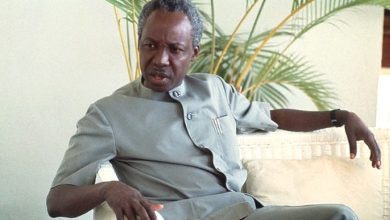
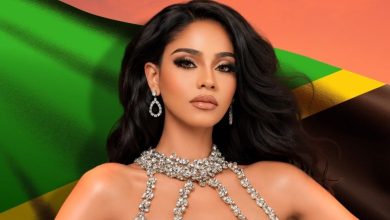
DAR ES SALAAM: THE meeting between President Dr Samia Suluhu Hassan and former Ugandan Vice-President Dr Speciosa Kazibwe in Dar es Salaam was not a symbolic encounter between two pioneering African women.
It offers an important reminder that increasing women’s participation in leadership requires not only access to positions of power, but also deliberate efforts to prepare, encourage and mentor the next generation.
Their agreement on the need to strengthen mentorship among women leaders comes at a critical moment for Africa. Although the continent has made meaningful progress in expanding women’s political representation, women remain significantly underrepresented in many centres of decision making.
According to the Inter-Parliamentary Union, women occupy 27.1 per cent of parliamentary seats in Sub-Saharan Africa, while East Africa performs better at 32.1 per cent. Yet, representation at the highest levels of political power remains limited.
This gap demonstrates why mentorship should be treated as an essential component of Africa’s leadership development agenda. Experienced women leaders possess valuable knowledge about navigating political institutions, overcoming barriers and creating opportunities for others.
Their experiences remain crucial to help younger women develop confidence, leadership skills and the resilience necessary to participate effectively in public life. Dr Kazibwe’s record provides a powerful example.
When she became Uganda’s Vice-President in 1994, she broke a major political barrier as the first woman in Africa to hold that office.
Her advocacy for women’s participation in governance, reproductive health and girls’ education helped demonstrate that women could occupy and influence the highest levels of political leadership.
ALSO READ: WOMEN’S LEADERSHIP: Samia, Kazibwe set pace
President Dr Samia’s leadership similarly illustrates the importance of creating space for women in decision-making.
Since assuming office, she has increased women’s presence in senior public positions, including important areas of government.
Tanzania’s relatively strong representation of women in Parliament and Cabinet demonstrates that deliberate policies and appointments can help expand women’s participation.
However, representation alone is not enough. African countries must build sustainable pathways through which, young women can acquire leadership experience and eventually assume greater responsibilities.
Political parties, governments, educational institutions, civil society and the private sector all have roles to play.
The message from President Dr Samia and Dr Kazibwe is, therefore, timely: African women leaders should not only occupy positions of authority; they should help create the leaders who will follow them.
A continent seeking inclusive and sustainable development cannot afford to leave half of its population on the margins of decision-making.
Mentorship can turn individual breakthroughs into lasting institutional change.
The real measure of today’s women leaders will ultimately include how many doors they open for those coming after them.