Women must be at the heart of Great Lakes peace
DAR ES SALAAM: THE call by Tanzania for greater participation of women in peacebuilding, conflict resolution and regional decision-making is both timely and necessary.
As conflicts, political tensions and insecurity continue to threaten stability in parts of the Great Lakes Region, it is increasingly clear that sustainable peace cannot be achieved by governments and political leaders acting alone. Women must be recognised as equal partners in shaping the region’s future.
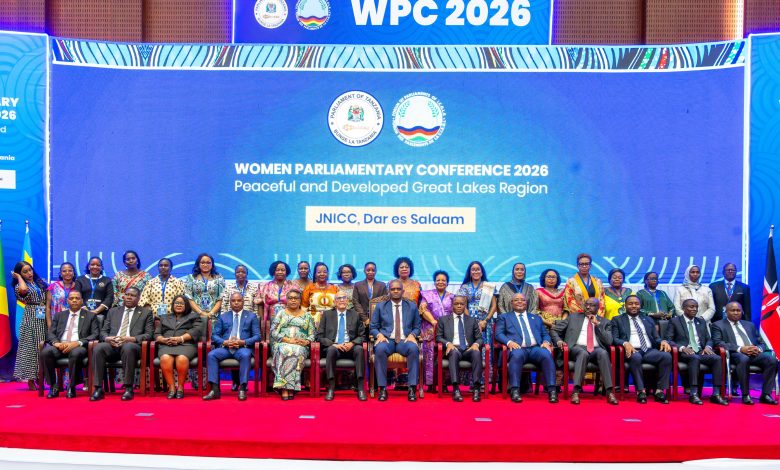
Speaking at the opening of the Women Parliamentary Conference 2026 in Dar es Salaam, Vice-President Deogratius Ndejembi rightly emphasised that women should not be regarded merely as victims of conflict, but as important contributors to preventing disputes, facilitating reconciliation and building cohesive communities.
This is an important distinction. Women and children frequently bear the greatest consequences of armed conflicts, including displacement, violence, poverty and disruption of essential services. Yet, women remain underrepresented in formal peace negotiations and political decision-making. Such exclusion denies peace processes valuable perspectives, experiences and solutions.
The statistics cited at the conference are particularly concerning. With women occupying approximately 26.5 per cent of parliamentary seats globally and accounting for only 27 per cent of participants in peace processes and mediation discussions in 2024, the gap between commitments to gender equality and actual representation remains substantial.
The Great Lakes countries must move beyond declarations of support for women’s empowerment and take practical steps to guarantee meaningful participation. Governments should strengthen women’s representation in peace negotiations, security institutions, political leadership and regional development programmes. They should also invest in education, professional training, access to finance and economic opportunities to enable women to participate effectively.
Tanzania’s National Action Plan on Women, Peace and Security for 2025–2029, aligned with United Nations Security Council Resolution 1325, provides an important framework. However, its value will ultimately be determined by implementation, adequate financing, institutional accountability and measurable results.
Parliaments also have a critical responsibility. As Speaker Mussa Azzan Zungu observed, parliamentarians must ensure that women’s concerns are reflected in legislation, national budgets and public policies. Parliamentary diplomacy should similarly be used to promote dialogue, share experiences and encourage regional cooperation.
Ultimately, women must not simply be invited to participate in peacebuilding; they must have the authority, resources and opportunities to influence decisions. A peaceful and prosperous Great Lakes Region will remain an incomplete ambition unless women are fully involved in building. it.