Local stewardship proves key in saving forests

TANGA: IN villages bordering Tanzania’s forests, the fight against deforestation is no longer confined to policy debates; it is increasingly shaped by everyday choices on land use, fuel and livelihoods.
Across the country, communities are taking on roles once largely reserved for central authorities managing, protecting and deriving income from surrounding forests. For many, this shift is proving to be one of the most effective ways of curbing the loss of natural resources.
Speaking in Tanga, Acting Regional Administrative Secretary, Amina Said said empowering local communities to manage forests is no longer optional but essential, as Tanzania continues to lose an estimated 469,000 hectares of forest annually.
Opening a workshop and Annual General Meeting of the Tanzania Community Forest Conservation Network, she described communities as frontline defenders, with villagemanaged forests emerging as a critical pillar of conservation.
“Our Forests, Our Economy is a reminder that forests are not just environmental heritage, but a pillar of national development,” she said. Tanzania’s forests cover about 48.1 million hectares, roughly 55 per cent of the country’s land area and support water security, food production, energy supply and rural livelihoods.
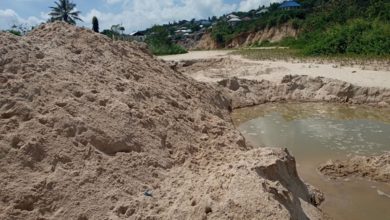
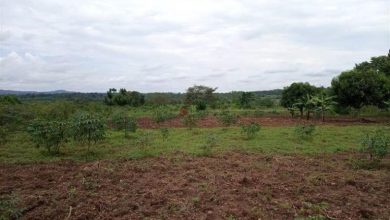
However, pressures from unsustainable farming, charcoal production, illegal logging and wildfires continue to drive deforestation, leading to shrinking water sources and declining agricultural productivity. Amid these challenges, community-led conservation is gaining ground.
Through Participatory Forest Management, thousands of villagers are now directly involved in protecting and benefiting from forest resources. The approach has helped raise household incomes, create jobs and strengthen local governance while reducing forest degradation.
“This is the foundation of an inclusive, forest-based economy,” Said noted, calling for stronger collaboration between communities, government and the private sector. For National Network of Community Forests, MJUMITA, the model is already delivering results.
The network now operates in 16 regions, 36 districts and more than 504 villages, mobilising over 15,000 people to manage more than two million hectares of village forest. Its Director, Rehema Njaidi, said the Tanga meeting offered a rare opportunity for grassroots members to exchange experiences and engage directly with policymakers.
ALSO READ: Stakeholder cooperation vital for public accountability, says CAG
“The meeting provides a platform for communities to interact with government and other stakeholders involved in forest conservation,” she said.
Operating across six ecological zones, the network represents thousands of people living close to natural forests, communities whose livelihoods are closely tied to ecosystem health.
However, funding remains a major challenge, Ms Njaidi said the organisation requires at least 3bn/- annually to scale up its programmes nationwide, warning that limited resources are slowing expansion to more villages. Within communities, efforts are also focusing on gender inclusion.
MJUMITA Chairperson Rehema Njelekele said the network is prioritising women’s empowerment, noting that women are often the most affected by forest degradation due to their dependence on forest resources.
“We have implemented several projects focusing on women and conservation,” she said.
At the grassroots level, forests are increasingly viewed not just as national assets, but as vital sources of income, resilience and survival. As Tanzania seeks to balance environmental protection with economic growth, one lesson is becoming clear: when communities have a stake in forests, they are far more likely to protect them. In the end, the future of Tanzania’s forests may depend less on enforcement and more on ownership.