Kiswahili global reach expands
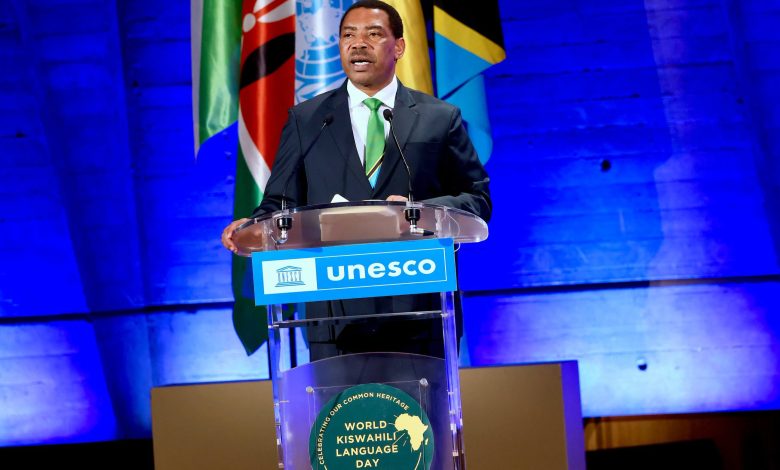
PARIS: TANZANIA will continue placing strong emphasis on preserving, promoting and developing Kiswahili, to ensure it continues to serve as a language of development, unity, diplomacy and international communication.
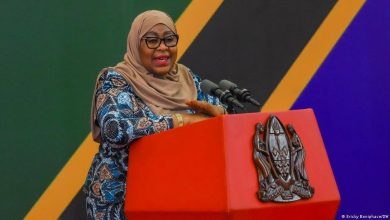
Representing President Samia Suluhu Hassan at the Second International Kiswahili Conference in Paris, France, Prime Minister Dr Mwigulu Nchemba said the global reach of Kiswahili continue to expand rapidly.
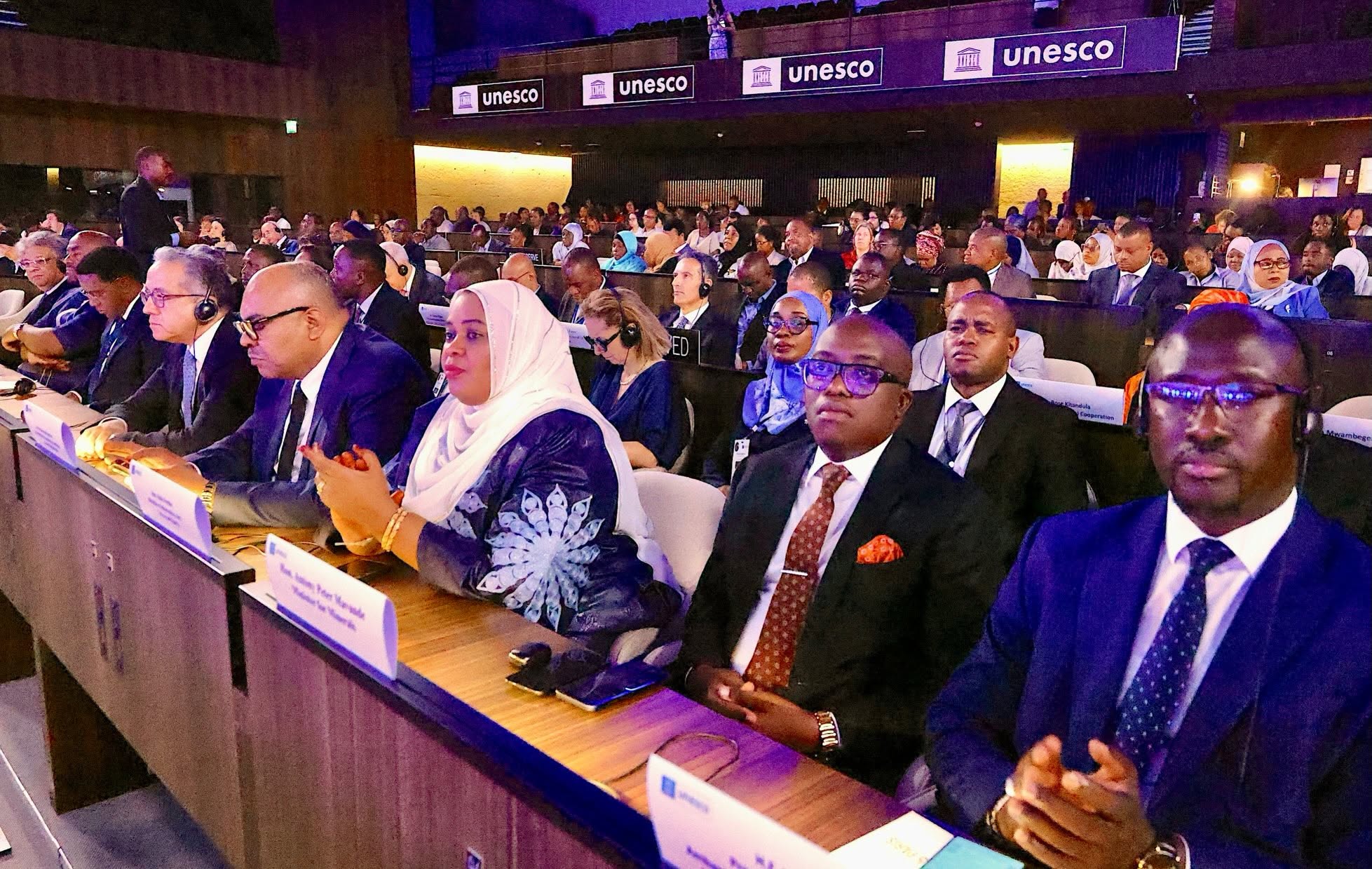
He directed relevant ministries and Tanzanian embassies worldwide to strengthen the teaching and promotion of Kiswahili.
“The Ministry of Information, Culture, Arts and Sports, the National Kiswahili Council (BAKITA), the Kiswahili Council of Zanzibar (BAKIZA), the Institute of Kiswahili Studies and all stakeholders responsible for Kiswahili development should work closely with Tanzanian embassies around the world to strengthen the teaching of Kiswahili and establish Kiswahili cultural centres in various countries, including here in France,” Dr Nchemba said.
He said the initiative should not be treated as a short-term activity but institutionalised as an official government programme and incorporated into the responsibilities of every Tanzanian embassy to promote and expand the use of Kiswahili globally.
“These centres should serve as platforms for teaching Kiswahili, promoting Kiswahili culture, strengthening cultural diplomacy and creating opportunities for trade, investment and tourism,” he said.
Dr Nchemba said the centres would also enable people from different countries to learn Kiswahili, its history, Swahili civilisation and the broader heritage of African culture.
In addition, they would showcase Swahili cuisine, traditional attire, music, poetry, literature, performing arts, book publishing, film production and other cultural expressions that reflect African identity.
“Kiswahili is not just a language; it is an identity, a civilisation and a value system that represents Africans across the world,” he said.
He added that Kiswahili is rooted in dignity, humility and humanity, and encouraging people to learn the language also means introducing them to African civilisation, values and culture.
Dr Nchemba also called on Tanzanians living abroad to preserve and promote African identity through the Kiswahili language.
“Continue using Kiswahili in your families, in the communities where you live and at your workplaces. Encourage children and young people to learn and use it with pride because this language is not only Tanzania’s heritage but also the heritage of the entire African continent,” he said.
He also directed the Ministry of Foreign Affairs and East African Cooperation, the Ministry of Education, Science and Technology, the Ministry of Natural Resources and Tourism, and relevant ministries in both the Union and Zanzibar governments to jointly implement a unified national strategy for promoting Kiswahili internationally.
Dr Nchemba further directed institutions responsible for Kiswahili development to strengthen translation and interpretation services to expand the language’s use in international meetings and institutions.
He said President Samia had already helped pave the way for Kiswahili to gain recognition and wider use on several international platforms, adding that the next step was to expand translation and interpretation capacity.
“Meetings of the World Bank, the International Monetary Fund (IMF) and many other international institutions are among the platforms where Kiswahili has already begun gaining recognition. However, there is still a need to increase the number of translation and interpretation experts to ensure its sustainable and effective use,” he said.
Dr Nchemba also said that, amid rapid technological transformation and the advancement of Artificial Intelligence (AI), stakeholders have a responsibility to ensure Kiswahili secures its rightful place in next-generation technologies.
He said greater investment was needed in digital translation, AI systems, natural language processing and the creation of online Kiswahili content to ensure the language remains vibrant, competitive and capable of contributing meaningfully to the global digital economy.
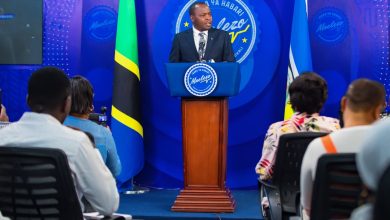
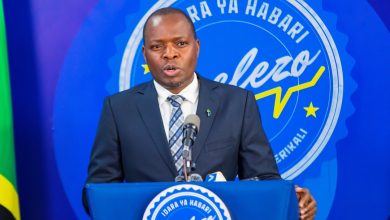
On his part, Minister for Information, Culture, Arts and Sports Mr Paul Makonda said the conference reflected the country’s strong commitment to promoting Kiswahili globally.
“Tanzania has been at the forefront of promoting and developing Kiswahili. It has served as the country’s national and official language since it was formally adopted in 1962 under the leadership of Tanzania’s founding President, the late Mwalimu Julius Nyerere, and Zanzibar’s first President, the late Sheikh Abeid Amani Karume,” Mr Makonda said.
He said successive governments had continued investing in the language by establishing specialised institutions responsible for its development, including BAKITA and BAKIZA.
“Tanzania has various institutions involved in Kiswahili research, teaching and development. These include the Institute of Kiswahili Studies (TATAKI) at the University of Dar es Salaam and the School of Kiswahili and Foreign Languages at the State University of Zanzibar (SUZA),” he said.
“While many countries are still working to establish Kiswahili councils, Tanzania already has two major institutions coordinating the development of the language,” he added.
ALSO READ: Tanzania woos French investment
UNESCO Director-General Professor Khaled El-Enany commended the Tanzanian government for its contribution to promoting and developing Kiswahili nationally, across Africa and globally.
“Kiswahili holds a unique position globally because of its long history of connecting people, facilitating communication and strengthening cultural interaction among communities around the world,” he said.