Institutional conflicts demand skilled, responsible leadership
DAR ES SALAAM: Heads of training and research institutions in the agriculture and livestock sectors have been urged to fully understand their leadership responsibilities and adopt effective approaches to resolving conflicts that may arise within their institutions and among the employees they supervise.
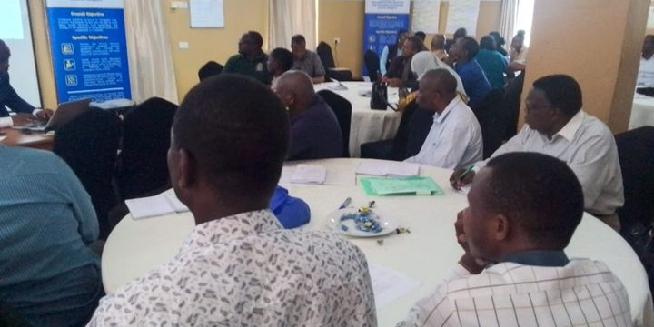
The call was made over the weekend in Morogoro during a leadership and institutional management training programme organised by the non-governmental organisation Sustainable Agriculture Tanzania (SAT).
The programme brought together heads of agricultural and livestock training and research institutions from across the country with the aim of strengthening leadership capacity, institutional governance, and conflict management skills.
The training was facilitated by experts from different professional backgrounds, including Dr Kelven Mwita from Eminent Corporate Academy, who reinforced the importance of responsible leadership in ensuring peace, productivity, and sustainability within institutions.
Speaking during the training sessions, Dr Mwita said leaders should understand that leadership is not merely about authority or administration, but also about maintaining harmony and ensuring institutions remain stable even during difficult situations.
He said conflicts are unavoidable in institutions because people come from different backgrounds, possess varying interests, and often hold differing opinions on institutional matters.
However, he stressed that competent leadership is measured by the ability to manage and resolve disputes professionally and fairly before they escalate into major problems that can affect institutional performance. According to Dr Mwita, institutional leaders should avoid focusing on winning disputes whenever conflicts arise between management, employees, communities, or other stakeholders.
Instead, leaders should prioritize dialogue, understanding, and sustainable solutions that promote peace and cooperation. He explained that some leaders make the mistake of treating every disagreement as a battle to be won, a tendency that often worsens tensions and damages relationships within institutions.
Such approaches, he said, can weaken trust between management and staff members, reduce employee morale, and negatively affect service delivery and institutional development.
“Whenever institutions face conflicts involving employees, communities, or key stakeholders, leaders should not focus on defeating one side. Their priority should be maintaining peace, stability, cooperation, and sustainability within their institutions,” Dr Mwita said.
He further noted that before the training programme was developed, organisers conducted assessments to identify major challenges facing training and research institutions in the agriculture and livestock sectors. The findings showed that many institutions needed stronger leadership skills, improved management systems, and better understanding of good governance principles.
“As facilitators, we first assessed the needs of these institutions, particularly in leadership, institutional management, and good governance. The topics covered during this programme were specifically designed to address those needs,” he explained.
Among the key topics discussed during the one-week training programme were conflict resolution within institutions, stakeholder engagement, effective communication, institutional governance, management of institutional resources, and preparation for life after retirement.
Dr Mwita said the issue of stakeholder engagement is becoming increasingly important because institutions can no longer operate in isolation from the communities they serve.
He said institutional leaders must understand the importance of maintaining good relationships with surrounding communities, development partners, employees, and government authorities.
He explained that institutions operating without proper stakeholder engagement often face unnecessary misunderstandings, resistance from communities, and conflicts that can easily be avoided through transparency and communication.
Another important topic addressed during the programme involved retirement preparation for institutional leaders and employees.
Dr Mwita said many professionals fail to adequately prepare for life after retirement, which later creates emotional, financial, and psychological challenges. He encouraged institutional leaders to start preparing for retirement early while still actively serving in their positions.
Speaking about the objectives of the training programme, SAT Projects Manager Kashindye Salumu said the initiative aimed to strengthen leadership and institutional management capacities within agricultural and livestock institutions across the country.
He said the programme brought together 48 heads of training and research institutions alongside officials from the ministries responsible for agriculture and livestock development. According to Salumu, the training focused on equipping institutional leaders with practical skills that would help them effectively manage human resources, strengthen teamwork, improve institutional governance, and resolve disputes professionally.
“These trainings are intended to strengthen leadership within institutions so that leaders can effectively manage employees and address conflicts that may arise within their institutions,” Salumu said.
He further explained that the programme was conducted through a capacity- building project launched in 2019 with the goal of improving agriculture and livestock sectors through training, institutional support, and professional development.
The project, implemented in collaboration with the relevant ministries, has continued supporting institutions by strengthening administrative systems, improving training standards, and enhancing professional skills among institutional leaders and staff members.
Salumu noted that strong institutions are essential for national development because agricultural and livestock sectors remain among the key contributors to economic growth, food security, employment creation, and poverty reduction.
He added that improving leadership within training and research institutions would contribute significantly to the production of skilled professionals capable of transforming agriculture and livestock sectors through innovation, research, and modern farming practices.
ALSO READ: Visa users compete for luxury Mauritius trip
Participants who attended the training praised the programme, saying it had broadened their understanding of leadership and institutional management while equipping them with practical skills for handling workplace conflicts.
The Principal of Kilimanjaro Agricultural Training College, Witness Bashaka, said although SAT has consistently supported institutions through various training programmes, the current initiative stood out because it encouraged leaders to critically reflect on their responsibilities and leadership styles.
He explained that the programme helped participants understand that leadership involves more than supervising employees or managing operations. According to him, true leadership also requires accountability, fairness, emotional intelligence, and the ability to inspire cooperation within institutions.
“These trainings have helped us understand ourselves better as leaders and reminded us about our responsibilities toward employees, institutions, and society in general,” Bashaka said.
He added that the knowledge gained during the programme would help institutional leaders strengthen workplace relationships, improve communication with employees, and create more peaceful working environments.
Meanwhile, Acting Head of the Assistant Academic Department at the Livestock Training Agency (LITA), Dr Bakari Ngesha, commended SAT not only for organising leadership training programmes but also for supporting curriculum development within agricultural and livestock institutions.
Dr Ngesha said SAT had assisted in developing three new teaching curricula after the previous versions were found to be outdated and no longer aligned with current professional and industry demands. He noted that curriculum improvement is important because agricultural and livestock sectors continue evolving due to technological advancements, climate change challenges, and changing market demands.
According to him, modern curricula will help equip students with updated knowledge and practical skills relevant to current realities in agriculture and livestock production.
Dr Ngesha also emphasized the importance of continuous professional development for institutional leaders, saying regular training programmes help leaders remain informed about emerging management challenges and effective leadership approaches.
As the training programme concluded, participants expressed optimism that the knowledge and skills gained would help strengthen leadership, improve institutional performance, reduce workplace conflicts, and promote sustainable development within agricultural and livestock training and research institutions across the country.