TIGF powers Tanzania’s 16.6tri/- investment pipeline
ARUSHA: THE Tanzania Investment Growth Facility (TIGF) has been positioned as a central platform to prepare bankable projects and connect development opportunities with both domestic and international capital, as the government intensifies efforts to mobilise private sector financing for the National Development Vision 2050.
Officials say the model marks a major shift towards an investment-driven development approach, with more than 70 per cent of funding for Vision 2050 expected to come from the private sector, a move aimed at accelerating job creation, industrial growth and improved delivery of public services.
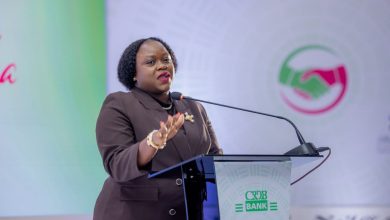
The remarks were made yesterday by the Minister for Communications and Information Technology, Angellah Kairuki, while opening the 2026 Investment Summit in Arusha on behalf of the Minister for Planning and Investment.
Ms Kairuki said TIGF has become the country’s key platform for project preparation and investment facilitation, playing an increasingly important role in mobilising capital for national development priorities.
She said Tanzania is strategically positioned to attract large-scale investments needed to realise Vision 2050, stressing that private-sector participation will be critical in financing major development projects.
According to her, the government has continued to improve the business and investment environment through policy and institutional reforms aimed at increasing participation by both local and foreign investors across key sectors.
“With more than 70 per cent of the resources needed for implementing our development priorities expected to come from the private sector, TIGF is an essential mechanism for connecting viable projects with sources of capital,” she said.
“Tanzania is ready for investment. We need partnerships, innovation and capital to accelerate projects that will benefit citizens and drive economic transformation.”
Ms Kairuki said the value of projects listed under TIGF has increased to more than 6.35 billion US dollars (about 16.6tri/-), up from 2.85 billion US dollars (about 7.4tri/-) earlier identified, reflecting a growing pipeline of investment opportunities.
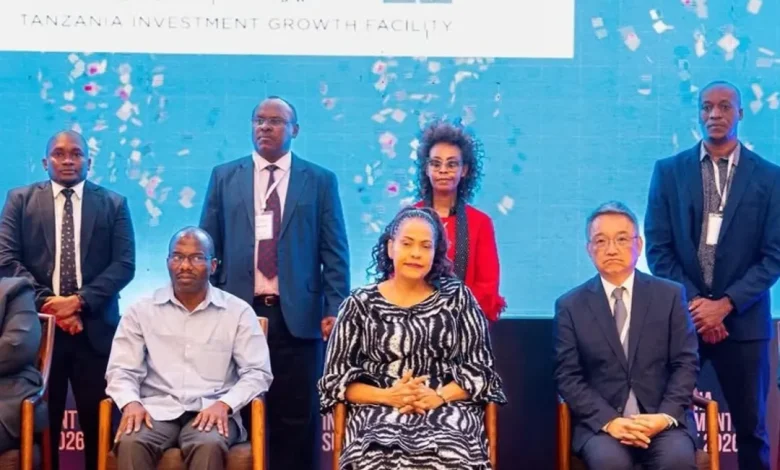
Deputy Minister in the President’s Office (Planning and Investment), Dr Pius Chaya, said the summit is part of efforts to accelerate implementation of Vision 2050 and the National Development Plan through stronger private-sector participation.
He said the government has continued strengthening coordination systems, legal frameworks and investment procedures to improve investor confidence.
“This summit is not merely a platform for discussion. It is a mechanism for generating bankable projects, linking investors and stimulating capital flows into strategic sectors,” Dr Chaya said.
The Executive Director of the Economic and Social Research Foundation (ESRF), Professor Fortunata Makene, said TIGF addresses a major gap in the availability of investmentready projects that meet financing standards.
She said Tanzania has abundant resources and a favourable investment climate, but success depends on the ability to develop attractive and bankable projects.
“We need to shift our mindset from dependence on aid to investment. That is the reason behind the establishment of TIGF,” she said.
UNDP Resident Representative in Tanzania, Shigeki Komatsubara, said global development now requires stronger collaboration between governments, the private sector and financial institutions.
He said UNDP supports TIGF because it helps transform investment opportunities into viable and fundable projects.
ALSO READ: Diaspora embrace investment opportunities through One-Stop Service clinics
“Tanzania has every reason to become one of Africa’s leading investment destinations due to its stability, resources and economic outlook,” he said.
ESRF Board of Trustees member, Ambassador Ami Mpungwe said success should be measured not by speeches but by investments and partnerships generated.
“We should use this opportunity to build long-term partnerships that attract capital, technology and expertise into development sectors,” he said.
The Permanent Secretary in Zanzibar’s Ministry of Blue Economy and Fisheries, Hamad Bakari Hamad, said port construction and rehabilitation remain key priorities under the blue economy agenda.