“I know my limit” The dangerous myth behind drink-driving
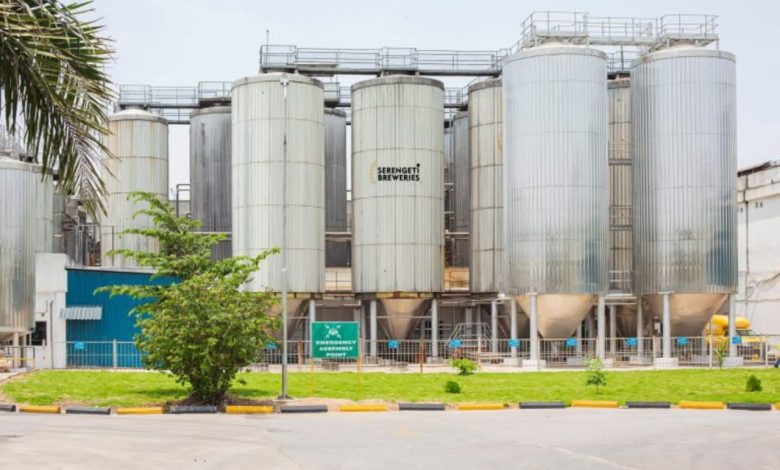
DAR ES SALAAM: “I KNOW my limit”- It is one of the common reasons alcoholic beverages consumers give themselves when deciding to drive after drinking. The statement results into perceived confidence for consumers and what happens thereafter may, at times, cause life-long regrets. Other reasons that consumers give themselves is that they “do not feel drunk”, or that they are “only a few minutes from home”.
These arguments may sound convincing in the moment. The problem is that they turn a serious road safety decision into a judgement based largely on how a person feels and that is where the danger begins.
Drink-driving is not only about how much alcohol someone believes they can handle. It is about the decision to get behind the wheel after drinking and the risk that decision can create for everyone else on the road.
A driver may be confident that they can make it home. The passenger sitting beside them, the pedestrian crossing the road or another driver coming from the opposite direction has no say in that decision. Yet they can all be affected by it.
This is why responsible drinking has to include what happens after the last drink. If you have been drinking, the safest decision is not to drive. Leave the car, choose a designated driver, arrange another form of transport or wait until you are fit to drive. The important thing is not to test whether you can make it home. It is to make sure you can.
This is the message Serengeti Breweries Limited (SBL) is reinforcing during Road Safety Week as part of its commitment to responsible drinking and safer roads.
For SBL, the responsibility does not stop at encouraging consumers to make safer choices. The company also believes that safety has to be reflected in its own operations. SBL, therefore, conducts vehicle safety checks monthly, covering key areas including brakes, tyres, lights, seatbelts, mirrors, fire extinguishers, first-aid kits, licensing and insurance cover, among others. Driver requirements, including valid licences and defensive-driving certification, are also checked, alongside the company’s zero-tolerance approach to drink-driving.
The checks are part of the company’s regular safety practice rather than something introduced specifically for the Road Safety Week.
“Responsible drinking is about making the right choice, particularly considering the fact that choices taken can affect other people. If you have been drinking, do not drive. Within our own operations, we also take safety seriously through regular vehicle checks every month. For us, the checks are something we do only during the Road Safety Week, they are a part of our operations.,” said Juanita Mramba, SBL’s Director of Corporate Relations.
That approach is important because road safety is not only about what happens when a vehicle is already on the road. It also starts before the journey. A vehicle needs to be fit for use, a driver needs to be in a position to drive safely and decisions about alcohol and transport need to be made before someone takes the wheel.
For people who drink, planning ahead can remove the temptation to drive. It is easier to make the right choice when there is already a plan for getting home.
The same thinking applies to businesses. Companies that operate vehicles have a responsibility to make sure those vehicles are maintained and that drivers meet the required standards. For SBL, the regular checks are one way of making that responsibility part of everyday operations.
Road Safety Week provides a useful moment to bring the issue back into public attention, but the message is not limited to one week. The next time someone thinks, “I know my limit,” the better question is whether knowing that limit is really enough reason to drive, because the answer is always not. If alcohol is part of the evening, the journey home should be planned without the driver’s seat.