How integrated systems are crucial in extractive industry
DAR ES SALAAM: AS Tanzania attracts growing investment in its extractive industries, timely valuation and compensation are becoming increasingly important for communities affected by mining projects, whose livelihoods and future development depend on clarity over their land and property.
Valuation is a crucial step in determining compensation for land, homes, crops and other assets affected by mining activities. However, prolonged processes can leave communities in limbo, particularly when residents are advised against undertaking major developments in areas earmarked for investment.
The situation in Epanko, Mahenge, Morogoro, illustrates some of these challenges. Residents have raised concerns over the pace of investment processes and their implications for livelihoods and community development.
According to citizen representative from Epanko village, Manfred Mkopa, residents have undergone three valuation exercises since 2014, with the latest conducted on June 9, 2023.
He adds the village has been assessed three times from 2014 to date. The first two valuations were conducted in 2014 and 2017, and eventually the latest valuation was conducted on June 9, 2023,” he says.
For residents, the prolonged process can make it difficult to make longterm decisions. People may hesitate to build permanent houses, establish businesses or invest in farms when they are uncertain about the future of their land.
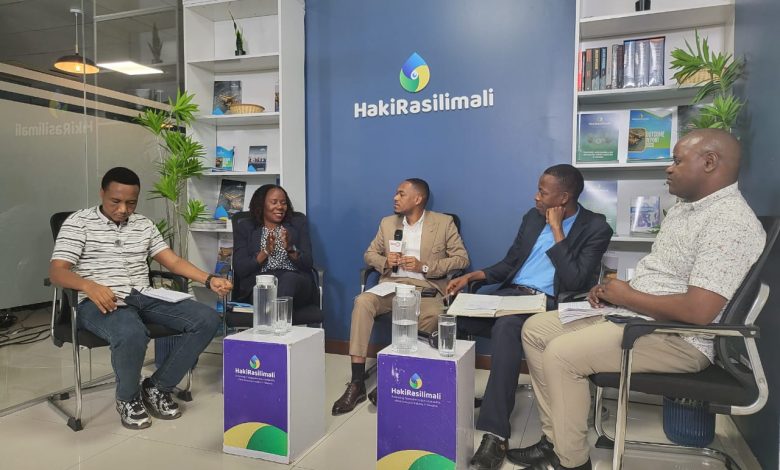
During a dialogue organised by HakiRasilimali under the theme ‘Community Rights and Natural Resource Governance: Strengthening Access to Justice in Tanzania,’ in Dar es Salaam recently, CHRAGG Principal Investigation Officer and Focal Person, Jovina Muchunguzi, said prolonged valuation processes should also be examined from a human rights perspective.
She says communities need clear information about processes affecting their land, particularly where they are expected to wait before undertaking development activities.
“If valuation takes a long time and affects the continuation of community development activities, we have to look at it,” she said.
Muchunguzi says residents subjected to restrictions naturally need to know how long they will remain in that position and when compensation will be paid.
“When you prohibit a citizen from continuing with social development activities, the citizen asks: How long will I be prevented from developing my area? In other words, when will my compensation come?” she said.
For CHRAGG, mining investment should not automatically bring essential community development to a standstill while residents await completion of the investment process.
Muchunguzi calls for stronger coordination among institutions responsible for mining licences, land administration, valuation, compensation and social services.
She said clear systems are needed to define responsibilities at every stage and ensure that the rights of affected communities are protected.
She also emphasises the importance of involving local authorities and people with knowledge of affected communities in valuation and compensation processes.
A person conducting a valuation may not necessarily be responsible for implementing compensation, she explained.
Local knowledge can help identify legitimate interests in land and ensure that compensation reaches the rightful beneficiaries.
Beyond valuation, CHRAGG has called for greater scrutiny of investors’ financial and technical capacity before licences are issued.
Muchunguzi says authorities should be satisfied that investors have the ability to develop allocated areas within a reasonable period, noting that prolonged investment processes can create uncertainty, especially where companies change ownership or names before planned activities are completed.
ALSO READ: Kenya’s $62 billion gamble: A new battlefield for US–China competition over critical minerals
Access to justice remains another important consideration. Muchunguzi urged rural communities to understand that CHRAGG is available to receive complaints concerning human rights and good governance, stressing that the Commission should not be seen as an institution accessible only to urban residents.
Communities must be part of the process Muchunguzi says meaningful participation should begin at grassroots level through village government structures and continue throughout the investment process.
Residents should be given opportunities to understand proposed projects, provide information, raise concerns and participate in finding solutions.
Such engagement, she said, can strengthen trust among communities, Government authorities and investors while making valuation and compensation processes more transparent and effective.
Her views were echoed by Lindi Association of NonGovernmental Organisations (LANGO) Executive Director, Michael Mwanga, who stresses the importance of systems that enable all groups in society including women, youth, farmers, pastoralists and people with disabilities to participate fully.
“Decisions made without taking into account the needs of these groups could leave some of them more vulnerable after losing their land, water sources or other areas that are vital to their livelihoods,” he stresses.