Reckless drivers must stop turning roads into cemetaries
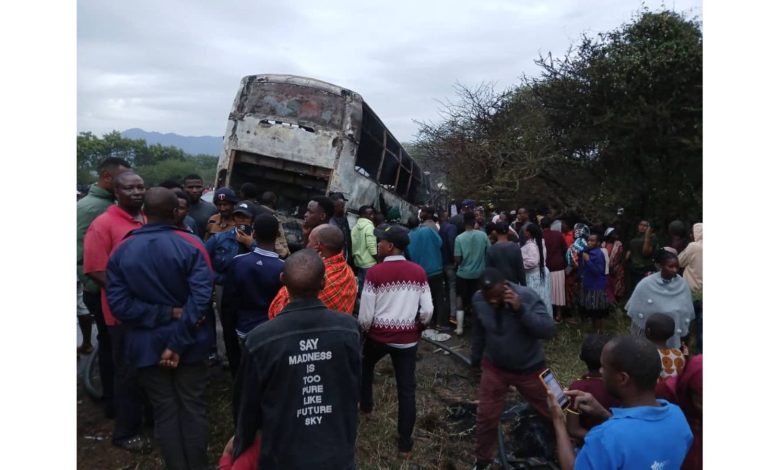
DAR ES SALAAM: EVERY road death is a tragedy, but deaths caused by reckless driving are an outrage that demands immediate government action. Behind every victim is a grieving family, shattered dreams and a future stolen in seconds. How many more innocent lives must be lost before road madness is brought under control?
For instance, the Morogoro accident On Friday raises painful questions. Why did it have to happen? Could it have been prevented? While investigations must establish the facts, every road tragedy should remind us that negligence, excessive speed and contempt for traffic rules can turn ordinary journeys into disasters.
Worse, the bodaboda industry, which provides employment and essential transport services, appears increasingly vulnerable to indiscipline. Some riders weave dangerously through traffic, overtake recklessly, speed excessively, carry oversized luggage and overload their motorcycles. Others operate without helmets or valid licences, placing themselves, passengers and other road users in grave danger. These violations are not minor mistakes; they can be fatal decisions. An industry that should offer opportunity must not become a refuge for those who disregard human life. Responsible riders deserve respect, but those who treat public roads as personal racing tracks must face the consequences. The law must distinguish between hardworking professionals and reckless operators.
Alarmingly, similar behaviour appears among some drivers of larger vehicles, including lorries. It is as though dangerous habits acquired on motorcycles follow certain individuals into heavier vehicles, where the potential for mass casualties is even greater. Aggressive overtaking, speeding and disregard for other motorists have become frightening experiences on roads across the country.
Innocent motorists should not have to fear fellow road users more than the hazards of the journey itself. Pedestrians, passengers and drivers all deserve to reach their destinations alive. No economic hardship, occupational pressure or desire to make extra trips justifies gambling with human lives.
The government, as custodian of public safety, must act decisively. Police and transport authorities should enforce licensing, helmet, loading, speed and roadworthiness requirements without fear or favour. Repeat offenders must face firm penalties, while unlicensed operators and dangerously overloaded vehicles should be removed from the roads. Education, inspections and sustained enforcement must go hand in hand.
Riders, drivers, employers and passengers also have a duty to reject dangerous conduct and report violations.
Tough enforcement is not persecution; it is protection. Let the Morogoro tragedy awaken the nation. The government must be uncompromising with reckless road users, regardless of their occupation or influence. Every preventable death is one too many. Our roads must connect communities, not families to funeral homes.