Tanzania’s crown must open doors for talent
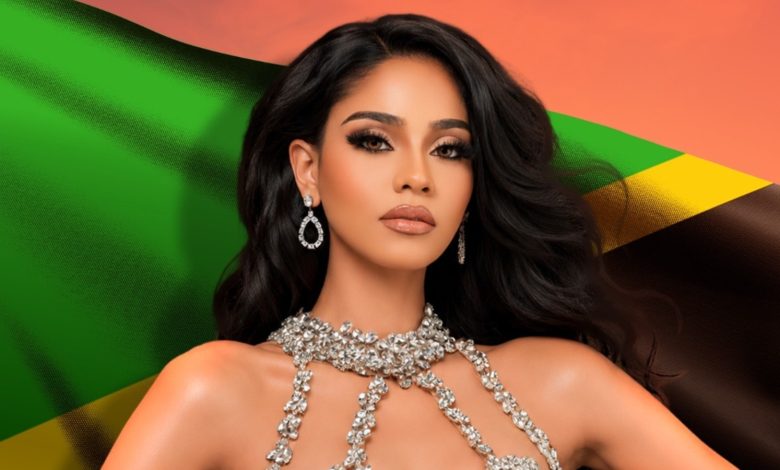
DAR ES SALAM: TANZANIAN beauty queen Jihan Dimachk made history on Saturday by beating 75 contestants to win the coveted Miss Grand International 2026 crown in Bangkok, Thailand. As the first African woman to claim the title since the pageant began, her victory puts Tanzania and East Africa in the global spotlight.
But beyond the national pride, the achievement raises a bigger question: how can Tanzania turn this international recognition into lasting opportunities for its talent and creative industries?
The victory in Bangkok, Thailand, where Dimachk competed against contestants from around the world, demonstrates that Tanzanian talent can command attention on a global stage. It also challenges the tendency to present the country internationally primarily through its wildlife, natural attractions and traditional economic strengths.
Cultural visibility matters in a world where countries compete not only for tourists and investment but also for attention, influence and recognition. Dimachk’s success offers an opportunity to showcase Tanzanian fashion, design, modelling and other creative expressions to audiences that might otherwise have little exposure to them.
But visibility alone does not guarantee economic returns. The real test is whether this moment can help build a stronger domestic modelling and fashion industry, create professional opportunities for young people and connect local talent with international markets.
Tanzania has considerable potential to develop its creative economy. Its youthful population, cultural diversity and expanding digital connectivity provide a foundation. Realising that potential, however, requires investment in professional training, mentorship, talent management, fashion design and access to reputable international agencies.
Government institutions responsible for culture, tourism and investment promotion could explore ways to use this achievement to showcase Tanzanian creativity abroad. Fashion businesses, event organisers, media organisations and sponsors could help emerging models and designers gain exposure, professional partnerships and commercial opportunities.
Such efforts must go beyond congratulatory statements and shortlived publicity. Their success should be measured by tangible outcomes, including international bookings, partnerships, opportunities for local designers and stronger support systems for emerging talent.
Professional standards are equally important. Aspiring models need reliable guidance, transparent contracts, protection against exploitation and fair access to opportunities. A sustainable industry must reward talent, discipline and professionalism.
Dimachk deserves recognition for an achievement that has broken new ground for Africa. Tanzania’s greater task is to build on that success.
ALSO READ: Jihan brings home glory
The crown will eventually pass to another winner. The lasting achievement would be to create an industry in which more Tanzanians can compete internationally, earn a sustainable living and carry the country’s creativity to the world.
National pride is justified. Turning that pride into opportunity is the task ahead.