El Niño rains demand action before disaster
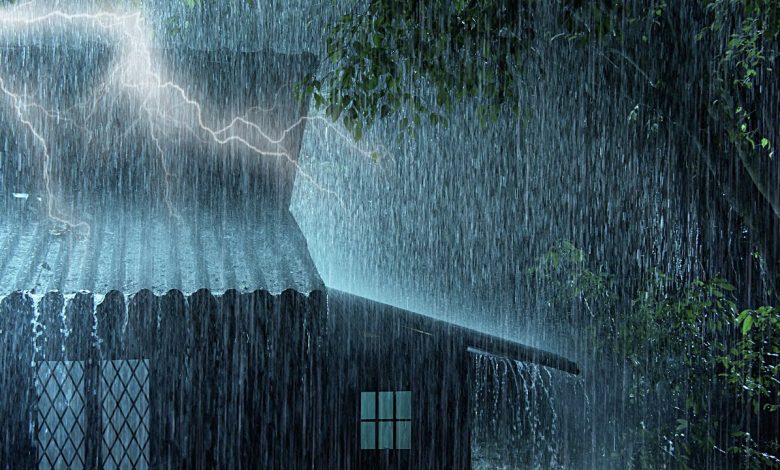
DAR ES SALAAM: WARNINGS about an approaching season of potentially heavy El Niño rains should not be treated as routine weather chatter. The message from climate experts is clear: preparedness must begin before the first torrents arrive. The World Meteorological Organization says El Niño is firmly established and expected to strengthen further, with major shifts in rainfall patterns and increased risks of extreme weather.
Tanzania, the Tanzania Meteorological Authority (TMA) warns that the October–December 2026 Vuli rains will be strongly influenced by a strong El Niño, with above-normal to normal rainfall expected in several areas, including parts of the northern coast, northeastern highlands, Lake Victoria basin and northern Kigoma. TMA also expects rains to begin around late September or early October in some areas, with increased rainfall in November.
This is not a prediction that every road will flood or every river will overflow. It is a call to respect risk, follow official updates, and prepare sensibly. Communities should clear drainage channels, protect essential documents, identify safer routes and agree on where children should go if conditions deteriorate. Families should teach children never to play near swollen waterways, culverts, bridges or drainage channels. Even familiar paths can become dangerous within minutes.
Motorists, especially those driving at night, must resist the temptation to cross moving water simply because a road appears passable. Water can conceal potholes, broken roadbeds, debris or strong currents, making depth difficult to judge. A stream that looks shallow may rise rapidly upstream after rain and become impassable downstream. Never assume familiar crossings are safe. Pupils should travel on routes approved by schools and parents, avoid shortcuts near waterways and obey warnings.
Leaders, including political officials, faith leaders, teachers, employers and other influential voices, have a vital duty to preach caution consistently and clearly. They should translate forecasts into practical guidance, encourage households to prepare, and discourage dangerous bravado or rumours. Public communication should reassure without minimizing the threat: preparedness is not panic; it is responsible citizenship. Local authorities should keep evacuation routes identified, drainage systems monitored and warnings accessible in local languages.
ALSO READ: Tanzania orders thorough inspection of roads and bridges heading to El Niño rains
Rescue forces and emergency services must prepare early. They should check equipment, communications, boats where appropriate, trained personnel and medical supplies. Nobody knows precisely what may happen once intense rains begin, so readiness must come before emergencies. Citizens can help by reporting rising water, checking vulnerable neighbours and following instructions. Stay informed, stay calm, avoid unnecessary risks.