Digital payments without digital readiness? The risks behind TZ’s bold financial reform
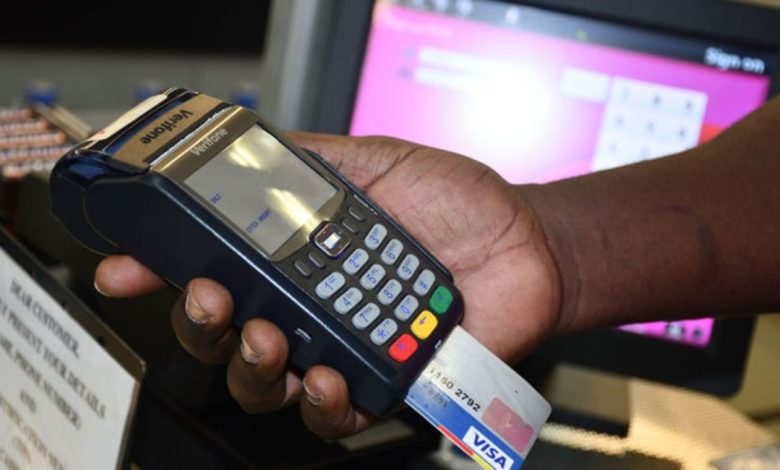
DAR ES SALAAM: THE government’s move to require electronic payments for a wide variety of transactions represents one of the most major reforms to the country’s payment system since mobile money was first introduced.
The Electronic Transactions (Mandatory Electronic Payments for Specified Transactions) Order, 2026, that took effect on July 1 this year, prohibits cash payments for a range of transactions such as public transport, shopping malls, hotels, restaurants, educational institutions, fuel stations, property deals, vehicle sales, tourism and agriculture.
Companies in these sectors have six months to establish compliant electronic payment systems.
The reform represents a notable shift from encouraging digital payments to making them mandatory.
It aligns Tanzania with the worldwide move towards cashless economies, which improve efficiency, transparency and tax compliance via digital transactions.
Nonetheless, as with any structural change, it presents both opportunities and challenges.
The outcome will hinge not only on the legal mandate but also on the country’s ability to implement it in a fair, cost effective and secure manner.
This initiative signals a new stage of financial formalisation, with the main goal of making the economy more transparent. Cash transactions, traditionally hard to track, can lead to tax evasion, money laundering, corruption, and informal activities.
Implementing mandatory electronic payments generates digital transaction records, making it easier for tax authorities, regulators and financial institutions to track economic activity.
In Tanzania, given that a significant part of employment and business activity occurs within the informal economy, this reform could substantially broaden the tax base without increasing tax rates.
As additional businesses outside the formal financial system emerge, this will boost government revenue and foster a fairer competitive environment among companies.
Digital records are equally vital because they provide businesses with access to their financial histories.
This information can help secure loans, insurance and other financial services. Small businesses that previously struggled to demonstrate their turnover might find it easier to acquire working capital from banks and lenders.
Tanzania is a frontrunner in mobile money adoption in Africa, with millions of people regularly using digital wallets for transfers and bill payments.
Making electronic payments mandatory could boost this development by encouraging more citizens to use formal financial services.
Electronic payments reduce risks linked to cash handling, especially for businesses with high daily revenue. Hotels, fuel stations, transport companies and retailers can gain from less theft and better efficiency through automated reconciliation and digital bookkeeping.
The order supports the government’s long-term vision of developing a modern digital economy, featuring quicker, more transparent transactions that are easier to oversee and enhancing public financial management. Importantly, this reform has the potential to substantially improve public finance management.
In line with the formalisation initiative, electronic transactions establish an audit trail that reduces leakages and boosts accountability.
Government agencies, local authorities, and public institutions can better reconcile payments, lowering the risk of revenue diversion.
The benefits extend beyond taxation. Accurate transaction data improves economic statistics, aiding policymakers in making better fiscal and monetary decisions.
ALSO READ: Tanzania mandates digital payments for key transactions
Mandatory electronic payments, although supporting innovation in financial technology, are anticipated to increase investment in the sector.
Banks, mobile network operators, fintech companies and payment service providers will compete to offer more efficient payment solutions, improved customer experiences and innovative digital products.
This increased competition could result in lower transaction costs and broader financial inclusion.
The policy could also promote additional investment in payment infrastructure, such as point-of-sale devices, QR code systems and digital payment platforms, thereby supporting Tanzania’s Digital Economy Agenda.
Digital payments worldwide are fundamental to digital commerce, supporting e-commerce, online travel bookings, electronic ticketing, ride-hailing and digital government services through secure electronic payment systems.
Tanzania’s requirement for digital payments in various sectors is establishing a foundation for wider digital transformation.
This move has the potential to make the country more attractive to investors looking for stable, transparent and tech-driven business settings. The challenges cannot be overlooked.
While these benefits are promising, implementing them involves notable obstacles. The most significant concern is the increased costs for consumers and businesses, especially due to transaction expenses.
The Order does not specify who should cover electronic transaction charges. Usually, these costs will mostly be borne by consumers or businesses.
For low-income households making frequent small purchases, transaction fees could add to their financial challenges.
Similarly, small businesses might encounter higher operational expenses due to payment processing fees, bank charges, equipment purchases and system upkeep. Unless these costs are addressed, the reform risks making digital payments less attractive than cash.
Digital infrastructure remains uneven, hampering the transition to a cashless economy. Rural regions often struggle with limited internet, unreliable power, and inconsistent mobile coverage.
These network disruptions can cause payment failures, affecting transport, retail and other essential services.
Implementing mandatory electronic payments nationwide could be challenging without substantial investment in telecommunications and electricity infrastructure. Importantly, cybersecurity and fraud risks will remain a key challenge.
As electronic transactions increase, so do cyber risks. Financial fraud, phishing, identity theft and hacking pose major global threats.
Consumers who lack digital security knowledge are particularly vulnerable. It’s essential for governments, banks and mobile providers to strengthen cybersecurity measures and raise public awareness. Failing to do so could lead to a decline in trust in digital payments.
The impact on small informal businesses also requires attention. Many micro-enterprises still depend heavily on cash transactions.
Small restaurants, market traders, informal transport operators and rural businesses often lack the financial resources or technical expertise needed to set up compliant electronic payment systems within the six-month transition window.
If implementation is too rigid, some businesses could face compliance difficulties or even temporary exclusion from formal economic activity.
Discussions around consumer choice and system resilience often focus on mandatory cashless policies.
Critics argue these policies limit consumer options, as electronic payment systems can experience outages, technical failures or cyberattacks, potentially disrupting business when cash isn’t an option.
Therefore, it’s essential to have contingency plans for emergency scenarios.
The key focus should be on what the government needs to do to ensure swift execution, so the benefits outweigh the challenges. To maximise gains and reduce unintended effects, Tanzania should evaluate five complementary strategies as follows.
Start by negotiating lower transaction fees with banks, mobile money operators and payment service providers to keep costs affordable.
Then, prioritise investments in rural telecommunications, electricity and digital infrastructure before implementing full enforcement. Third, strengthen cybersecurity regulations and consumer protections to secure digital transactions.
Fourth, provide financial incentives or technical support to small businesses adopting electronic payment systems during the transition.
Finally, launch nationwide digital financial literacy campaigns to educate consumers about the benefits and risks of electronic payments.
The Electronic Transactions (Mandatory Electronic Payments for Specified Transactions) Order, 2026, is more than a payment reform; it is a strategic initiative aimed at transforming Tanzania’s economy.
It formalises commerce, boosts transparency and fosters digital innovation to achieve long-term advantages such as a stronger tax system, wider financial inclusion, better access to finance, lower corruption, increased efficiency and higher investor confidence.
However, mandatory digital payments alone are not enough to build a successful cashless economy.
It also requires low transaction costs, reliable infrastructure, robust cybersecurity, strong institutions and public confidence. Ultimately, Tanzania’s shift from cash should be judged not by how quickly people stop using banknotes but by whether digital payments are cheaper, more secure, more inclusive and easier to use than cash.
Achieving these standards could make this reform one of the most significant economic policies of the decade. On the other hand, ignoring these factors might widen the gap between those with digital access and those without.