Collective call to elevate sporting infrastructure
DAR ES SALAAM: THE development of sports infrastructure is often viewed as a government responsibility, yet this perception must evolve.
The task of building, improving, and sustaining sporting venues is not the duty of the state alone; it is a collective obligation that calls for the active participation of private stakeholders, organisations, communities and sports enthusiasts alike.
When we invest in sports facilities, we are not merely constructing physical structures; we are shaping opportunities, nurturing talent and strengthening national pride.
Encouragingly, Tanzania has witnessed commendable efforts from various stakeholders who have stepped forward to complement government initiatives.
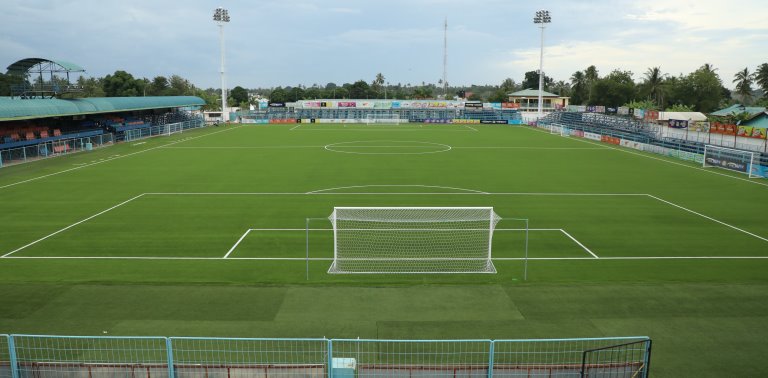
Facilities such as Azam Complex, now upgraded with a hybrid pitch, stand as a testament to what focused investment can achieve. Likewise, Major General Isamuhyo Stadium, managed by the Tanzania People’s Defence Force, demonstrates how institutional involvement can contribute meaningfully to sports development.
Other notable venues, including Majaliwa Stadium, Airtel Stadium, Kaitaba Stadium, and KMC Complex, reflect a growing commitment to improving the nation’s sporting landscape.
Across the country, the number of pitches has increased significantly, many equipped with floodlights that enable matches to be played at night. This progress is laudable.
However, an important question arises: do these facilities meet international standards, particularly those set by FIFA? If not, then the responsibility falls upon all of us, government and stakeholders alike, to bridge that gap.
Adequate lighting, quality playing surfaces, and modern amenities are not luxuries; they are necessities for hosting competitive matches and developing athletes capable of excelling on continental and global stages.
ALSO READ: Call for special budget to support children with albinism
Looking beyond our borders, clubs in many developing countries have benefited immensely from strong stakeholder investment. Private sector involvement, sponsorships and community-driven initiatives have transformed modest grounds into world-class facilities.
These examples should inspire us to act with urgency and ambition. Tanzania possesses immense sporting potential, but unlocking it requires deliberate and sustained investment in infrastructure.
It is also vital to recognise that building facilities is only the beginning. Maintenance is equally, if not more, important. Too often, newly constructed venues fall into disrepair due to neglect and insufficient funding for upkeep.
A high-quality pitch today can quickly deteriorate without proper care, undermining both performance and safety. Stakeholders must therefore adopt a long-term perspective, one that prioritises sustainability, regular upgrades, and adherence to international standards.