Chande Commission links Oct 29 violence to deep-rooted grievances, political Incitement
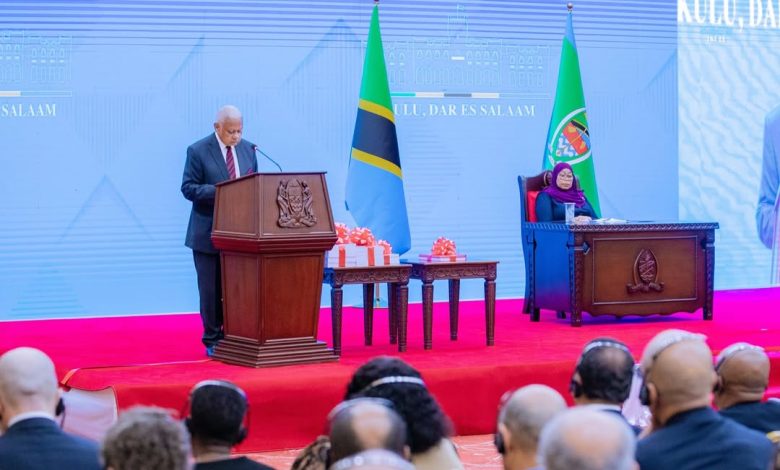
DAR ES SALAAM: FINDINGS from the commission of inquiry into the October 29 unrest were formally presented at State House in Dar es Salaam, with Commission Chair Judge Chande outlining a mix of long-standing structural issues and immediate triggers that culminated in the violence.
According to the report, the roots of the unrest had existed for years but intensified in the lead-up to the events. Politically, the commission cited persistent demands for constitutional reforms, concerns over shrinking democratic space, calls for an independent electoral body, and proposed changes to election laws as key underlying tensions.

On the socio-economic front, the report highlighted widespread hardship, including unemployment, a difficult business environment, and the burden of multiple taxes and levies. Social factors were also flagged, such as declining moral standards, reduced sense of patriotism, incidents of abductions and enforced disappearances, and a perceived lack of effective responses to public grievances.
The commission further pointed to poor service delivery by some government officials—particularly at lower levels of local administration—as a source of public frustration that contributed to rising anger among citizens.
Additionally, the report noted that international dynamics may have played a role, suggesting that some foreign interests target resource-rich countries with strategic agendas that can exacerbate internal instability.
In examining the immediate triggers, the commission identified political actors and activists as key drivers of escalation. It found that certain individuals used slogans, public statements, and organized platforms to mobilize support for election boycotts and unrest. Witnesses reportedly told the commission that they had been provided with mobile phones to record and disseminate images and videos aimed at fueling tensions.
Specific political slogans, including “No Reforms, No Election” and “Samia Must Go,” were cited as examples of messaging that heightened emotions and mobilized groups.
ALSO READ: Why the 4Rs matter more than ever for Tanzania
The report also revealed that some individuals who were unsuccessful in party primary elections allegedly encouraged their supporters to take part in the disturbances.
The commission’s findings paint a complex picture of the October 29 events, pointing to a convergence of systemic challenges and deliberate mobilization efforts that ultimately led to the outbreak of violence.