A new chapter for Tanzania’s logistics sector
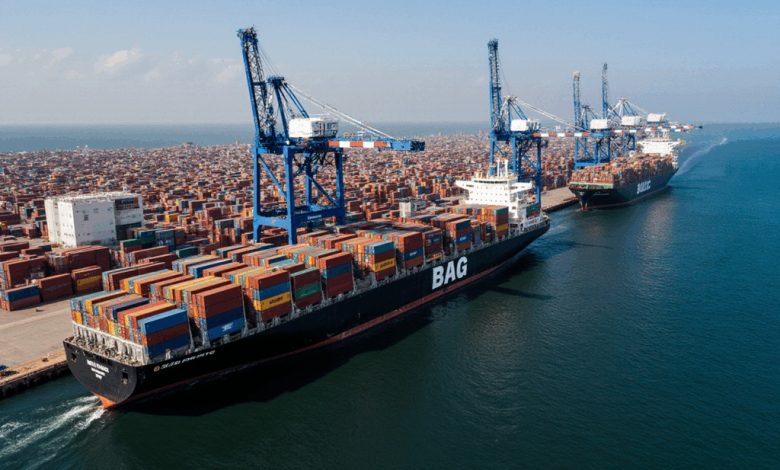
DAR ES SALAAM: TANZANIA is approaching a critical turning point in its logistics and transport system. The decision to begin moving cargo directly from the Port of Dar es Salaam through the Standard Gauge Railway (SGR) represents more than just a technical upgrade; it signals a strategic shift that could redefine the country’s role as a regional trade hub.
For decades, the Port of Dar es Salaam has served as a lifeline for Tanzania and several landlocked neighbouring countries. Yet congestion, slow cargo clearance and costly handling procedures have often limited its full potential. The current system, which requires cargo to be transported to inland depots such as Pugu before being transferred onto SGR trains, has created inefficiencies and unnecessary costs for traders.
The plan to load containers directly onto SGR freight trains at the port is therefore a welcome and long-overdue reform. By eliminating double handling, the new arrangement will shorten transit times, lower logistics costs and improve the reliability of supply chains for both local and regional businesses.
Efficiency in logistics is a key determinant of economic competitiveness. Countries that move goods quickly and cheaply attract more trade and investment. In this context, the integration of the SGR with the Port of Dar es Salaam strengthens Tanzania’s ambition to become the preferred gateway for regional markets, particularly for landlocked countries such as the Democratic Republic of Congo, Zambia, Rwanda and Burundi.
The figures already emerging from port reforms demonstrate what improved infrastructure and management can achieve. Over the past five years, cargo handled at the port has increased significantly, while revenue collected by the Tanzania Ports Authority has more than doubled. These gains suggest that the reforms introduced since 2017 are beginning to bear fruit.
However, infrastructure development must move hand in hand with efficient coordination among institutions. The success of the direct SGR cargo system will depend heavily on seamless cooperation between the Tanzania Ports Authority, the Tanzania Railways Corporation and road infrastructure agencies. Without proper coordination, new bottlenecks could simply replace the old ones.
Equally important is the need to continue expanding port infrastructure to match growing demand. The construction of new berths and the development of the Kurasini logistics area are encouraging steps that will help increase container capacity and reduce congestion. Still, sustained investment will be necessary if the port is to keep pace with rising trade volumes.
ALSO READ: SGR cargo link to ease congestion at Dar Port
Tanzania must also remain mindful of competition from other regional ports. Countries across East and Southern Africa are investing heavily in logistics corridors aimed at attracting international cargo flows. To maintain its competitive edge, Tanzania must focus not only on infrastructure but also on service quality, transparency and speed of operations.
The trains may soon begin moving cargo directly from the port, but the broader journey toward becoming a regional logistics powerhouse is only just beginning.