Tanzania should embrace LPG-powered vehicles to ease fuel burden
DAR ES SALAAM: THE persistent rise in petroleum fuel prices continues to place heavy pressure on Tanzania’s economy, affecting transport costs, business operations and the cost of living for ordinary citizens.
Every increase in petrol and diesel prices quickly translates into higher fares, expensive food supplies and increased production costs across various sectors. At a time when the country is seeking practical and sustainable solutions to strengthen economic resilience, Tanzania has an opportunity that deserves serious attention, embracing Liquefied Petroleum Gas (LPG) as an alternative fuel for vehicles.
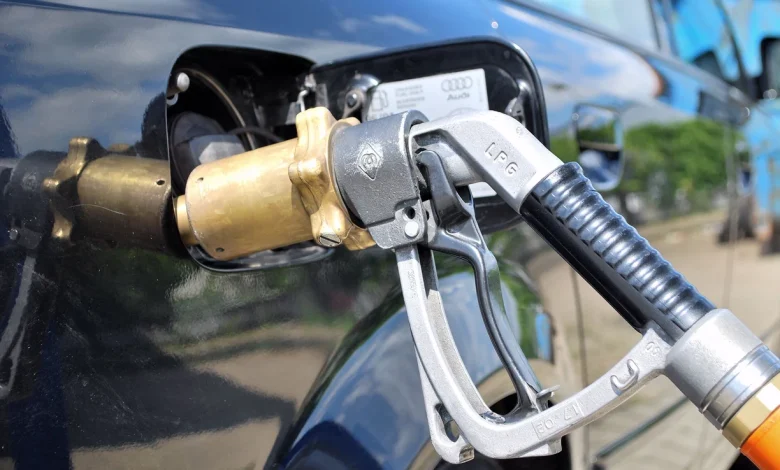
For many Tanzanians, LPG is already familiar as a household cooking fuel. However, its potential extends far beyond kitchens. Around the world, LPG-powered vehicles have proven to be economical, environmentally friendly and reliable. Countries in Europe, Asia and parts of Africa have increasingly adopted autogas systems to reduce dependence on conventional petroleum fuels. Tanzania can similarly benefit by making use of its locally available LPG resources.
One of the strongest arguments for adopting LPG-powered vehicles is the economic advantage. Petrol and diesel prices are heavily influenced by global oil market fluctuations, geopolitical tensions and international shipping costs.
Since Tanzania imports significant amounts of petroleum products, the country remains vulnerable to external shocks beyond its control. LPG, on the other hand, offers an opportunity to reduce this dependency and shield motorists from volatile fuel prices.
Vehicle owners stand to gain considerably from LPG conversion. Running a vehicle on LPG is often cheaper than using petrol or diesel, allowing drivers, transport operators and businesses to reduce fuel expenditure.
Public transport operators, including taxis, ride-hailing services and commuter buses, could lower operational costs and potentially ease fare increases that burden passengers.
Reduced transport expenses would also help stabilise prices of agricultural produce and manufactured goods that depend heavily on road transport. Beyond individual savings, widespread LPG use in transport could generate broader economic benefits. Tanzania spends substantial foreign exchange on importing petroleum products. By promoting locally available LPG, the country can reduce pressure on foreign currency reserves and improve the balance of payments.
Urban centres like Dar es Salaam experience increasing traffic congestion and air pollution, which contribute to respiratory illnesses and environmental degradation. Encouraging LPG-powered vehicles would support cleaner cities and healthier communities while aligning with global efforts to reduce carbon emissions.
Nevertheless, the transition to LPG-powered transport cannot occur automatically. It requires deliberate government policy and private sector participation. Investment in LPG refuelling infrastructure is essential to ensure motorists can conveniently access the fuel across the country. Incentives such as reduced taxes on conversion kits, favourable financing and supportive regulations could encourage vehicle owners to adopt the technology. Public education is equally important to address misconceptions and assure citizens about the safety and efficiency of LPG systems.
ALSO READ: Get ready as Tanzania nears launch of gas exploration blocks auction
The choice before Tanzania is clear. By investing in LPG-powered vehicles, the nation can lower transport costs, reduce import dependence, improve air quality and build greater energy security. Rising fuel prices should not only be viewed as a challenge but also as an opportunity to embrace smarter and more sustainable energy solutions. LPG may well become one of the country’s most practical pathways toward affordable and resilient transport.