Keep our culture, know our roots
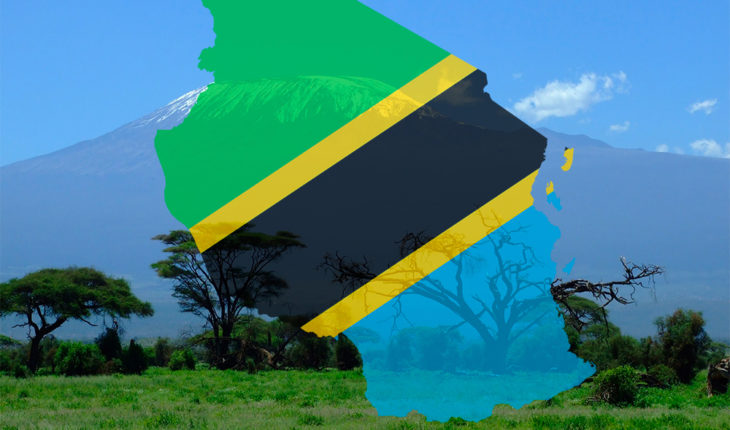
DAR ES SALAAM: A NATION that forgets its culture risks losing an important part of its identity. Our traditions, languages, food, dress, music, stories and history tell us where we come from and help us understand who we are.
They should not be treated as things of the past. They should be preserved, practised and passed on to the next generation.
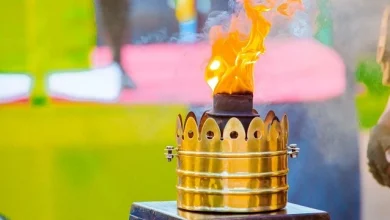
The Fourth National Cultural Festival provide an important opportunity to do exactly that. These kind of festivals are more than occasions for entertainment and celebration.
They create a space where people can learn about the different cultures that make up our nation, appreciate their value and share them with others.
Culture is best understood when it is experienced. Food can tell the story of a community and its way of life. Traditional dress can reflect history, values and craftsmanship.
Music and dance can preserve stories and traditions that have been passed down through generations.
History helps us understand how communities developed, what they experienced and how those experiences shaped the country we know today.
For the younger generation, these festivals can be a classroom outside the classroom. Many young people are growing up in a rapidly changing world, influenced by technology, global entertainment and lifestyles from other parts of the world.
There is nothing wrong with learning from the wider world. But this should not come at the expense of knowing our own roots.
ALSO READ: Dr Ndumbaro: Why we should value, preserve our culture
Parents, teachers, community leaders and young people themselves all have a role to play. It is not enough to tell young people that culture is important.
We must give them opportunities to see it, taste it, hear it and take part in it. Cultural festivals provide such an opportunity.
Participation should therefore go beyond attending performances. Visitors should take time to learn about the people and traditions represented at the festival.
They should ask questions, listen to stories, learn about traditional foods and understand the meaning behind different forms of dress, music and dance.
Such engagement can build respect and strengthen a shared sense of belonging. At the same time, celebrating culture does not mean refusing to change.
Traditions can be preserved while communities continue to develop. What matters is that progress does not lead us to abandon the knowledge and practices that connect us to previous generations.
The Fourth National Cultural Festival should remind us that culture belongs to everyone. It is a responsibility shared across generations.