Mining Commission showcases strategic investment opportunities in Dar, Coast
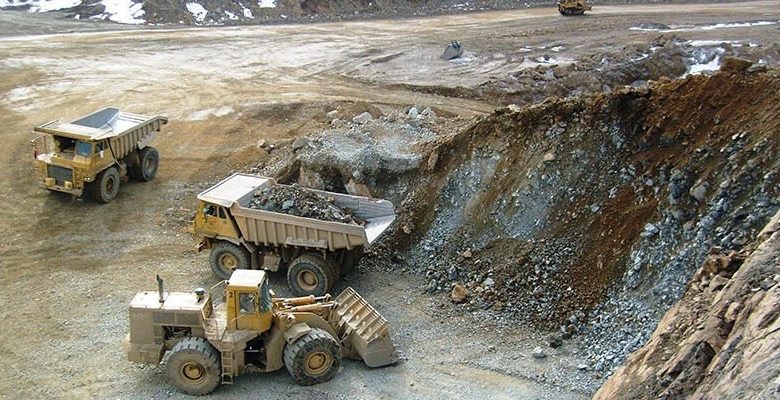
DAR ES SALAAM: THE Mining Commission remains central to the sector’s sustained success, exercising comprehensive oversight across the entire mineral value chain. Its mandate is multifaceted, encompassing the issuance of licences, the rigorous monitoring of field operations, and the enforcement of stringent safety and environmental standards.
By strategically managing trade and promoting high-value investment, the Commission ensures Tanzania’s mineral wealth translates into sustainable benefits for both the government and its citizens.
A primary focus of this analysis is the burgeoning geographical economic corridor of Dar es Salaam and Coast regions. These contiguous regions are currently positioned for a significant industrial transformation, underpinned by vast deposits of construction and industrial minerals.
In 2026, the formal and transparent exploitation of these resources stands as a cornerstone of the national strategy to maximise revenue, attract foreign direct investment, and catalyse broader industrialisation. This substantial investment potential was detailed during a recent executive engagement session hosted by the astute Resident Mines Officer for Dar es Salaam and Coast regions, Lameck Masanja.
The meeting served as a central pillar of the Mining Commission’s strategic drive to publicise vast opportunities in investment, logistics management, and transportation to a diverse audience of local and international stakeholders. Strategic mapping of regional mineral wealth Dar es Salaam and Coast regions host a sophisticated variety of mineral deposits essential for modern infrastructure and industrial manufacturing.
The current geological profile presents several high-value entry points for private sector investment, supporting both local demand and export markets. Limestone: As a foundational element of the construction sector, limestone is actively mined in Kigamboni and Wazo Hill (Dar es Salaam), alongside key sites in Tulawanda and Lugoba (Coast Region).
This abundance forms the basis for existing cement production and invites further processing ventures. Feldspar and quartz: Sourced primarily from Chalinze (Coast Region), these minerals are critical for the domestic production of tiles and steel bars.
A significant portion of the high-purity quartz is prepared for high-demand export markets. Kaolin: Extracted from Pugu Hills, it serves a versatile role as a vital filler and coating agent for paper, ceramics, cosmetics, and paint industries, highlighting its multi-sector applicability.
ALSO READ: From Dar to Moscow: How Samia’s historic visit realigns Tanzania’s economic future
Salt, silica, and heavy mineral sands: Significant salt production centres exist in Mkuranga and Bagamoyo. Silica, essential for food additives and industrial applications, is also sourced from Mkuranga, while heavy mineral sands, abundant along the coastline, provide raw materials for paints and specialised hardware manufacturing.
Mr Masanja clarified the composition of these resources, noting, “More than 65 per cent of the industrial minerals we track are construction minerals such as pebbles, sand, and rubbles,” highlighting substantial pebble deposits also found in Lugoba. Further sophisticated analysis of heavy mineral sands reveals commercially valuable derivatives: ilmenite (used in paints and coatings), zircon (used in jewellery), and titanium (used in paints, paper, and plastics).
While magnesite (used in agricultural fertilisers) is currently found in small quantities, the Dar es Salaam Resident Mines Office actively encourages investors to explore this specific, underutilised opportunity.
This invitation extends broadly to new ventures in paint, gypsum production, and the establishment of new cement factories, leveraging abundant local limestone reserves. Rigorous regulatory oversight and logistics excellence The Resident Mines Office maintains rigorous regulatory oversight over mineral logistics through Tanzania’s primary trade gateways: Dar es Salaam Port and Julius Nyerere International Airport (JNIA).
Operating under the comprehensive Mining Act (R.E. 2019) and the 2020 Regulations, the office utilises stringent inspection protocols to ensure compliance across the value chain and actively combat illicit trade. To streamline the ease of doing business and ensure transparency, all legitimate transactions are now channelled through designated mining market centres, facilitating efficient licensing for small-scale traders and ensuring equitable price discovery.
“We reiterate the importance of compliance for all stakeholders,” Mr Masanja stated firmly. “The government remains committed to taking decisive legal action against smuggling. The cost of non-compliance includes hefty fines and the seizure of minerals.” Strategic incentives: Fostering domestic value addition A definitive pillar of Tanzania’s current mining policy is the mandatory requirement for domestic value addition before export. By encouraging the establishment of local processing plants, the government aims at capturing a greater share of the value chain, while facilitating essential skills transfer and local job creation.
A legal requirement stipulates the involvement of a Tanzanian representative in large export operations to ensure sustainable local skills development. A key highlight is the Dar es Salaam gold refinery, a sophisticated facility that maintains a substantial daily capacity of 50 kg of high-purity gold (99.99 per cent).
“To incentivise local refining, the government offers a reduced royalty rate of 4 per cent for sellers using the facility—a significant 3 per cent saving compared to standard export fees. Furthermore, the Bank of Tanzania (BoT) continues its strategic 20 per cent gold purchase programme to bolster national reserves and stabilize the local market,” noted Mr Masanja. Global context: Tanzania’s role in the energy transition The regional outlook is further bolstered by the imminent opening of a major nickel processing facility in Coast Region.
Nickel is a critical component of the global energy transition, and its demand continues to rise sharply. According to the Global Critical Minerals Outlook (2025), demand for Tanzanian-sourced critical minerals—including nickel, cobalt, graphite, and rare earth elements— rose by 6-8 per cent in 2024, fuelled by global investments in electric vehicles (EVs), renewable energy storage, and smart grid networks.
This market trajectory firmly positions Tanzania’s mineral profile at a competitive edge in the international mineral market for 2026 and beyond. The Mining Commission ensures fairness in the market by sitting with stakeholders to establish indicative price guides at local hubs, ensuring traders receive world market prices for their commodities.
“Investors are invited to seize these opportunities, add value locally, and contribute to Tanzania’s burgeoning mineral economy.” The mining sector remains a cornerstone of Tanzania’s economy. Data from 2025 indicates that the sector accounts for about 10 per cent of the national GDP, surpassing government targets.
This growth is primarily driven by the robust performance of gold, graphite, nickel, and tanzanite. Currently, the sector serves as a vital economic engine and a primary source of foreign exchange—contributing between 50 per cent and 55 per cent of total exports. By increasing government revenue through diversified taxes and royalties, the sector continues to support Tanzania’s trajectory as a middle-income nation.