Union@62: A pillar of stability, opportunity and shared prosperity
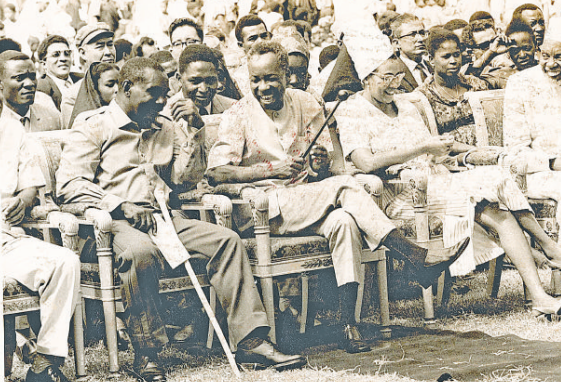
ZANZIBAR: TODAY, Tanzania marks 62 years of the Union between the then Tanganyika and Zanzibar, the partnership which continues to stand as one of Africa’s most enduring political arrangements, anchored in peace, economic cooperation and shared identity.
While debates and challenges remain part of its evolution, voices from government, business and the wider community in Zanzibar point to a Union that has delivered tangible benefits across sectors and generations.
At its core, the Union has provided a stable foundation for security and statehood. According to Chief Executive Officer of the Zanzibar Presidential Delivery Bureau (PDB) Professor Mohammed Hafidh Khalfan, one of the most significant gains has been sustained peace and security.
In a region that has witnessed periodic instability, Zanzibar has remained calm, benefiting from the broader national security architecture of the United Republic of Tanzania. This stability, he notes, has been essential in enabling investment, tourism growth and social development.
Beyond security, Prof Khalfan highlights the diplomatic strength that Zanzibar derives from being part of a larger union.
Through Tanzania’s global presence, Zanzibar gains access to wider international networks, representation and partnerships that would otherwise be difficult to achieve alone.
This collective diplomatic leverage has opened doors for trade, education and development cooperation, enhancing Zanzibar’s visibility on the global stage.
Economically, the Union has created one of its most compelling advantages: access to a large domestic market. Zanzibari traders and producers are able to sell their goods freely across the Mainland without customs duties. This has been particularly transformative for sectors such as agriculture, fisheries and small-scale manufacturing.
Mr Omar Suleiman, a grain trader operating between Mainland Tanzania and Zanzibar, says the Union has simplified trade and strengthened long-standing social ties. “The benefits of the Union are greater than its challenges,” he explains, noting that commerce between the two sides is not only guided by formal agreements but also by centuries-old cultural and economic connections.
For traders like him, the ability to move goods without restrictive tariffs has reduced costs and expanded business opportunities.
The use of a single currency, the Tanzanian shilling, has further streamlined economic activity. It eliminates the need for currency exchange and reduces transaction costs, while also contributing to financial stability. For businesses and consumers alike, this has made trade more predictable and efficient.
From an institutional perspective, the Union has also widened access to employment and public services. Zanzibaris can work in Union institutions such as the Tanzania Revenue Authority, the Bank of Tanzania and diplomatic missions abroad.
In education, opportunities for higher learning across the country have expanded, allowing students from Zanzibar to access universities and specialised training institutions on the Mainland.
Chief Executive Officer of the Zanzibar National Chamber of Commerce (ZNCC) Mr Hamad Hamad, underscores the Union’s role in strengthening the private sector. Over the past six decades, he says, Zanzibar has benefited from an expanded internal market that supports business growth across multiple regions of Tanzania.
“For Zanzibari entrepreneurs, the Union has opened up significant opportunities, particularly in agriculture, where value chains continue to grow,” he notes.
However, he also points out that the full potential of these opportunities has yet to be realized. Differences in tax systems, bureaucratic hurdles in transporting goods and limited awareness among some stakeholders about Union-related rights and opportunities continue to pose challenges. Addressing these issues, he argues, is critical to making the Union more effective for businesses.
To unlock greater benefits, Mr Hamad calls for stronger policy harmonisation between the two sides of the Union. This includes aligning tax frameworks, reducing unnecessary bureaucracy and investing in transport and digital infrastructure to facilitate smoother trade flows.
He also emphasises the need to empower Zanzibari businesses to take advantage of regional and continental markets such as the East African Community (EAC), the Southern African Development Community (SADC) and the African Continental Free Trade Area (AfCFTA), using Mainland Tanzania as a gateway.
Despite these challenges, there is broad consensus among stakeholders that the Union remains a vital economic and social instrument. It has not only supported trade and investment but also reinforced a sense of shared identity while allowing Zanzibar to maintain its own government and internal autonomy.
ALSO READ: Tanzania thrives when Tanganyika, Zanzibar stand united
As Tanzania celebrates this 62-year milestone, the message from Zanzibar is clear: the Union has delivered meaningful benefits, from peace and security to economic growth and expanded opportunities. The task ahead is not to question its value, but to refine and strengthen it ensuring that it becomes more inclusive, competitive and responsive to the needs of both sides.
In doing so, the Union can continue to serve as a model of cooperation and resilience, demonstrating how political unity, when effectively managed, can drive development and improve lives for millions.