Union: Tanzania’s journey of shared prosperity
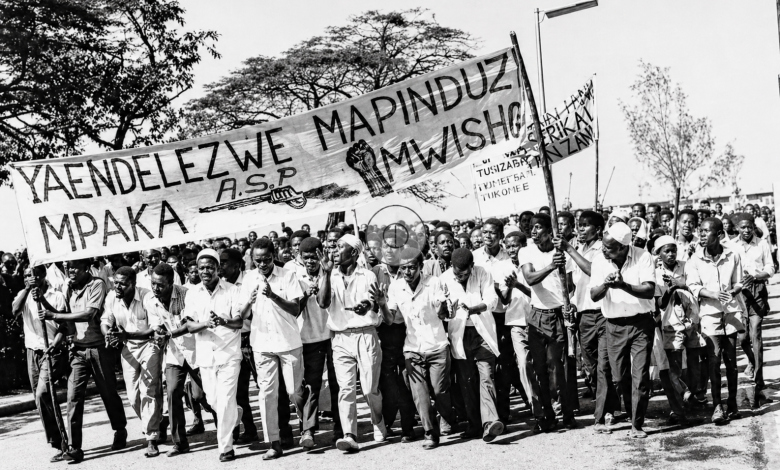
DAR ES SALAAM: AS Tanzania marks the 62nd anniversary of the historic Union of Tanganyika and Zanzibar, the occasion invites not only celebration but reflection on one of Africa’s most enduring political experiments an alliance that has withstood ideological shifts, economic transitions and global pressures while continuing to deliver tangible gains across sectors.
The Union, formalised on April 26, 1964, was born out of two defining historical currents: the independence of Tanganyika in 1961 and the Zanzibar Revolution.
At a time when many newly independent African states grappled with fragmentation and instability, Tanzania charted a different path choosing unity over division. This bold decision, championed by founding leaders Julius Nyerere and Abeid Amani Karume, laid the foundation for a nation that would become a symbol of political cohesion on the continent.
Before independence, both Tanganyika and Zanzibar were governed under colonial systems that entrenched inequality. Access to education, employment and leadership was largely determined by race, religion and class, leaving indigenous populations marginalised with limited participation in governance.
The Union fundamentally altered this trajectory by dismantling institutional segregation and opening pathways for inclusive governance. It replaced fragmented identities with a broader sense of nationhood, enabling citizens to see themselves first and foremost as Tanzanians.
Today, Tanzanians from diverse backgrounds participate in public service, politics and the economy, reflecting a transformation rooted in unity and shared identity. This inclusiveness has been central to building trust in public institutions and fostering a sense of belonging across both sides of the Union.
Over time, the Union has also nurtured a culture of tolerance, coexistence and national pride that continues to define Tanzania’s social fabric.
Minister of State in the Vice-President’s Office (Union and Environment), Eng Hamad Masauni, notes that the achievements recorded over the decades are grounded in this foundational shift from exclusion to inclusion and from fragmentation to national cohesion.
The Union has ensured political stability for more than six decades, a rare feat in a region that has experienced periodic unrest and political transitions.
This stability has provided a solid platform for governance and development. The establishment of a unified Parliament, bringing together representatives from both Mainland and Zanzibar, created an inclusive platform for decision-making and strengthened national cohesion.
Laws and policies are debated and shaped through representation that reflects the diversity of the Union, reinforcing democratic governance and accountability.
The Union structure, which allows Zanzibar a degree of autonomy under its own government while maintaining a central Union government, has proven to be both practical and resilient. It balances unity with diversity, enabling each side to manage internal affairs while contributing to national priorities. This delicate balance has helped to manage differences while preserving the overarching goal of national unity.
Institutions such as the Ministry of Foreign Affairs and East African Cooperation have enhanced Tanzania’s global standing, enabling it to speak with one voice in international platforms including the African Union. As a result, Tanzania has played a meaningful role in regional diplomacy, conflict resolution and peacekeeping missions, earning respect as a stable and principled nation.
Economically, the Union has created a larger and more integrated market that facilitates trade, investment and mobility. Key sectors such as agriculture, tourism, energy and infrastructure have all benefited from coordinated policies and shared resources. The ability of goods, services and people to move within the Union has stimulated economic activity and strengthened interdependence.
Zanzibar’s tourism industry complements Mainland Tanzania’s globally renowned wildlife, mountains and cultural heritage, creating a diversified tourism offering that attracts visitors from across the world. Meanwhile, Mainland agricultural production continues to support food supply in the Isles, demonstrating how the Union fosters mutual benefit. This economic synergy highlights the practical advantages of unity, where each side contributes its strengths to a shared national economy.
Infrastructure development has expanded significantly over the years, with improvements in roads, ports, airports and communication networks linking communities and stimulating economic growth.
Strategic investments in transport and energy have facilitated trade and improved access to markets, education and healthcare services.
The Union has enabled the implementation of large-scale national projects that might have been difficult to achieve independently, reinforcing the value of collective effort and shared vision.
In social sectors, the Union has driven notable improvements in education, healthcare and social services. From expanded access to primary and secondary education to the growth of universities and technical institutions, Tanzania has made steady progress in building human capital. Education reforms have aimed at increasing enrolment, improving quality and ensuring that opportunities are accessible to all citizens.
Healthcare services have also improved through investments in hospitals, health centres and public health programmes.
Campaigns targeting communicable diseases, maternal health and child welfare have contributed to better health outcomes. These efforts reflect a commitment to improving the well-being of all Tanzanians, regardless of their location within the Union.
The discriminatory systems of the colonial era have been replaced with inclusive policies that ensure broader access to opportunities. Social protection programmes and community development initiatives have further strengthened the social fabric, helping to reduce inequalities and promote shared prosperity.
As global attention increasingly turns to climate change and environmental sustainability, the Union has strengthened collaboration in managing natural resources and addressing environmental challenges.
Tanzania’s rich biodiversity and natural ecosystems require coordinated conservation efforts and the Union framework has facilitated policy alignment between Mainland Tanzania and Zanzibar.
Coordinated initiatives in forestry, marine conservation and climate adaptation demonstrate a shared commitment to sustainable development.
Director of Union Affairs at the Vice-President’s Office, Mr Juma Salum underscores the importance of continued cooperation in tackling both existing and emerging environmental issues, noting that environmental challenges do not recognise geographical boundaries.
While the Union has achieved remarkable progress, it has also faced challenges, particularly in areas such as governance arrangements, resource sharing and the interpretation of Union matters. However, Tanzania has consistently relied on dialogue and consensusbuilding to address such issues, avoiding conflict and maintaining stability.
A notable milestone was a 2006 directive by former President Jakaya Kikwete, which established a structured mechanism for resolving Union matters through consultations between Mainland and Zanzibar leadership. This approach has proven effective, with the majority of identified Union issues successfully resolved. It reflects a political culture that prioritises unity, consultation and long-term solutions over short-term disagreements.
Beyond its borders, Tanzania’s Union stands as a powerful example of African unity and integration. At a time when regional blocs continue to pursue closer cooperation, Tanzania’s experience offers valuable lessons on the importance of trust, shared vision and institutional strength. It demonstrates that unity is not merely an aspiration but a practical pathway to stability and development.
The Union also embodies the enduring relevance of Pan-African ideals, promoting solidarity, cooperation and collective progress. Its longevity underscores the importance of adaptability, as the Union has continued to evolve in response to changing political, economic and social dynamics.
As the country commemorates this 62nd anniversary, attention increasingly turns to the future. Priorities include deepening economic integration, addressing remaining Union challenges, advancing digital transformation and strengthening environmental resilience. There is also a growing emphasis on ensuring that young people fully understand and appreciate the value of the Union, as they will be the custodians of its future.
ALSO READ: Progress marks 62 years of Union
The continued success of the Union will depend on sustained commitment to its founding ideals and the ability to respond to emerging challenges in an increasingly interconnected world. Strengthening institutions, enhancing transparency and promoting inclusive growth will be critical in ensuring that the benefits of the Union are felt by all citizens.
For 62 years, the Union has remained a cornerstone of Tanzania’s identity, demonstrating that unity, when nurtured through dialogue, mutual respect and shared purpose, can yield lasting progress and stability. Its unique history and countless achievements continue to inspire not only Tanzanians but also the broader African continent, proving that the pursuit of unity remains one of the most powerful tools for national transformation.