

Peace, stability as bedrock of a stronger 62-year-old Union
DODOMA: AS one of Africa’s oldest and most enduring political arrangements, the Union between formerly Tanganyika and Zanzibar offers a compelling case study of how peace and stability can sustain a shared state across generations.
Formed in the aftermath of the Zanzibar Revolution on January 12, 1964, the Union brought together two entities with distinct historical, cultural and political trajectories. Its durability over six decades has not been incidental, but the result of deliberate political stewardship anchored in dialogue, compromise and mutual respect.
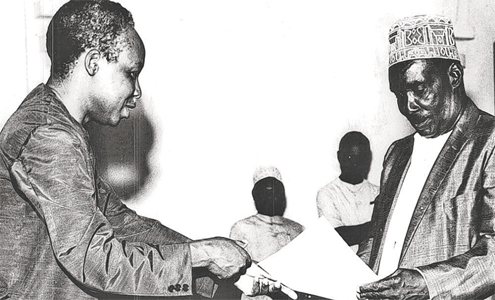
When Julius Nyerere and Abeid Amani Karume agreed to unite their nations, they were not merely merging territories, they were constructing a shared political identity. That identity drew not only from formal agreements but also from long-standing social and economic interactions between communities on both sides.
The Union’s structure, allowing Zanzibar internal autonomy while reserving key areas such as defence, foreign affairs and citizenship as Union matters created a delicate but functional balance. This institutional design has been central to maintaining cohesion, even as differences in governance priorities and economic expectations occasionally surface.
Like any dual-government system, the Union has faced periodic tensions. Debates over the scope of Union matters, distribution of powers and economic arrangements have tested the relationship at different moments.
Yet, its resilience underscores a critical principle: Stability has been sustained not through coercion, but through consensus-building mechanisms. Institutional platforms, political negotiations and constitutional dialogue have consistently been used to manage disagreements and prevent escalation.
Recent administrations, including that of Samia Suluhu Hassan, have reinforced this approach by emphasising inclusivity, consultation and cooperation as pillars of governance, factors essential to maintaining trust within the Union.
Peace and stability are not only political assets, they are also economic enablers. Both sides of the Union depend on a stable environment to sustain key sectors.
Zanzibar’s globally recognised tourism industry, for instance, is highly sensitive to perceptions of security, while Mainland Tanzania benefits from a unified market, shared infrastructure and coordinated economic policies. Any disruption to peace on either side would directly constrain the Union’s ability to realise its full economic potential.
In this sense, the “peace dividend” of the Union extends beyond security to include trade, investment and social development.
Over six decades, the Union has generated important lessons for state-building and regional integration.
ALSO READ: Significant strides in the Union: Six decades of unity, progress and resilience in Tanzania
First, respect for diversity strengthens rather than weakens unity. Tanzania’s more than 120 ethnic groups coexist within a framework that accommodates cultural and social differences, reinforced by everyday interactions such as trade, education and intermarriage.
Second, strong institutions matter. Clear constitutional and legal frameworks provide mechanisms for managing expectations and resolving disputes, ensuring continuity even during periods of tension.
Third, peace requires active maintenance. Stability is not self-sustaining, it depends on leadership, public engagement and continuous dialogue at both political and societal levels.
These principles are reflected in the current Union commemoration theme “Union @62: Peace, Unity and Solidarity as the Foundation for Sustainable Development” which links political cohesion directly to long-term development outcomes.
Tabling his ministry’s 2026/27 budget, the Minister of State in the VicePresident’s Office (Union and Environment), Mr Hamad Yussuf Masauni, reaffirmed the government’s commitment to safeguarding the Union.
He noted that 22 of the 25 identified Union matters have been resolved, with the remaining issues, primarily related to financial arrangements, motor vehicle registration and market access, still under negotiation between the two sides.
To strengthen coordination, the government has expanded the scope of Joint Committee discussions between the Union government and the Revolutionary Government of Zanzibar, incorporating broader areas of mutual interest such as economic opportunities alongside traditional Union matters.
Recognising that long-term stability depends on public understanding, the government has also intensified civic education efforts, particularly targeting younger generations.
A comprehensive awareness programme, featuring seminars, media outreach, Union caravans and community activities, aims to deepen citizens’ knowledge of the Union’s history, structure and benefits.
Innovative approaches, including sports diplomacy, have also been deployed. The revival of Union football competitions, alongside the introduction of netball and wrestling events, reflects an effort to promote unity through shared social experiences while embedding civic education into popular platforms.
At 62, the Union between the then Tanganyika and Zanzibar is not merely a historical achievement, it is an evolving political system that continues to adapt to changing socio-economic realities.
Its endurance highlights the centrality of peace and stability as both foundational and functional elements of governance. At the same time, ongoing negotiations and public engagement efforts illustrate that sustaining unity requires continuous investment.
As Tanzania looks ahead, the Union remains both a symbol of achieved cohesion and a dynamic framework shaping the country’s future, demonstrating that, in diverse societies, peace and stability are not just ideals, but the essential bedrock of lasting unity and development.



References:
Legiano Casino Gratis Spins kapcsolathalo.nti.btk.mta.hu
References:
KingMaker Casino Promo Code einlösen https://bion.ly/sterlingisbell
References:
Legiano Casino Auszahlungsdauer http://images.google.com.gi
References:
Legiano Casino Login Deutschland google.jo
References:
Legiano Casino Meinungen https://zakon.ru/
References:
Legiano Casino Live Chat http://www.google.com.eg
References:
Legiano Casino App http://cse.google.bi/url?q=https://twigiron69.werite.net/legiano-casino-de-bonus-500-und-200-freispiele
References:
Legiano Casino Kundenservice https://kaptur.su/proxy.php?link=https://concretewiki.site/wiki/Legiano_casino_login_Deutschland_Spielen_Sie_jetzt_im_casino_Legiano
References:
Legiano Casino Tischspiele http://images.google.hr/
References:
Hitnspin casino auszahlungslimit https://www.oschina.net
References:
Hit n spin bonus ohne einzahlung conny-grote.de
References:
Hitnspin casino sign up bonus http://www.google.st/url?sa=t&url=http://sc.afcd.gov.hk/gb/de.trustpilot.com/review/der-wikinger-shop.de/
References:
Hitnspin casino demo http://clients1.google.com.uy
References:
Lollybet Casino Login cse.google.co.zm
References:
Lollybet Bewertung http://images.google.co.jp/
References:
Lollybet Mirror Link image.google.tk
References:
Hitnspin bonus ohne einzahlung cse.google.je
References:
Hitnspin casino download http://el.thefreedictionary.com
References:
Lollybet Casino 10 Euro Bonus cse.google.bs
References:
Lollybet Spiele nlp.fi.muni.cz
References:
Lollybet Casino App Download https://wikitalia.russianitaly.com
References:
Lollybet Casino Gutscheincode https://dec.2chan.net/bin/jump.php?https://url79.com/thaliaupchurch
References:
Lollybet Casino Verifizierung toolbarqueries.google.cl
References:
Lollybet Casino Neukundenbonus https://forum.xnxx.com/
References:
Lollybet Casino Neukundenbonus http://images.google.sh/
References:
Lollybet Casino Review http://maps.google.es/url?q=https://linktraffic.site/diannatpx27844
References:
Lollybet Casino Mindesteinzahlung google.vg
References:
Lollybet Casino App Download google.com.pg
References:
Stratosphere Casino Test talenthubsol.com
References:
Candy96 Casino slots https://jobsbotswana.info/
References:
Wildz Casino Test mem168new.com
References:
Candy96 live casino fanajobs.com