Highway fuel hawkers endanger motorists, economy
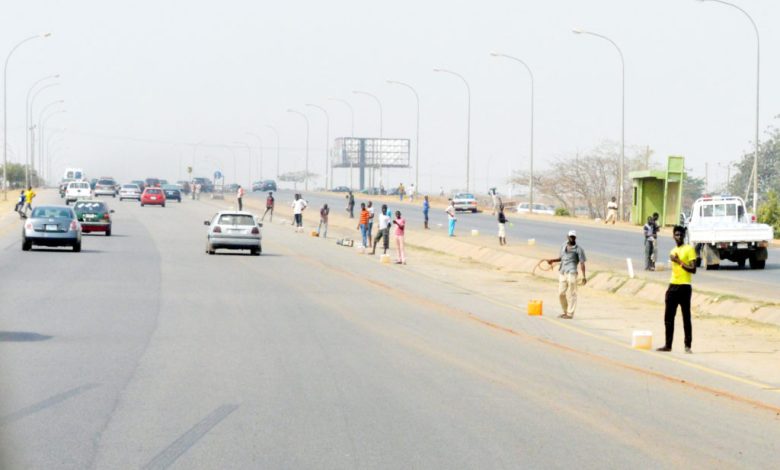
DAR ES SALAAM: WE call upon the government through relevant organs, including the police, to urgently tighten enforcement against the illegal sale of petrol and diesel along highways.
This practice, increasingly common at unauthorised roadside points, where fuel is stored in jerricans and sold to motorists and bodabodas, poses serious safety risks and economic losses.
We must emphasise that such informal fuel vending undermines public safety, compromises fuel quality and deprives the government of rightful revenue through taxation mechanisms.
We must realise that fuel sold in jerricans without regulation is often exposed to contamination, adulteration and unsafe storage conditions that may damage engines and endanger lives. The absence of control along highways also encourages tax evasion, weakens formal fuel distribution systems and creates unfair competition against licensed petrol stations.
Authorities, particularly law enforcement agencies, must intensify patrols, dismantle illegal vending points and prosecute offenders to serve as a deterrent to others. Allowing such operations to persist also increases the risk of fire outbreaks and road accidents, especially in congested transport corridors. It is therefore imperative that government agencies coordinate efforts to eliminate this practice and restore order in fuel distribution.
We further urge the government to strengthen regulatory frameworks governing petroleum distribution, ensuring that only licensed stations are allowed to sell fuel to the public. This will help safeguard consumers, protect engines from damage caused by poor-quality or adulterated fuel and stabilise market prices across the country. Moreover, curbing illegal roadside fuel trade will enhance national revenue collection, which is critical for financing public services and infrastructure development.
The police force should be adequately equipped and mandated to conduct routine inspections along major highways to identify and remove unauthorised fuel sellers.
Equally, public awareness campaigns are also Equally, public awareness campaigns are also necessary to educate motorists and bodaboda operators on the dangers of purchasing fuel from unregulated sources. Such campaigns should highlight both the health and safety risks as well as the broader economic implications of supporting illegal fuel markets.
Ultimately, protecting the integrity of fuel distribution is not only a matter of regulation but also of national security and public welfare. Illegal fuel vending along highways must therefore be treated as a serious offence requiring strict penalties, consistent enforcement and zero tolerance.
With coordinated action, Tanzania can ensure safer roads, fair taxation and a more reliable fuel distribution system that benefits all citizens.
We also encourage collaboration between local authorities, energy regulators and transport operators to identify hotspots of illegal fuel trading and address them decisively. Without such decisive measures, the continued existence of roadside fuel sellers will remain a persistent threat to safety, revenue and environmental protection.
ALSO READ: Tanzania steps up efforts to upgrade its roads with a training on road safety
Strong political will and sustained enforcement are therefore essential to restore order in the petroleum supply chain and protect public interest. Citizens must also refrain from purchasing fuel from unauthorised sellers to discourage this illegal and dangerous practice across all regions. Collective responsibility remains key in ending illegal roadside fuel vending entirely completely nationwide.