Kibaha-Chalinze road project back on track
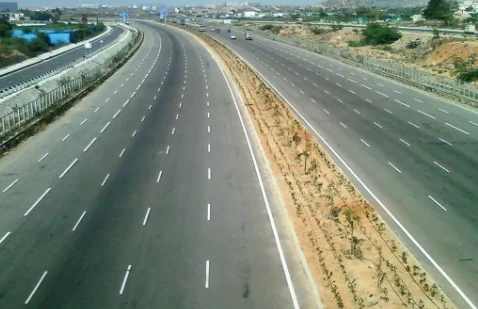
DAR ES SALAAM: THE implementation of the Kibaha–Chalinze–Morogoro strategic corridor is set to proceed under a Public Private Partnership (PPP) arrangement, marking a significant step in efforts to ease congestion in Dar es Salaam and improve regional connectivity.
The project, valued at over one billion US dollars, is among key infrastructure initiatives currently under advanced negotiations. Once completed, the corridor is expected to enhance transport efficiency, facilitate trade and unlock new economic opportunities between coastal and inland regions.
Public Private Partnership (PPP) Centre Chief Executive Officer, Mr David Kafulila, said the government is working closely with key institutions to ensure the project is financially viable and delivers value to the public in the next financial year. Ongoing negotiations involve major stakeholders, including TANROADS, CRDB Bank, the Tanzania Ports Authority and a Chinese infrastructure firm.
ALSO READ: Why SRH matters for Tanzania’s future
“We are structuring these projects carefully to ensure they meet public needs while remaining attractive to investors,” Mr Kafulila said.
He added that TANROADS is playing a central role in technical and financial evaluations to ensure sustainability and long-term impact, noting that the project will also help reduce congestion in the commercial capital while improving logistics efficiency.
The development follows an earlier government decision in March this year to suspend the Kibaha–Chalinze road project, which had initially been planned under a PPP framework, on grounds of national interest. Mr Kafulila, speaking in a radio interview, said the government conducted a comprehensive cost assessment before inviting private sector participation.
“Nine companies expressed interest, including one from Turkey and the rest from China. Of these, five met the eligibility criteria and three were shortlisted to submit documentation. However, only one company from China actually submitted the required documents,” he said.
He noted that the investor’s proposal was significantly higher than the government’s cost estimates.
“On that basis, the government rejected proceeding with the contractor, highlighting that doing so would have harmed the nation and citizens in the long term,” he noted.
Meanwhile, the PPP Centre oversees a pipeline of more than 113 projects across infrastructure and transport sectors, ranging from small-scale initiatives to large investments exceeding 20 million US dollars.
Mr Kafulila said eight projects are currently under implementation, while others are progressing through negotiation and procurement. A total of 21 projects are at the feasibility stage, alongside 36 in pre-feasibility and 42 at the concept stage, highlighting a strong pipeline of future investments.
He said expanding the PPP portfolio is expected to accelerate infrastructure development and meet growing demand for modern transport systems.