Zanzibar women reap fortunes from Mariam Mwinyi’s Foundation
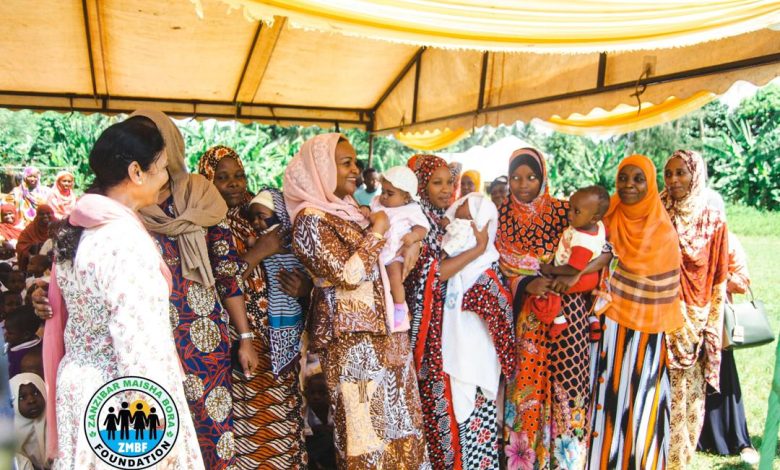
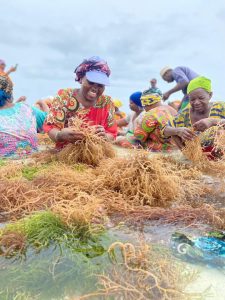
ZANZBAR: AT low tide along Zanzibar’s coastline, women wade slowly into the warm waters of the Indian Ocean, tying delicate strands of seaweed to lines stretched between wooden stakes.
For many families in the islands, this quiet, labour-intensive work is more than a livelihood—it is the backbone of household survival.
For years, however, many of these women struggled with low yields, unstable markets and limited access to training or equipment.
It was during visits to communities like these that Mariam Mwinyi, the First Lady of Zanzibar, began to see how small interventions could dramatically change lives.
Today, those experiences have grown into a broader mission through the Zanzibar Maisha Bora Foundation (ZMBF), a non-profit organization she leads as Patron and Chairperson of its Board of Trustees.
Speaking in a special interview with a team of reporters from the Tanzania Standard Newspapers (TSN), at her residence in Migombani, Mrs Mwinyi said empowering women is not only about fairness but also about building stronger families and a stronger nation.
“I urge my fellow women and girls to believe in themselves, value education and support one another in building a better future,” she said. The interview was among activities to mark the International Women’s Day-2026.
The idea behind the foundation, Mama Mwinyi explained, emerged from challenges she witnessed during her visits to communities across Zanzibar. One encounter that stayed with her was with women seaweed farmers, many of whom were struggling to sustain their livelihoods despite their hard work.
Seaweed farming is a major economic activity in Zanzibar and a growing part of the islands’ blue economy. Thousands of women depend on it for income, yet many have historically lacked the tools, training and market access needed to improve their productivity.
Through ZMBF, Mwinyi has focused on helping these women turn their efforts into sustainable economic opportunities.
So far, the foundation has supported more than 1,400 seaweed farmers—most of them women— by providing training in modern farming techniques, quality control and post-harvest handling.
“Many farmers have managed to double their production compared to what they used to harvest before,” she said, noting that higher yields have translated into better incomes for families.
The foundation has also helped farmers organize themselves into groups, making it easier for them to access loans and work with development partners.
Over the past three years, it has also provided essential equipment—including motorized boats that allow farmers to cultivate seaweed in deeper waters where crops grow faster and in better quality.
Mwinyi believes that women’s economic participation is a critical driver of development. “There can be no true development without the contribution of women,” she said.
Through its programmes, ZMBF works in alignment with national development priorities of the Revolutionary Government of Zanzibar and global development goals, including the Sustainable Development Goals.
The foundation’s initiatives focus on women’s empowerment, child welfare and youth development—areas Mwinyi describes as fundamental pillars of sustainable progress.
“These priorities are closely linked to Zanzibar’s long-term development vision-2050 and the broader African development agenda-2063,” she said.
ALSO READ: Mariam Mwinyi to grace TIRA’s IWDC in Zanzibar
Beyond economic empowerment, the foundation is also investing heavily in children’s wellbeing, particularly during the earliest years of life.
Through programmes supporting Early Childhood Development (ECD), ZMBF promotes healthy growth and learning for children from birth to the age of five.
The First Lady explained that the early years are crucial for brain development and long-term educational success. “If we want a strong future generation, we must invest in children during these formative years,” she said.
Through nutrition and child welfare programmes, the foundation has already reached more than 9,700 children, helping improve their health and readiness for school.
Another focus area has been supporting adolescent girls to continue their education.
In many communities, a lack of menstrual hygiene products can cause girls to miss school days during their periods. To address this challenge, the foundation launched the Tumaini Initiative, which distributes reusable sanitary kits to schoolgirls. So far, more than 7,000 girls have received the kits.
The initiative carries an additional benefit: the kits are produced locally in Zanzibar through a small manufacturing facility run by the foundation, creating employment opportunities for young people.
Each kit can last between three and five years if properly used. “No girl should miss school because of menstruation,” Mwinyi said firmly.
Through another programme known as Afya Bora Maisha Bora, the foundation has been expanding access to healthcare services and health education.
More than 30,000 people have benefited from services and awareness campaigns covering reproductive health, maternal and child health and early disease screening.
These services are particularly important for women in remote communities who may face challenges accessing healthcare.
To strengthen its impact, the foundation works closely with the Ministry of Health Zanzibar and the Ministry of Community Development, Gender, Elderly and Children Zanzibar in areas such as nutrition awareness, prevention of gender-based violence and maternal health.
Mwinyi also stressed the importance of proper nutrition for children, noting that many cases of stunting are linked to limited knowledge about balanced diets.
Parents, she said, should ensure that children receive nutritious meals designed to support healthy growth.
Beyond Zanzibar, Mwinyi participates in regional and international platforms that bring together First Ladies and development advocates from across East Africa and beyond.
These forums allow leaders to share experiences and strategies for empowering women and improving social welfare.
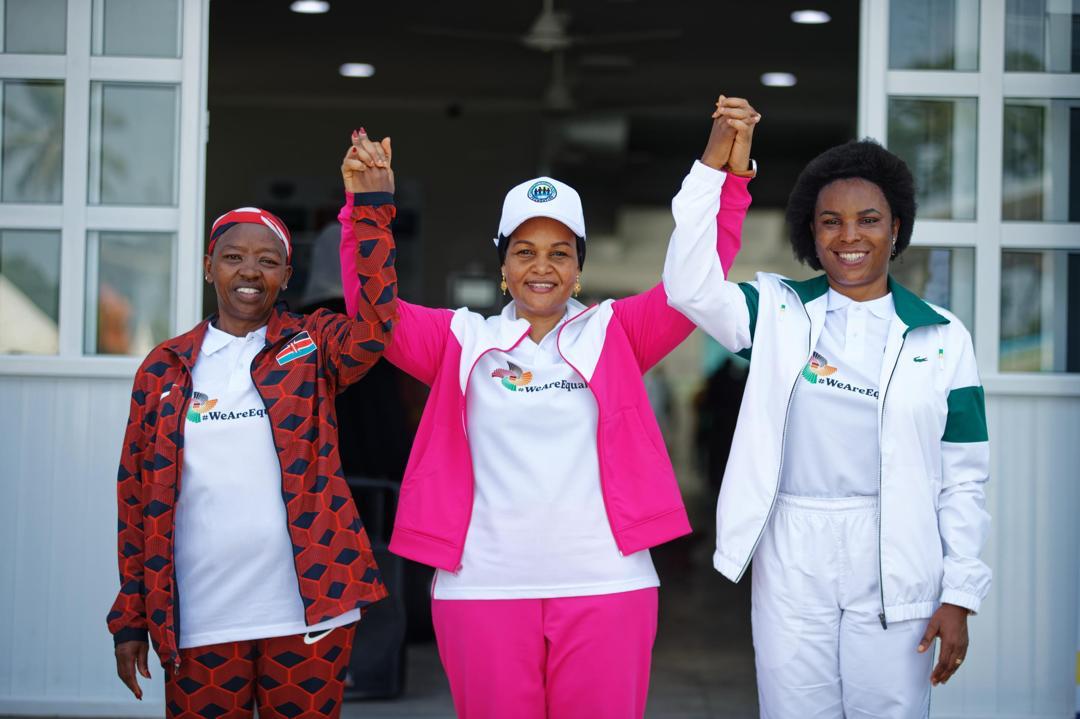
Mwinyi believes such collaboration is essential for addressing shared challenges. “When women rise, communities rise and nations move forward,” she said adding that this initiatives also alie with implementation of the SDGs-2030.
This year’s International Women’s Day theme, “Give To Gain”, underscores the principle that meaningful progress on gender equality requires deliberate contributions from governments, institutions and individuals. When we invest in women’s safety, rights and leadership, we strengthen societies as a whole
For Mama Mwinyi, the work of the Zanzibar Maisha Bora Foundation reflects a simple but powerful belief: empowering women strengthens families, and strong families build resilient societies.
From seaweed farms along the coast to classrooms and health clinics across the islands, the initiatives supported by the foundation are gradually changing lives.
And as Zanzibar Women join their colleagues globally, to mark International Women’s Day, Mwinyi says the message remains clear. Empowering women, she insists, is not merely about equality—it is a foundation for sustainable development and a better future for generations to come.