Zanzibar steps up fight against illegal fishing

ZANZIBAR: ZANZIBAR Ministry of Blue Economy and Fisheries has reaffirmed its commitment to ending illegal fishing practices to protect marine resources that sustain the islands’ economy and livelihoods.
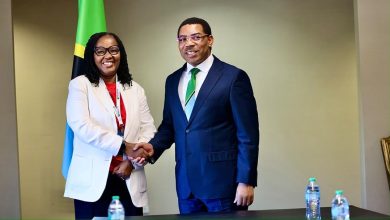
Deputy Minister for Blue Economy and Fisheries, Ms Mboja Ramadhani Mshenga expressed the determination while officially opening a regional conference on illegal fishing held here, bringing together government representatives and maritime stakeholders from countries sharing the Indian Ocean.
She said illegal fishing remains one of the leading causes of marine resource depletion, warning that unregulated practices threaten fish stocks, coral reefs and the long-term survival of coastal communities.
“Our economy depends heavily on the ocean,” Ms Mshenga said. “Protecting marine resources is not an option, it is a necessity.” The deputy minister highlighted that, despite continued enforcement efforts, certain individuals persist in using illegal fishing methods that breach established regulations.
This includes the use of destructive fishing nets, which cause significant damage to marine ecosystems. To address the challenge, she said the government has put in place strategic measures, including the acquisition of deep-sea fishing vessels, aimed at promoting sustainable fishing while reducing pressure on coastal waters.
Speaking at the same event, Jahaz Project spokesperson Michael Mallya said the conference aims to strengthen cooperation among coastal and island states to ensure the protection of shared marine resources.
“This meeting brings together governments that share the same ocean, with the goal of improving collaboration and safeguarding marine ecosystems,” he said.
Permanent Secretary at the ministry, Captain Hamad Bakar Hamad, urged fishermen to take responsibility for conserving the ocean to ensure continued fish availability for future generations.
ALSO READ: How small changes make a big impact in Z’bar
He also revealed that the Fisheries Act of 2010 is currently under review, with a new law expected to introduce stronger measures to curb illegal fishing. Meanwhile, Commander of the Maritime Security and AntiSmuggling Unit (KMKM), Commodore Hassan Msingiri, said Zanzibar is working closely with regional and international partners to strengthen maritime security.
“If a problem arises at sea, we communicate immediately and act together,” Commodore Msingiri said, adding that Zanzibar’s waters remain safe due to enhanced cooperation.
He also called on relevant ministries and stakeholders to closely involve maritime security forces, particularly when research activities are conducted at sea, to ensure safety and protect national maritime interests.
“Anyone entering our waters for research or diving activities must inform maritime forces so we understand what is happening beneath the sea and prevent potential risks,” he stressed.
In her keynote address, Ms Mshenga welcomed delegates to Zanzibar, describing the islands as a historic meeting point shaped by the Indian Ocean and shared maritime heritage. She noted that more than twothirds of Zanzibar’s population depends directly on fishing and tourism, sectors that contribute significantly to the national GDP.
“When our seas thrive, our people thrive,” she said, emphasising that the conference theme, “Securing Our Seas Together,” reflects the need for regional cooperation, as fish stocks, ocean currents and environmental threats do not respect national borders.
She also conveyed a special request from the Minister for Blue Economy and Fisheries, Mr Masoud Ali Othman, proposing that Zanzibar be designated as the permanent host of the Blue Voices Regional Summit to improve planning and logistical coordination among member states.
Zanzibar, she concluded, is committed to working with regional partners to ensure marine resources are managed sustainably and equitably for generations to come.