How small changes make a big impact in Z’bar
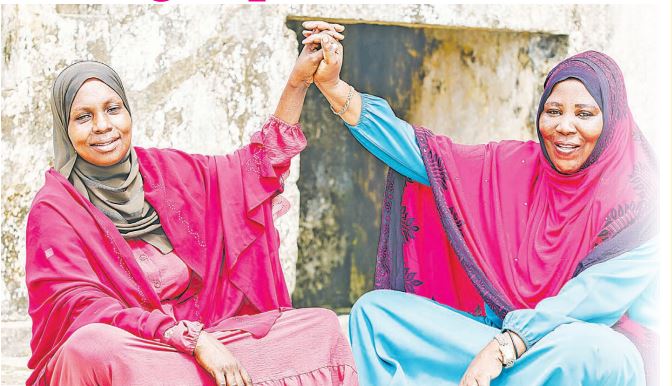
ZANZIBAR: IN the quiet corridors of Wesha Health Centre in North Pemba, a small discovery has led to a massive victory for maternal safety.
Thanks to a recent partnership between the Ministry of Health in Zanzibar and UNFPA, life-saving care for mothers is becoming more reliable than ever. In December 2025, a specialized team arrived at the health center to conduct a routine check.
What they found was a hidden danger, Oxytocin, the essential medicine used to stop lifethreatening bleeding after childbirth was being stored in an overcrowded refrigerator with fluctuating temperatures.
Without stable cooling, this miracle drug can lose its potency, leaving mothers at risk when they are most vulnerable.
“We didn’t realize how temperature changes could reduce the medicine’s effectiveness,” admitted Aisha Salum, a dedicated service provider at Wesha. For Aisha and her team, the training was an eyeopener.
“Now, we feel confident to provide safer care to our mothers.”
What happened next is a testament to how seriously Zanzibar is taking women’s health. Within just 24 hours of the team’s feedback, the District Health Management team delivered a brand-new refrigerator to the center.
The medicines were immediately reorganized according to international safety standards, and a strict temperature-monitoring system was put in place.
This rapid response ensured that not a single dose of Oxytocin would go to waste and, more importantly, that every mother at Wesha would receive effective treatment.
For the women of North Pemba, this isn’t just about equipment; it’s about feeling seen and protected.
ALSO READ: How maternity kit transforms maternal health in rural Tanzania
“Knowing that the medicine used to protect me after childbirth is safe gives me peace of mind,” says Halima Mohamed, a mother.
“I feel that my life and my baby’s life are truly valued.” This success story is part of the Last Mile Assurance (LMA) programme, a mission to ensure that health supplies don’t just reach a warehouse, but reach the woman who needs them most in their best possible condition.
“Our partnership demonstrates that targeted support at the last mile saves lives,” said Mark Bryan Schreiner, UNFPA Representative in Tanzania.
By fixing the small details, like a fridge temperature, the Ministry of Health and UNFPA are ensuring that every birth in Zanzibar is a safe one.