Women shake leadership, agriculture, community foundations
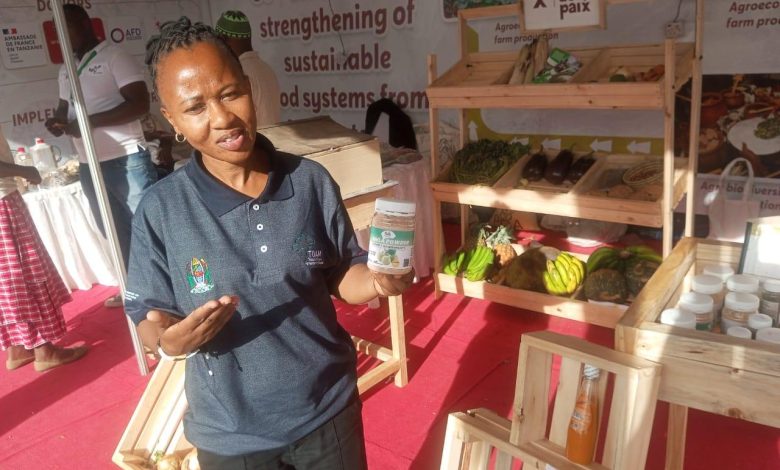
DAR ES SALAAM: TO jog your memory March 8, 2026, was International Women’s Day, and Tanzania joined the global celebration with a flourish. Across the country, political parties, government institutions, and community organizations marked the day, showcasing the growing influence of women in leadership, politics, and business.
These celebrations are more than ceremonial; they signal a shift from perception to recognition. For decades, women in Tanzania were seen as secondary participants in decision-making. Today, they are increasingly acknowledged as equals, with the ambitious goal of achieving a 50/50 representation in Parliament, the Judiciary, and the executive branch.
Tanzania’s political milestones illustrate this change vividly. President Samia Suluhu Hassan continues to lead the nation, while female Speakers have presided over Parliament during two separate terms. These achievements, tied to the annual celebration of Women’s Day, have inspired women to pursue positions in public office, private institutions, and community leadership.
But leadership is not the only arena where Tanzanian women are making waves. Entrepreneurship is another stage where women are stepping up and, quite literally, adding spice to the economy. Among the standouts is Meriana Charles, founder of Me&I Natural Products, headquartered in Arusha’s Sokoni One Ward. Her business focuses on processing and adding value to agricultural produce, turning everyday crops into market-ready products with health benefits.
Meriana says International Women’s Day is more than a date on the calendar; it’s a source of motivation. “Seeing women succeed in public and private leadership has inspired me to pursue entrepreneurship and show that women can achieve just as much,” she explains.
Her product lineup includes chili, garlic, amla, and baobab, all sourced locally. Meriana chose this niche after realizing the potential in value-added produce cultivated through ecological farming in northern Tanzania. She first experimented with chili, drawn by her personal love for the spice, particularly with cassava and chips. The turning point came when her neighbors sampled the first batch and demanded more.
“My neighbors encouraged me; after producing chili for the first time, they wanted more. That was the start of a business that has now gained recognition beyond Tanzania,” she recalls.
Meriana didn’t stop at flavor. With amla and baobab, she identified a nutritional and health opportunity. After observing community health challenges and conducting research, she realized these fruits could serve as nutritional remedies. She began producing them systematically, with early results confirming their health benefits.
Her skills were honed with guidance from Islands of Peace (IDP), the Smallholder Farmers’ Association of Tanzania (SHIWAKUTA), and the Arusha Regional Farmers’ Network (MVIWAARUSHA). Institutions like the Small Industries Development Organization (SIDO), the Tanzania Industrial Research and Development Organization (TIRDO), and the Tanzania Revenue Authority (TRA) provided technical support, training, and regulatory guidance for her value-addition initiatives.
ALSO READ: Tanzanian tourism seeks new grounds in the Scandinavian countries
Meriana emphasizes the practical benefits of value addition: it prevents spoilage, increases income, and helps farmers expand production. Her products, grown through ecological farming, also provide access to reliable markets.
“We were witnessing the loss of produce that is essential for human health. Through value addition, I have empowered myself and added value to the community,” she says, with the pride of someone who turns peppers into profits and baobab into benefits.
Today, Meriana manages a large network of ecological farmers, ensuring a steady supply of produce. Ecological methods also enhance the nutritional content of her products, adding another layer of value.
“Amla is packed with vitamin C, improves eyesight, boosts immunity, and offers numerous other benefits. Baobab reduces fatigue and inflammation, increases CD4 counts, and can help manage non-communicable diseases such as diabetes, cancer, and prostate conditions,” she explains.
For chili and garlic, Me&I adds convenience, reducing preparation time for households. Her garlic processing ensures it remains usable for over a year—a handy bonus for busy parents who might otherwise reach for pre-minced alternatives.
Meriana sources amla from western Tanzania, including Tabora, while baobab is abundant in the northern region. She identifies chili shortages as a challenge but has been proactive in encouraging farmers to increase production, assured by a guaranteed market.
Her strategic vision extends beyond local markets. She seeks investors to scale her business and achieve her vision of empowering women through economic independence.
“In five years, I expect most of my products will be certified and sold internationally,” she says confidently.
Meriana’s efforts have already gained regional attention. She participated in an ecological agriculture stakeholders’ meeting in Uganda, signaling that her enterprise is gaining recognition and traction beyond Tanzanian borders.
“Women can do it; what is needed is a supportive environment to amplify our capacity to achieve great things,” she says.
Through her business, Meriana has achieved financial independence, supported her family, and earned respect in her community, all while promoting sustainable agriculture.
IDP Director Ayesiga Buberwa commends Meriana, noting that her work reflects the organization’s mission to uplift women. IDP provides education and training to farmers and entrepreneurs in the ecological agriculture value chain, with Meriana being a prime example of their success.
ALSO READ: Health Ministry lifts the lid on ‘Talk to the Minister’ platform
Buberwa adds that IDP also exposes participants to agricultural fairs and markets, opening doors to new opportunities. The organization promotes ecological farming in northern Tanzania and has seen tangible successes that justify government support.
Meriana views her work as a strategy for economic empowerment, youth employment, and community development. She has transformed everyday crops into products that enhance health, create income, and provide a model for women-led enterprise.
With a growing network of ecological farmers, Meriana ensures both product quality and supply stability. Her approach demonstrates that sustainable farming and entrepreneurship can coexist, benefiting both producers and consumers.
As International Women’s Day continues to inspire Tanzanian women, Meriana’s story proves that with vision, determination, and a pinch of spice, women can turn local produce into profitable, socially impactful ventures—from backyard experiments to international markets.