Why we must embrace unity

DAR ES SALAAM: VICE-PRESIDENT Ambassador Dr Emmanuel Nchimbi, on Monday, amplified the importance of unity for the nation, insisting that oneness remains the most enduring way of honouring the founders of the Union, Julius Kambarage Nyerere and Abeid Amani Karume.
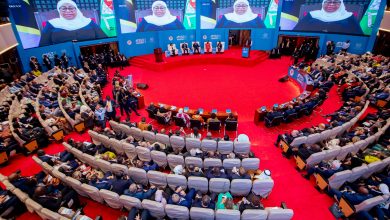
Dr Nchimbi spoke on the importance of the national unity during the Tanzanian Cultural Festival Night at the Julius Nyerere International Convention Centre.
He said the call for unity reflects continued emphasis by President Samia Suluhu Hassan, who has consistently urged Tanzanians, especially the youth to uphold solidarity as a foundation for peace and stability. In an era defined by rapid change, political tension, and widening social divides, the importance of national unity cannot be overstated.
A nation, at its core, is more than borders or institutions; it is a shared identity, a collective vision, and a commitment to coexist despite differences. Without unity, even the most resource-rich or strategically positioned countries risk stagnation, conflict, and decline. Unity does not imply uniformity.
A healthy nation is one that embraces diversity of thought, culture, religion, and background while maintaining a sense of common purpose. Differences should not be seen as threats, but as strengths that enrich the national fabric. History offers countless lessons about the consequences of division.
Societies fractured along ethnic, political, or economic lines often struggle to achieve stability. Distrust grows, institutions weaken, and development slows. On the other hand, nations that prioritise cohesion tend to weather crises more effectively.
Whether facing economic downturns, natural disasters, or external threats, unity enables collective action and shared sacrifice. In today’s interconnected world, the challenges facing nations are increasingly complex, and divided population cannot effectively address them easily.
Unity creates the foundation for dialogue, compromise, and long-term planning. It allows governments and citizens alike to focus on solutions rather than internal conflicts. However, unity cannot be imposed; it must be cultivated. Leadership plays a crucial role in setting the tone.
ALSO READ: Kombo calls for grooming competent diplomats
Responsible leaders promote inclusivity, discourage divisive rhetoric, and prioritise the common good over partisan interests. Equally important is the role of citizens. Unity begins at the grassroots level in communities, workplaces, and everyday interactions.
Respect, empathy, and open-mindedness are essential building blocks. Education also has a significant part to play. By teaching shared history, civic responsibility, and critical thinking, societies can nurture a generation that values cooperation over conflict. Media, too, bears responsibility in shaping public discourse.
Balanced reporting and constructive narratives can bridge divides rather than deepen them.
Ultimately, unity is not a static achievement but an ongoing process. It requires continuous effort, dialogue, and mutual understanding. While disagreements are inevitable, they need not lead to division. A nation that learns to manage its differences constructively is one that stands stronger, more stable, and better prepared for the future. The path to unity is neither simple nor quick, but it is indispensable. Without it, progress is fragile and fleeting. With it, a nation can unlock its full potential, ensuring prosperity and harmony for generations to come.