Why joint accountability matters in protecting public resources
MWANZA: EVERY road connecting communities, every health centre, classroom and water project has one thing in common they all depend on how responsibly public resources are managed.
Behind every successful development project are leaders, public servants and institutions whose commitment to accountability determines whether public investment delivers lasting benefits or becomes another missed opportunity.
Joint accountability in managing development projects has become one of the key drivers of Tanzania’s economic progress. When leaders and public servants embrace transparency and take collective responsibility for their decisions, projects are completed more efficiently, public resources are safeguarded and citizens receive better services.
Development projects are financed through taxpayers’ money, development grants and concessional loans. Every shilling invested is expected to improve people’s lives, making prudent management of these resources a shared responsibility among those involved in planning, implementation and oversight.
ALSO READ: PSSSF urges early submission of retirement
Strong accountability reduces opportunities for corruption, embezzlement and waste while promoting value for money. It ensures projects follow approved plans, meet agreed timelines and are consistently monitored, reducing costly delays and improving quality.
Well-executed infrastructure such as roads, water systems and energy facilities boosts business efficiency, attracts investment and stimulates economic growth. At the same time, transparent management strengthens investor confidence by demonstrating that public funds are managed responsibly.
Projects implemented with integrity also improve healthcare, education, agriculture and water supply, raising productivity, reducing poverty and strengthening the country’s economic competitiveness. Recognising the importance of accountability, the Prevention and Combating of Corruption Bureau (PCCB) recently convened a stakeholders’ meeting in Mwanza to raise awareness about corruption and strengthen oversight of development projects.
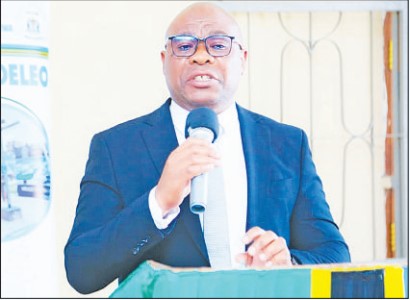
The meeting, chaired by Mwanza Regional Commissioner Said Mtanda, brought together district commissioners, council directors, heads of government institutions and departmental leaders from across the region. Opening the meeting, Mr Mtanda urged public servants to resist corruption and protect the authority entrusted to them.
“What gives me authority is the office entrusted to me by President Samia Suluhu Hassan, while what gives a wealthy person influence is financial power,” he said.
He warned that accepting bribes effectively transfers public authority to private interests. “If I sell my authority because of a bribe, the person paying it gains both financial power and my authority, making them more powerful than I am.” Mr Mtanda reminded leaders that corruption undermines justice, destroys public trust and dishonours both the individual and the public service.
“Sometimes you should reject a bribe simply to demonstrate that you are a person of principle who cannot be bought. That earns lasting respect,” he said.
He added that public servants who facilitate substandard projects or obstruct development through corruption weaken the national economy and betray the public trust.
Mwanza Regional Administrative Secretary Balandya Elikana also urged public servants to perform their duties professionally while observing ethics, laws and public service regulations.
Presenting a paper on stakeholder responsibilities in managing development projects, Mwanza Regional PCCB Commander Engineer Abnery Mganga said the bureau plays a vital role in ensuring government funds are used for their intended purposes.
He noted that the government continues to allocate substantial resources to development programmes, making transparency, efficiency and accountability more important than ever.
“The proper use of public resources is the foundation for quality public service delivery and sustainable development,” he said.
Engineer Mganga explained that PCCB monitors development spending through Public Expenditure Tracking Surveys (PETS), systems analysis and corruption risk assessments designed to identify weaknesses before they result in financial losses.
Through PETS, the bureau tracks the flow of funds, materials and other resources from source to final beneficiaries to detect leakages, delays, poor public participation and failure to achieve value for money.
According to Engineer Mganga, monitoring has uncovered weaknesses including poor procurement practices, unlawful payments, inadequate tender preparation, procurement without competitive bidding and payments made before work is completed or verified.
Other shortcomings include failure to test construction materials, lack of project signboards, absence of insurance, poor workplace safety and delays in implementation.
“We have also found projects that fail to achieve value for money because of excessive costs, poor quality and failure to meet intended objectives,” he said.
He stressed that Article 27 of the Constitution of the United Republic of Tanzania places responsibility for protecting public resources on every citizen, meaning oversight should not be left to government institutions alone.
Engineer Mganga called on government leaders, technical experts, contractors, project committees and members of the public to actively monitor projects, report misuse of resources and ensure compliance with laws and standards.
“Transparency, accountability and effective oversight are essential to ensure taxpayers’ money delivers the intended results and strengthens public confidence in government,” he said.
ALSO READ: Child upbringing determines nation’s future, Minister says
He added that corruption, weak oversight and lack of transparency continue to undermine development projects, making collective commitment from all stakeholders essential in building a culture of accountability.
Engineer Mganga further explained that under the Prevention and Combating of Corruption Act, Cap 329, PCCB is mandated to examine systems and work procedures in public institutions and the private sector to identify corruption risks and recommend preventive measures before losses occur.
He urged public institutions to cooperate fully whenever PCCB requests project documents for inspection and audit to determine whether government-funded projects deliver value for money.
Also addressing the meeting, PCCB lawyer Magesa Cosmas said Tanzania’s legal and institutional framework provides a strong foundation for safeguarding public resources, but effective collaboration among oversight institutions remains essential.
He said the 1977 Constitution requires state authorities to protect national resources and eliminate corruption, while the Public Procurement Act promotes transparency, fair competition and value for money.
Mr Cosmas noted that procurement accounts for nearly 70 per cent of the government’s development budget, making strict compliance with procurement laws critical.
“Whenever procurement violations amount to criminal offences, PCCB uses the evidence gathered to institute legal proceedings,” he said.
He added that performance reports from government monitoring institutions provide early warning signs of stalled projects and poor institutional performance, enabling timely investigations before significant financial losses occur.
Protecting public resources is therefore not solely the responsibility of oversight institutions. It requires a collective commitment from leaders, public servants, contractors and citizens alike. Only through joint accountability can Tanzania ensure every public shilling is spent wisely, development projects achieve their intended goals and national resources continue to drive sustainable economic growth for the benefit of all.