TZ embraces environment, climate resilience

DAR ES SALAAM: AS Tanzania embarks on the implementation of Dira 2050, the conversation about the country’s future is increasingly extending beyond economic growth, industrialisation and infrastructure development. Equally important is the question of sustainability.
How Tanzania manages its forests, water resources, biodiversity, coastal ecosystems and climate risks over the next quarter century could significantly influence the success of its long term development ambitions.
Dira 2050 sets out an ambitious pathway towards transforming Tanzania into a prosperous, just, inclusive and self-reliant nation by the middle of the century.
The blueprint seeks to build a one-trillion-dollar economy, raise per capita income to 7,000 US dollars and improve the quality of life for a population expected to exceed 118 million people.
Achieving those aspirations, however, will require balancing economic expansion with responsible management of natural resources and stronger resilience to climate change.
The government’s environmental priorities are increasingly being shaped by that understanding.
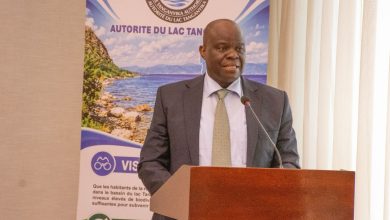
Presenting the 2026/27 budget in the National Assembly, Minister of State in the VicePresident’s Office (Union and Environment), Engineer Hamad Masauni, outlined programmes aimed at protecting natural resources, strengthening climate resilience and supporting sustainable development.
The minister told the House that environmental conservation and climate resilience form one of the three strategic pillars of Dira 2050, reflecting growing recognition that sustainable development and environmental stewardship must advance together.
The priorities outlined in the budget mirror those set out in Dira 2050, where environmental integrity and climate resilience are identified as essential foundations of Tanzania’s future development.
The blueprint envisages a future in which biodiversity, water resources, wetlands and ecosystems are managed sustainably, while communities, institutions and economic sectors become better equipped to cope with the growing impacts of climate change.
The growing emphasis on environmental sustainability reflects a broader evolution in development thinking.
Natural resources are no longer viewed solely as assets to be protected. Increasingly, they are recognised as part of the foundation on which economic growth, food security, energy production and public wellbeing depend.
The links are evident across much of Tanzania’s economy. Agriculture relies on reliable rainfall, healthy soils and sustainable water resources.
Tourism depends on wildlife, landscapes and ecosystems that attract visitors from around the world.
Hydropower generation is influenced by water availability, while fisheries depend on the health of lakes, rivers and marine environments. Rapid urbanisation is adding another dimension to the challenge.
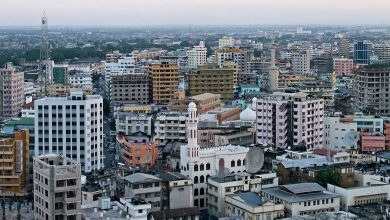
As cities expand, the demand for clean water, effective waste management and resilience to floods, droughts and pollution continues to grow.
As climate-related shocks become more frequent across the world, governments are increasingly recognising that environmental degradation can slow economic progress and undermine development gains.
Dira 2050 acknowledges those risks. The document notes that climate change, environmental degradation, demographic shifts and rapid urbanisation are among the major challenges likely to shape Tanzania’s development trajectory in the coming decades.
At the same time, it identifies opportunities for the country to embrace green technologies, strengthen climate resilience and build new competitive industries around sustainable development.
Against this backdrop, the government is seeking to integrate environmental considerations into broader economic planning.
According to Eng Masauni, the Vice-President’s Office has already aligned its programmes with Dira 2050, the Fourth Five-Year Development Plan (2026/27-2030/31), the National Environmental Policy of 2021 and the National Blue Economy Policy of 2024.
ALSO READ: Balanced investment key to Tanzania’s economic growth
The goal is to ensure that environmental sustainability becomes part of mainstream development planning rather than a separate policy agenda. One area receiving increased attention is climate adaptation.
Across Tanzania, changing rainfall patterns, prolonged dry spells and extreme weather events are affecting communities, agriculture, water resources and ecosystems.
Building resilience is therefore becoming a critical development priority. During the current financial year, the government coordinated financing for five climate and environmental resilience projects worth approximately 102.3bn/-.
The projects include restoration of the Wami-Ruvu Basin ecosystem, climate-smart agriculture initiatives in the Southern Highlands and Zanzibar and biodiversity conservation programmes in western Tanzania.
Officials say these projects are intended to strengthen resilience against climate shocks while supporting sustainable land and water management. Environmental safeguards are also being integrated into major investment projects.
During the year, Tanzania approved six Strategic Environmental Assessments linked to large infrastructure and investment initiatives, including projects in aquaculture, urban development and special economic zones.
The assessments are designed to ensure that environmental considerations are incorporated before implementation begins.
The approach aligns closely with Dira 2050’s emphasis on sustainable development and responsible resource management.
The vision aspires to position Tanzania among the leading countries in Africa in environmental performance and climate adaptation while ensuring natural resources continue supporting future generations.
Tree planting and ecosystem restoration have emerged as major components of that strategy.
The government says implementation of the national campaign requiring every council to plant 1.5 million trees annually has continued to expand, with approximately 76 per cent survival of planted trees recorded by March 2026. Looking ahead, ambitions are even larger.
Under the Strategic Transformation Programme for Sustainable Environment Management, Tanzania plans to mobilise communities and institutions to plant and maintain two billion trees annually while restoring one million hectares of degraded land every year.
The programme also seeks to expand clean cooking energy and promote carbon trading initiatives. These efforts are intended not only to improve environmental conditions but also to create new economic opportunities.
Carbon trading is emerging as one such opportunity. The National Carbon Monitoring Centre, established through amendments to the Environmental Management Act in 2025, is responsible for coordinating greenhouse gas monitoring and carbon trading systems.
By March 2026, the centre had registered 99 carbon trading projects across different sectors, including 22 approved during the current financial year.
Government officials believe carbon markets could attract climate finance, support conservation efforts and generate new investment opportunities.
The centre is expected to establish a digital carbon registry and strengthen verification systems during 2026/27 to improve transparency and facilitate investment.
The blue economy is another area receiving increased attention under Dira 2050.
Tanzania’s extensive coastline, lakes, rivers and marine resources provide significant opportunities for economic growth, trade, fisheries, tourism and transport.
Recognising this potential, the government established a Blue Economy Development and Coordination Unit within the Vice-President’s Office during the current financial year.
It has also begun preparing a Sustainable Water Use Plan aimed at improving management of marine and freshwater resources while supporting investment and reducing conflicts over resource use.
Officials say the strategy could help expand production, create employment opportunities, strengthen food security and increase the contribution of waterbased industries to the economy.
The emphasis on the blue economy reflects a broader feature of Vision 2050: Leveraging Tanzania’s natural advantages to create new sources of growth.
The document identifies strategic regional engagement, integrated logistics and sustainable resource utilisation among the drivers expected to support economic transformation.
Tanzania’s geographic location, extensive coastline and natural resource base provide opportunities that policymakers hope to harness more effectively over the coming decades. International engagement is also becoming increasingly important.
Tanzania participated in COP30 in Belem, Brazil, in November 2025, where it chaired the African Group of Negotiators through Vice-President’s Office Permanent Secretary Richard Muyungi.
According to government figures, the summit helped secure pledges worth more than 868 million US dollars and 500,000 euros for projects related to climate resilience, clean cooking energy, waste management and biodiversity conservation.
The country also participated in the Seventh United Nations Environment Assembly in Nairobi, where member states adopted resolutions covering biodiversity conservation, coral reef protection and environmental applications of artificial intelligence technologies.
Masauni was elected Vice-President of the Eighth United Nations Environment Assembly, further raising Tanzania’s profile in international environmental diplomacy. Back home, environmental enforcement remains an important part of the agenda.
By March 2026, the National Environment Management Council had inspected 3,408 projects, including factories, mines, hotels, oil and gas facilities and waste disposal sites.
Authorities also processed hundreds of hazardous waste permit applications and seized 60 tonnes of prohibited plastic bags as part of efforts to strengthen compliance with environmental regulations.
Public awareness campaigns have also expanded through newspapers, television, radio and social media platforms, reflecting recognition that environmental protection requires participation beyond government institutions.
Vision 2050 places strong emphasis on citizen participation, social responsibility and stewardship of natural resources.
The document describes Tanzania’s natural wealth as an asset that must be preserved and utilised sustainably for the benefit of current and future generations.
For Tanzania, the challenge is not choosing between development and environmental protection. The challenge is ensuring that both advance together.
The economy envisioned under Dira 2050 will require new industries, expanded infrastructure, growing cities and rising investment.
It will also require healthy ecosystems, sustainable natural resource management and stronger resilience to climate change. That balance is increasingly shaping government policy.
As implementation of Dira 2050 gathers pace, environmental sustainability is emerging not as a supporting agenda but as an important component of the country’s long-term development strategy.
The objective is clear: To ensure that the economic growth, industrialisation and investment expansion envisioned for the next quarter century are pursued in a way that protects natural resources, strengthens climate resilience and secures prosperity for future generations.