When strong women vow, break in silence
MAINTAINING good health is essential for a balanced and fulfilling life. It enables individuals to remain active, productive and fully engaged in daily responsibilities and opportunities.
When the body is properly cared for, it forms a strong foundation for overall wellbeing. Good health is built on simple but essential habits such as adequate rest, regular movement and allowing the body time to recover from daily demands.
These practices support physical strength and resilience, making it easier to navigate everyday challenges. However, health extends beyond the physical. In today’s fast-paced environment, many people operate under constant pressure, often neglecting their mental and emotional wellbeing. While individuals may appear physically healthy, they may still experience internal strain that affects their overall quality of life.
Access to information through digital platforms has made it easier to learn about healthy living. Despite this, there remains a growing need for awareness of how stress, overwhelm, and emotional burnout impact the body just as much as physical exhaustion.
These internal pressures can manifest in ways that affect both mental clarity and physical health. True wellbeing lies in understanding the connection between the mind and body. When individuals pay attention to their emotional state and internal experiences, they are better equipped to respond to life in a balanced and grounded manner. Ignoring these aspects can lead to ongoing stress and disconnection.
Simple practices such as resting, slowing down, and taking intentional pauses play a vital role in overall health. These actions not only support physical recovery but also help regulate the nervous system and restore a sense of calm. In a world that often priorities constant activity, learning to pause becomes an essential skill. Creating space for both physical and emotional restoration is key to maintaining wellbeing.
Whether it involves stepping away from a busy schedule, taking a mindful walk, or embracing moments of stillness, these small actions can significantly improve health.
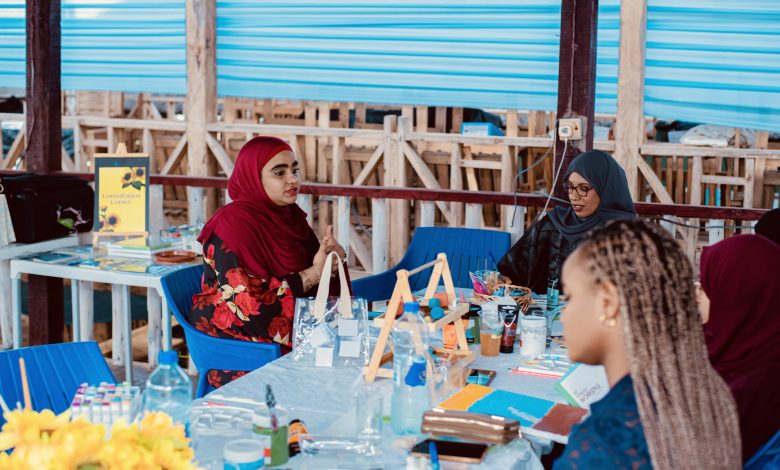
They help individuals feel more aligned and connected within themselves. Recognising this need, EmotioNect recently hosted a Safe Space Art Therapy Workshop in Dar es Salaam, combined with a personal development circle.
The session was intentionally designed to help women slow down, regulate their nervous systems and reconnect with themselves. Speaking during the event, Mental Health Counsellor, Corporate Mental-Emotional Wellbeing Facilitator and Founder of EmotioNect, Ms Tasneem Al Farsy, emphasised that health is not limited to the physical but also includes emotional and mental dimensions.
“Taking care of your inner world is just as important as taking care of your body,” she said. “Give yourself permission to slow down, feel your emotions, and seek safe spaces that support your wellbeing. Healing does not always have to be loud or visible it can be soft and intentional. Mental health is part of our overall health.” The workshop guided participants through discussions on emotional safety, selfawareness, and the effects of living in survival mode.
Many individuals, particularly women, often operate in a constant state of pressure, which can lead to emotional exhaustion and disconnection. Following the discussions, participants engaged in a calming guided art therapy session. This allowed them to express emotions non-verbally in a safe and supportive environment.
The experience focused not only on understanding emotional safety but also on feeling it. According to Ms Al Farsy, the response from participants was highly positive. Women attended with openness and vulnerability, allowing the space to become authentic and healing. Many moved from initial hesitation to deeper emotional expression.
Some participants used the session to reflect, others to release stored emotions, while some simply allowed themselves to pause. This act of pausing, she noted, is something many women rarely permit themselves in their daily lives.
The response highlighted a clear need for safe and guided spaces where individuals can explore their emotional wellbeing. It showed that emotional challenges are not isolated but widely experienced, regardless of background or profession.
At EmotioNect, efforts are being made to expand and deepen these sessions. The organisation is focusing on helping women not only understand themselves but also learn how to regulate their emotions, process experiences, and feel safe in their daily lives. Each session addresses real and relatable challenges such as stress, overwhelm, emotional burnout, and inner disconnection.
Participants are also provided with practical tools they can apply beyond the sessions, ensuring lasting impact. Looking ahead, EmotioNect is preparing for an upcoming event titled “The Overwhelmed Mother’s Reset,” scheduled for May. The event is designed as a dedicated space for mothers to pause, release stress, and reconnect with themselves.
The initiative aims to help participants move out of survival mode into a more regulated and emotionally grounded state. The goal remains consistent: to support individuals in restoring balance and inner wellbeing. Ms Al Farsy explained the importance of emotional release, self-awareness, and nervous system regulation in maintaining overall health.
ALSO READ: EAC fine-tunes the East Africanism for regional cohesion, integration, unity
Emotional release allows the body to let go of stored tension, while self-awareness helps individuals recognise their behavioural and emotional patterns. Nervous system regulation, she noted, is essential for creating a sense of safety within the body. Without it, individuals may remain stuck in cycles of anxiety, burnout, or emotional disconnection. These cycles can affect both mental and physical health over time.
Achieving complete wellbeing requires a balanced approach that integrates physical, emotional, and mental health. Focusing on one aspect while neglecting others can limit overall wellness. For instance, physical fitness alone is insufficient if emotional stress remains unaddressed.
Similarly, mental awareness without addressing physical stress responses may not lead to full recovery. Balance among these elements is necessary for sustainable health and wellbeing.
Ms Al Farsy emphasised the importance of intentionally creating space for rest, reflection, emotional processing, and nervous system care. These practices should exist alongside movement, proper nutrition and daily structure. This holistic approach forms the foundation of EmotioNect’s work. The aim is to support individuals in moving beyond simply functioning to truly feeling aligned and well.
The Safe Space Art Therapy Workshop attracted a diverse group of women, including entrepreneurs, teachers, doctors, corporate professionals, students and beginners. Despite their different backgrounds, participants shared a common need to slow down and reconnect with themselves.
The workshop demon strated that emotional overwhelm and the need for nervous system regulation affect people across all lifestyles. It reinforced the idea that mental and emotional health challenges are widespread and require attention.
One of the most significant observations was the strong desire among women for safe and intentional spaces. Participants expressed a need for environments where they could simply exist without pressure or judgment. The session reaffirmed EmotioNect’s vision of creating accessible, gentle and authentic spaces for emotional healing.
It highlighted the importance of building supportive communities where individuals can feel safe to explore their inner experiences. As awareness of mental and emotional wellbeing continues to grow, such initiatives play an important role in promoting healthier lifestyles. They encourage individuals to prioritise not only physical health but also emotional and mental balance.
Ultimately, achieving good health requires a comprehensive approach. It involves caring for the body, understanding the mind, and nurturing emotional wellbeing. By integrating these elements, individuals can lead more balanced, fulfilling and meaningful lives.
The work being done by EmotioNect represents a step toward this goal. By creating spaces for reflection, connection and healing, it is helping individuals move toward a state of alignment and overall wellbeing. As Ms Al Farsy concluded, the journey toward health is not about perfection but about creating space to pause, reconnect and return to oneself.