TZ to chair Nairobi Convention COP Bureau for two years

MADAGASCAR: TANZANIA has been elected Chair of the Nairobi Convention (Nairobi Convention-COP Bureau), an honour received after a resounding election during the 11th meeting held this week in Antananarivo, Madagascar.
Tanzania has taken over the chairmanship from Madagascar, and will serve the position for two years until 2026.
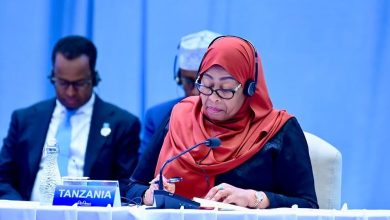
During the 11th COP meeting held from August 20 to 22 this year, Dr Ashatu Kijaji, Minister of State in Vice President’s Office (Union and Environment), accepted the role on behalf of the Tanzanian government and pledged to continue fostering cooperation with Nairobi Convention member states in promoting, managing and preserving the marine environment of the Western Indian Ocean region.
ALSO READ: Tanzania hosts key radar meteorology training
Dr Kijaji demonstrated Tanzania’s commitment to strengthening international collaboration in marine environmental conservation. Tanzania’s role as Chair of the Nairobi Convention’s Executive Committee includes overseeing the implementation of the convention, making various decisions required for the Nairobi Convention Secretariat and chairing all meetings involving member states of the Nairobi Convention.
The COP is a meeting of Nairobi Convention member states that takes place every two years and Tanzania will host the 12th meeting (COP 12) in 2026. Decisions on the location of the meeting within the country will be made in the future.
The Nairobi Convention was established under the United Nations Environment Programme (UNEP) and aims to address issues such as pollution, environmental degradation and sustainable use of marine resources.
At the COP meeting, member states and stakeholders gather to review progress, discuss emerging challenges and make decisions on strategies and actions for the conservation and sustainable management of coastal and marine environments in the Indian Ocean.
Nairobi Convention member states include Kenya, Tanzania, Mozambique, Comoros, Madagascar, Seychelles, Somalia and South Sudan, with each member country contributing to strategies for marine and coastal environmental conservation in collaboration with other regional countries.